
 EN
EN
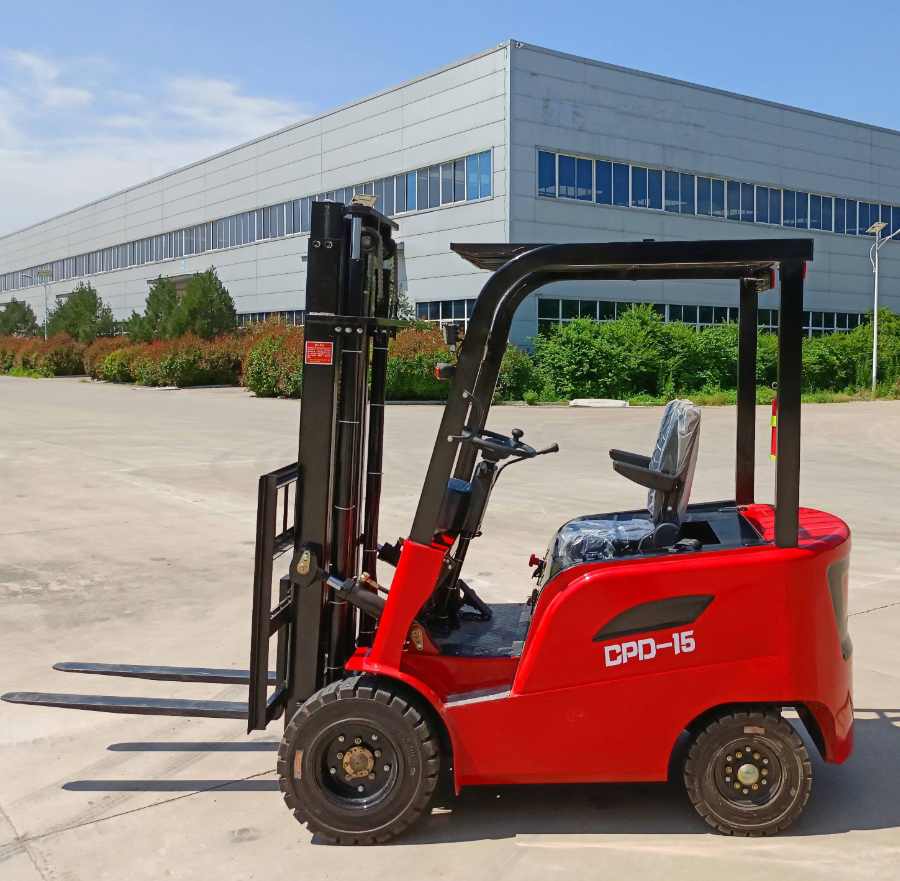
We Didn’t Go Electric for the Label. We Did It Because Diesel Was Killing Our Productivity.
Two years ago, we ran a 120,000-sq-ft cold storage warehouse with 14 diesel forklifts.
Shifts were 10 hours. Ventilation? Minimal – because keeping cold air in means keeping fresh air out.
Within 90 minutes of a shift, our CO monitor would start beeping. Not because the equipment was broken – because we were flirting with 45–50 ppm CO, just under OSHA’s 50‑ppm action limit. Operators complained of headaches. Turnover in that department ran 38% annually.
We switched the first 6 units to lithium‑ion electric forklifts in early 2024.
Here’s what actually happened – not what the brochures promise.
The Real On‑Site Difference (Beyond “Zero Tailpipe”)
No more “fume naps.”
Our operators used to step outside for air every 2 hours. Now they don’t. We measured IAQ continuously – CO dropped to 0–2 ppm across all shifts. NOₓ and PM2.5 became undetectable with our handheld meter.
No more “cold‑start drama.”
Diesel units in our –10°F freezer needed glow plugs and 15‑minute warm‑ups. Electric motors start instantly at low temperatures – but here’s the catch: battery runtime drops about 18–22% below freezing. We solved it by rotating batteries and using onboard heaters (powered by the battery itself) during lunch breaks. That’s a real‑world trade‑off you don’t read in spec sheets.
Maintenance went from weekly to monthly.
We used to change oil, fuel filters, and air filters every 250 hours on diesel. Electric? Brake pads (because regenerative braking extends them 2×) and tire wear. That’s it. Our maintenance lead, Jose, said: “I finally have time to actually inspect things instead of just swapping fluids.”
The Numbers That Matter to Us – Not Just ESG Boxes
| Metric | Diesel (14 trucks) | Electric (6 retrofitted) |
|---|---|---|
| Daily fuel/energy cost | $380 (diesel) | $72 (off‑peak charging) |
| Operator sick days (monthly avg) | 4.2 | 1.1 |
| Ventilation runtime (HVAC) | 18 hrs/day | 6 hrs/day (we cut back) |
| Noise at operator’s ear | 88 dB | 63 dB – we now use radios instead of hand signals |
We didn’t eliminate ventilation entirely – but we reduced makeup air demand, which saved ~$2,100/month in cooling costs during summer.
The Honest Truth About “Zero Emissions”
Yes, the forklift itself emits nothing on‑site.
But we charge from the grid, and our local utility is 42% natural gas. So lifecycle CO₂ is not zero.
Using NREL’s 2023 lifecycle calculator, we estimated a 54% net GHG reduction per truck – not 100%. But for indoor air quality, the improvement is 100% – because PM and NOₓ simply don’t exist at the tailpipe. That’s a health win you cannot replace with carbon offsets.
We also learned that California AB 2242 isn’t just for government projects – our contractor clients now ask for our electric fleet as a qualification to bid on public school jobs. That’s real revenue impact.
What We’d Tell a Colleague Considering Electric
-
Don’t skip the cold‑weather test. Run a unit in your coldest zone for a full shift before committing.
-
Oversize chargers by 20% – otherwise, multi‑shift operations stall.
-
Train operators on regenerative braking – it feels different, and if they coast too much, you lose the energy capture benefit.
-
Keep one diesel as backup – not for ideology, but for the week your utility does grid maintenance and you can’t fast‑charge all units.
Our Verdict (After 18 Months)
Electric forklifts are not a silver bullet. They require different charging infrastructure, battery management, and operator habits. But for indoor, confined, or food‑grade environments, they are the only defensible choice – not because of ESG pressure, but because our people breathe easier, stay longer, and file fewer comp claims.
And yes – we’re retrofitting the remaining 8 diesels this quarter.