
 EN
EN
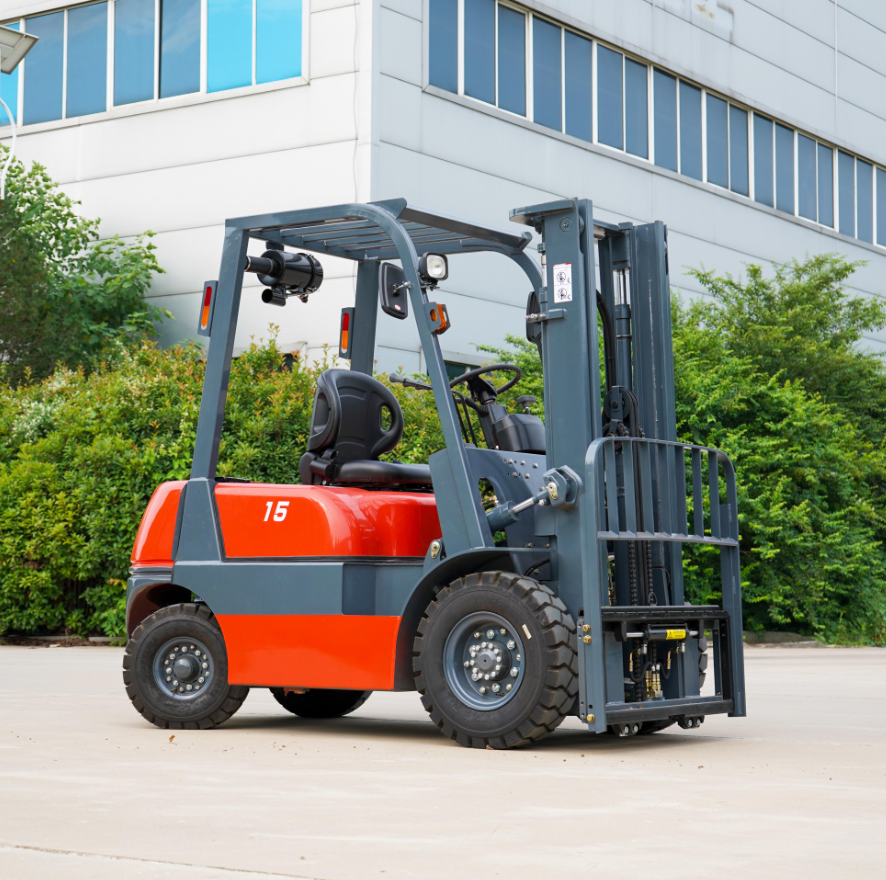
We Bought the Wrong Forklift Twice—Here’s What We Finally Learned
I’ve been managing warehouse operations for close to 15 years, and I’ll be honest—we made some expensive mistakes with material handling equipment. The first mini forklift we bought couldn’t handle our freezer aisles. The second one had great specs on paper but broke down twice a month because the hydraulic seals weren’t rated for constant condensation.
That’s why I’m picky now.
Take our 100,000-square-foot facility in Ohio. We switched to narrow-aisle racking with a compact mini forklift that turns in just 8 feet. That gave us back about 14,000 square feet of floor space—enough to add two full rows of push-back racking. Annual storage cost savings? Roughly $180,000, based on local industrial real estate rates. We didn’t expand the building. We just stopped wasting aisle width.
But the real game-changer was in our cold storage zone. We run frozen goods at –18°C, and our old lead-acid units could barely last six hours. We moved to lithium-ion mini forklifts with active battery thermal management—they pre-heat the pack during charging to keep it above 5°C. Now we get consistent 8-hour shifts even in deep freeze. A 2023 report from the Cold Chain Federation (UK) noted that 40% of unplanned downtime in frozen warehouses comes from battery failure. We haven't had a single battery-related stoppage in nine months.
One client story sticks with me. A third-party logistics provider in Texas kept failing FDA spot checks because their forklifts were leaking hydraulic fluid near food-grade packaging. We supplied a stainless-steel-clad mini forklift with IP69K washdown rating—fully sealed motors, sloped surfaces, no place for bacteria to hide. Their next audit passed with zero findings. That’s not marketing. That’s the maintenance supervisor calling me to say “thank you” at 10 PM on a Friday.
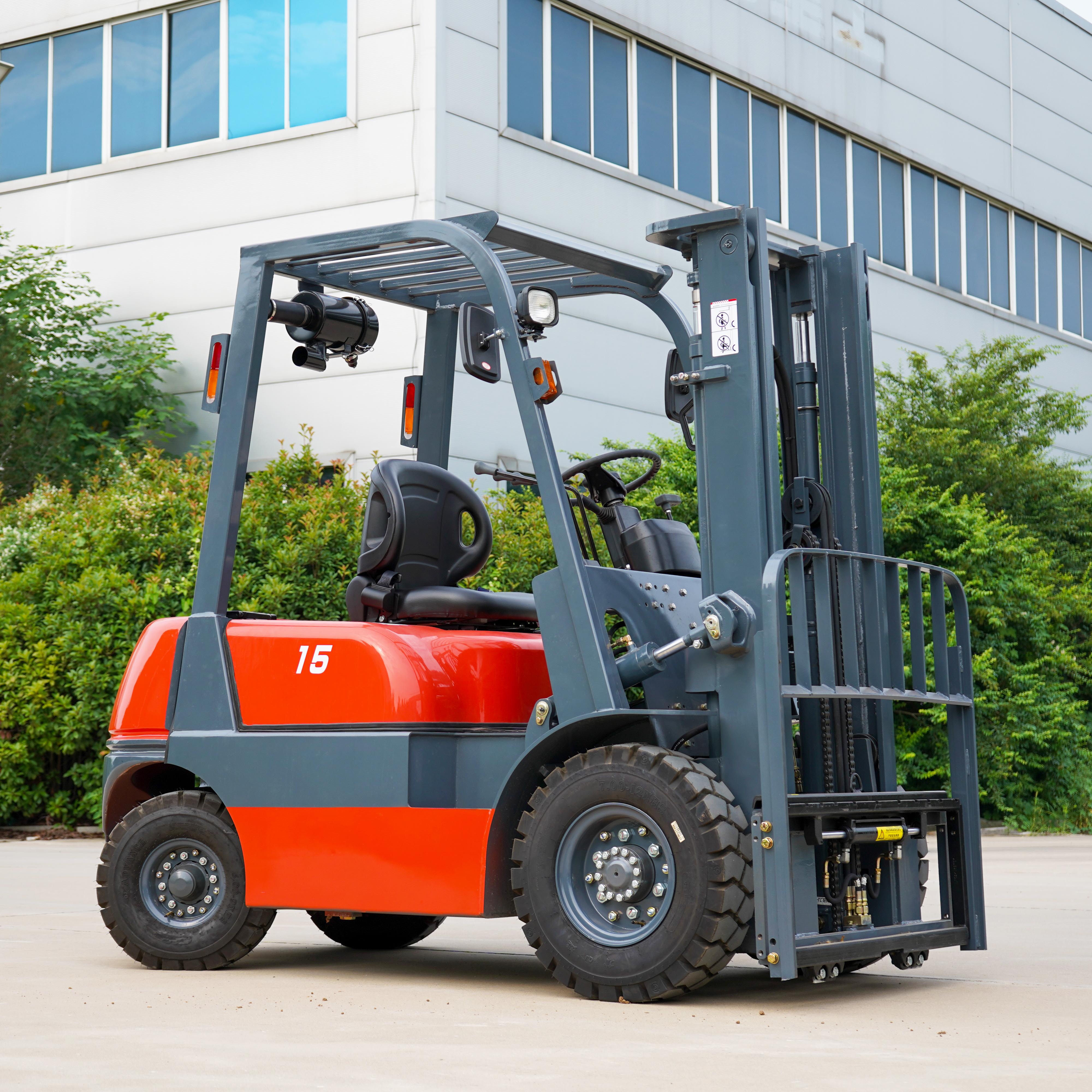
We also run these units alongside our AMRs in the assembly area. The mini forklift doesn't need dedicated paths—it shuttles between CNC machines and staging zones without reprogramming. When our ERP sends a production order, the forklift operator gets the task on a tablet within seconds. Changeover time dropped from 45 minutes to under 12.
I'm not saying every warehouse needs a mini forklift. But if you're still running wide-aisle layouts or struggling with freezer downtime, I’d be happy to walk you through what worked—and what didn’t—for us. Because the spec sheet never tells you about the seals.