
 EN
EN
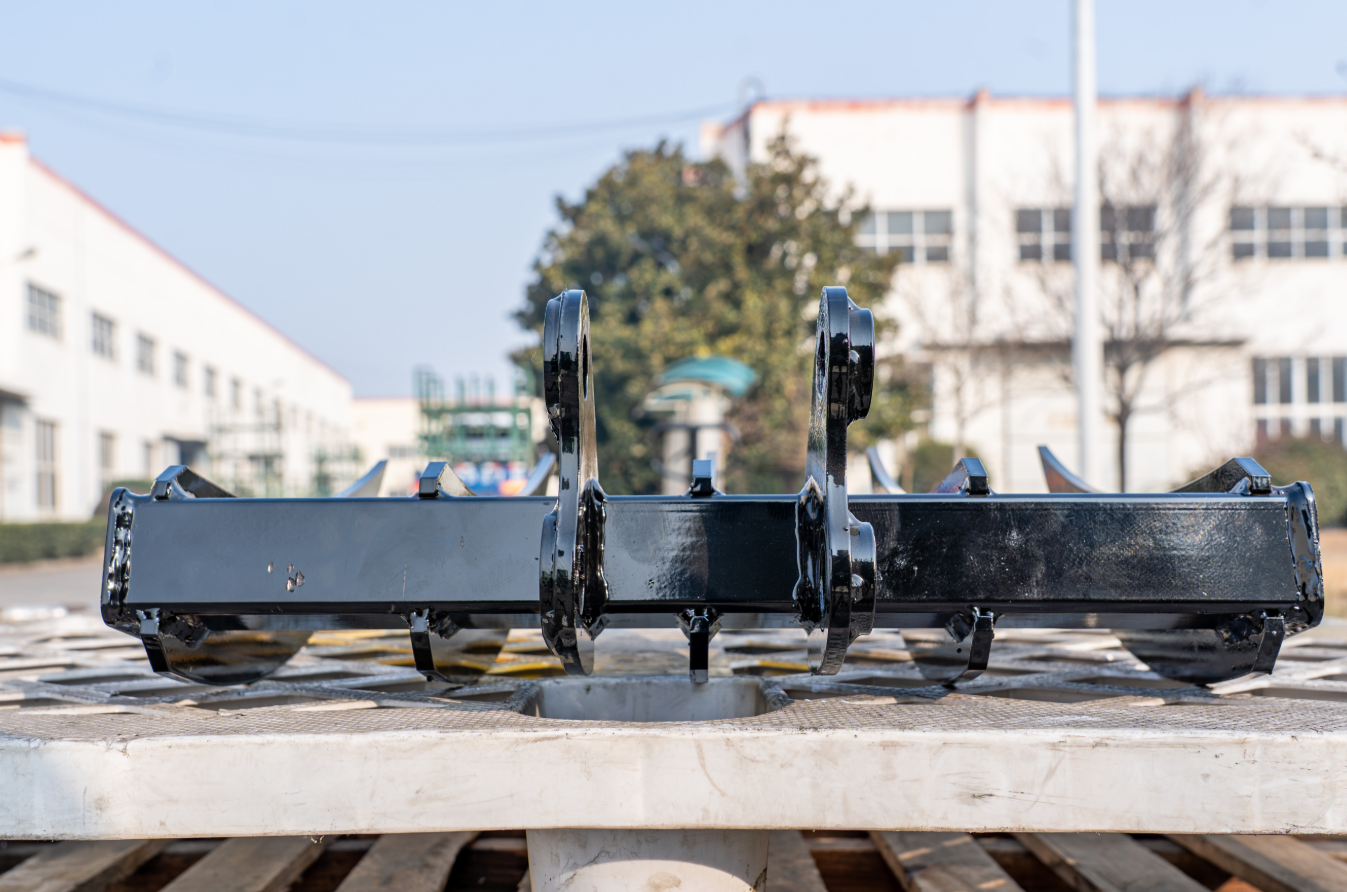
We Beat on Both. Here’s What We Learned.
If you run a mini skid steer, you already know: the attachment takes the beating, not the machine. And the difference between a bucket that lasts two seasons and one that dies in six months usually comes down to one thing – the steel.
We’ve built, repaired, and wrecked enough attachments to stop chasing the hardest number on a spec sheet. Here’s the real-world breakdown.
Hardness Numbers Don’t Tell You Everything
AR400 runs 360–440 BHN. AR500 runs 470–540 BHN.
On paper, AR500 wins. In practice, it’s more complicated.
We had a set of AR500 grader edges on a landscaping job in rocky clay. Third day in, a hidden cobble caught the corner – chipped right through. AR400 would’ve dented, not cracked. That’s the trade-off:
-
AR500 = better wear in clean abrasion (sand, gravel, light dirt)
-
AR400 = better survival in impact (rock, frozen ground, demolition debris)
For most mini skid work – grading, snow, light demo – AR400 is the safer bet. It bends before it breaks.
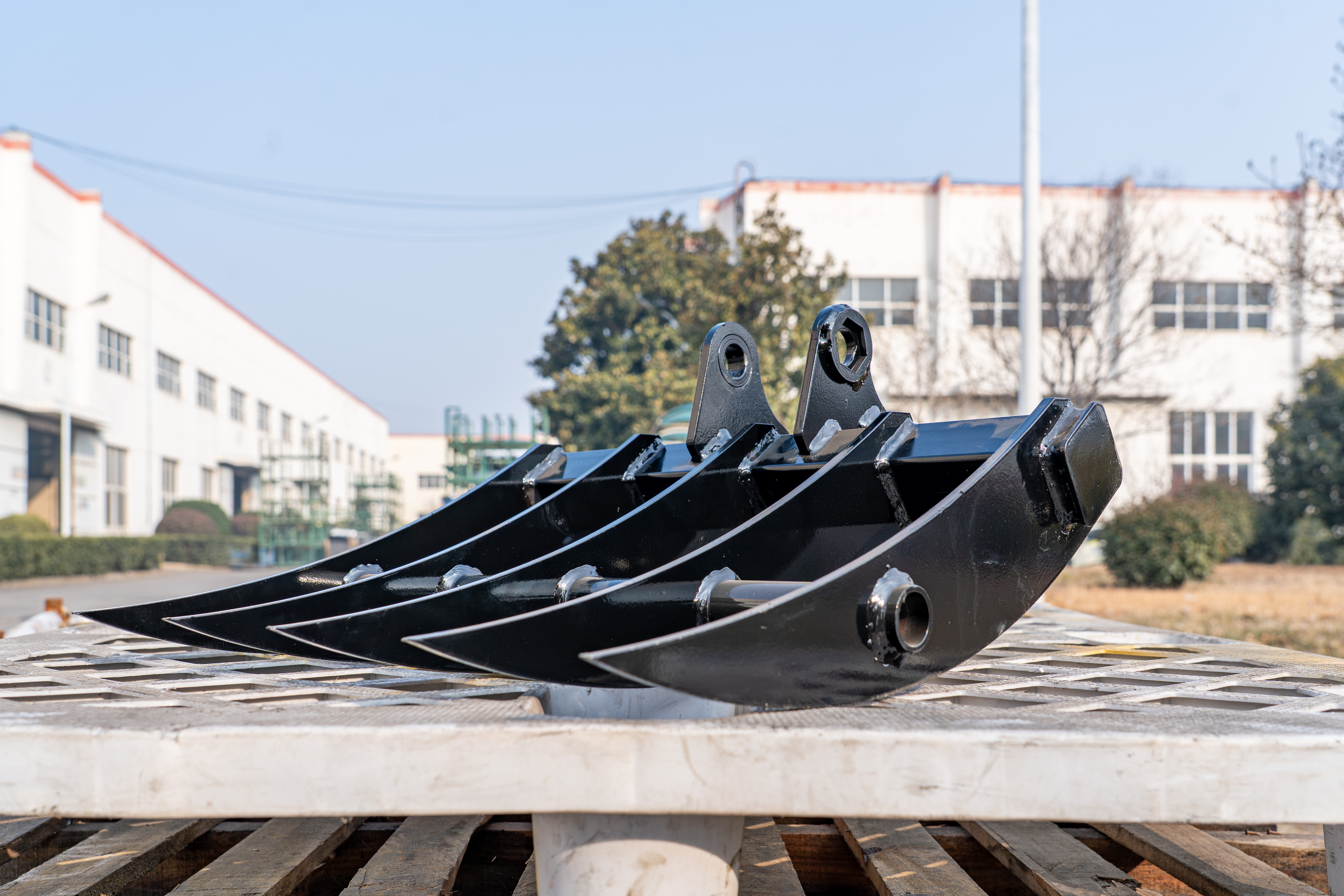
Fabrication Reality: AR400 Saves You Shop Time
Cutting and welding AR500 is a pain. It fights the plasma, cracks if you don’t preheat perfectly, and warps faster.
AR400? We cut it with standard tools, weld it with normal wire, and move on.
One of our guys fabricated a set of bolt-on wear strips in under two hours using AR400. Same job with AR500 took almost four, plus a post-heat soak. For a small shop, that time adds up fast.
Two Strategies That Actually Extend Life
1. Bolt-On Edges – Cheap Insurance
We switched every bucket we could to bolt-on AR400 edges. When the edge rounds off, swap it in 15 minutes. No torch, no grinder, no downtime.
AEM’s 2023 field study backs it up: bolt-on edges cut downtime by 40%. We’ve seen that number firsthand – especially on rental fleets where attachments get abused daily.
2. Hardfacing – Only Where It Hurts
We hardface bucket corners and grapple tips – not the whole thing. Chromium carbide overlay, applied in a single pass, extends those high-wear spots by 2–5x.
AWS guidelines confirm it, but honestly, we just count the hours between weld repairs. It works.
The Real Cost Question
Yes, AR400 attachments cost 15–25% more upfront than A36 mild steel.
But we tracked one 74-hour/week contractor: he swapped mild steel edges every 6 weeks. AR400? Every 14–16 weeks. That’s 3x the life, less downtime, and fewer late-night emergency welds.
Payback came in under 10 months.
When We Don’t Recommend AR400 (or AR500)
-
If you’re only moving light mulch or snow – stick with A36. AR is overkill.
-
If you weld without preheat or post-heat – AR500 will crack. No debate.
Final Take
AR400 is our default for 80% of mini skid steer attachments. AR500 has its place – mostly high-wear, low-impact applications like conveyor cleanout or fine screening – but for daily dirt work, AR400 wins on cost, survivability, and shop sanity.