
 EN
EN
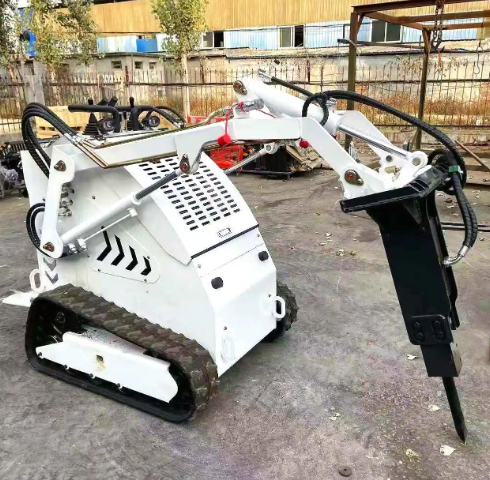
The question of whether a wheel skid loader passes terrain better than a tracked type does not have a single yes — passability depends on the ground, not the badge. Wheels win on firm, smooth surfaces where speed and low upkeep matter; tracks win on mud, sand, and slopes where flotation and grip decide whether the machine moves at all. Reading the site ahead of the purchase answers the question more honestly than a spec comparison.
A Site That Tested Both Undercarriages
The Background — Mixed Ground in One Season
A landscaping contractor worked spring mud, summer paving, and autumn leaf cleanup across varied properties, so no two weeks shared the same surface. The crew needed a skid loader that could leave the yard clean on hardscape yet still climb a soggy backyard without sinking. One undercarriage could not do both well through the full season.
The Problem — One Machine Stuck on Part of the Job
The wheeled unit flew across driveways and parking lots but spun and rutted the moment it left paved ground for a wet lawn. The tracked unit the crew later tried gripped the mud yet crawled on asphalt and left marks the client disliked. Each build excelled on half the work and struggled on the other, splitting the season into good and bad days.
The Solution — Matching Undercarriage to Terrain
The contractor kept wheels for hardscape-heavy contracts and added a tracked unit for soft-ground and slope jobs, assigning each to the surfaces it handled most reliably. They logged fuel, speed, and cleanup time per surface, then routed machines by ground type instead of convenience. The right tool met each site instead of fighting the half it disliked.
The Effect — Each Surface Covered Well
Hardscape jobs finished faster with wheels and needed no lawn repair, while tracked days crossed mud and sidehills without sinkage or slip. Cleanup cost dropped because the machine stopped damaging the very ground it worked. Total output rose not from a faster single unit but from sending the correct build to each terrain.
Where Passability Actually Breaks Down
Soft Ground Swallows Wheeled Units
On wet soil, sand, or fresh fill, a wheeled loader concentrates its weight on four narrow contact patches, so it sinks and spins instead of advancing. The operator then spends time recovering rather than working, and the ruts require repair that erases the day's gain. Passability fails exactly where the job often starts — at the unpaved edge of the property. A skid loader on wheels that sinks at the gate wastes the first hour recovering instead of working.
Hard Ground Penalizes Tracks
On asphalt and concrete, a tracked machine drags rubber or steel over a surface it cannot grip the way wheels do, so it moves slower and can mark finishes. The same flotation that helps in mud becomes drag on pavement, raising fuel use and cycle time. A track build shines off-road and merely tolerates the hard ground it must cross to get there. A skid loader on tracks also travels between sites on a trailer, avoiding the pavement it would otherwise mark.
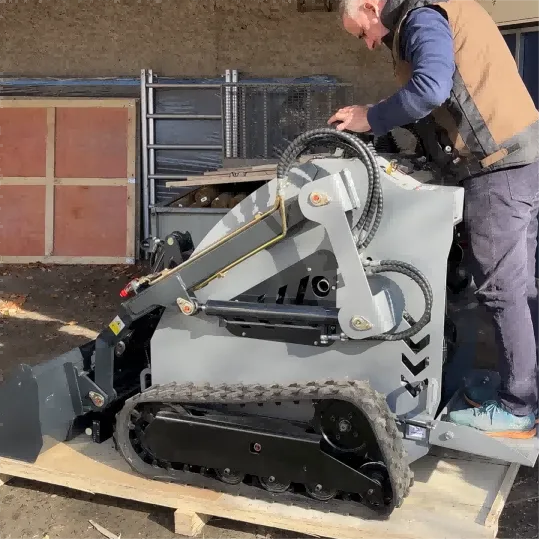
How Wheel and Track Behaviors Differ
Ground Pressure Decides Flotation
A tracked undercarriage spreads machine weight across a long, wide footprint, dropping ground pressure low enough to float over soft soil without sinking. Wheels concentrate load and need firmer ground to stay on top. When the question is "will it cross the wet field," pressure — not horsepower — decides, and tracks win that test by design.
Speed and Maintenance Follow the Build
Wheels roll faster on hard ground and need only tire checks and greasing, keeping downtime and cost low. Tracks add drive lugs, rollers, and tension systems that wear and need adjustment, raising upkeep. The speed and simplicity of wheels suit high-mileage hardscape work, while track maintenance is the price paid for terrain that wheels cannot cross. A skid loader chosen for the dominant surface keeps both speed and upkeep where the owner actually works.
Slope and Sidehill Grip Vary
Tracked machines hold sidehills and climbs better because the long footprint resists rollback and the lug pattern bites the grade. Wheeled units can slip on wet grass or loose fill where the contact patch loses purchase. On properties with grades and embankments, the grip difference often decides which machine reaches the work safely without a recovery winch. A skid loader that slips on a sidehill turns a simple cut into a rescue call no one planned.
Standards and a Selection Checklist
Compliance for Both Types
Both wheel and track variants follow ISO 20474 for earth-moving machinery safety and ISO 12100 for risk reduction, with CE marking required in Europe. In the United States, OSHA 29 CFR 1926 governs safe operation, and ANSI/SAE standards inform stability and control design. A documented conformity shows the build was assessed for the loads and terrains it will actually meet.
Inspect and Maintain the Chosen Undercarriage
For wheels, check pressure, sidewall damage, and lug depth daily, and grease hubs on schedule. For tracks, inspect lug wear, roller play, and tension each shift, and clear packed debris that accelerates wear. Confirm total width and ground clearance against the real gates and grades before buying, and train operators on the specific handling differences so the right machine is sent to the right ground.
A wheel skid loader does not universally beat a tracked type on passability — wheels lead on firm, fast surfaces, while tracks lead on soft ground, slopes, and flotation. Ground the choice in ISO 20474 and OSHA 1926 practice, and match the undercarriage to the terrain that pays the bills.
Frequently Asked Questions
Question
Is a wheel skid loader better than tracked for passability? Not universally. Wheels pass firm, smooth ground faster with less upkeep, while tracks float over mud, sand, and slopes where wheels sink and spin. The better passability follows the terrain, so the right choice depends on the surfaces the machine meets most.
Question
When do tracks beat wheels off-road? Tracks win on wet soil, fresh fill, sand, and sidehills because the long footprint spreads weight and the lug pattern grips the grade. Wheels concentrate load and slip where the contact patch loses purchase, so tracks reach work that would stop a wheeled unit.
Question
Do tracks damage paved surfaces? Steel tracks mark and can scar asphalt or pavers, and even rubber tracks can leave scuffs under hard turning. Wheels are gentler on hardscape and faster across it, so tracked machines are routed around finished surfaces rather than across them when possible, protecting the client's finished surfaces.
Question
Which undercarriage costs less to maintain? Wheels need only tire checks and greasing, keeping downtime and cost low, while tracks add rollers, lugs, and tension systems that wear and need adjustment. The track's terrain advantage comes with higher upkeep, which is the trade for ground it can cross that wheels cannot.
Question
What standards apply to these machines? ISO 20474 and ISO 12100 cover earth-moving safety and risk reduction, with CE marking required in Europe and OSHA 29 CFR 1926 governing U.S. use. ANSI/SAE informs stability design, and documented conformity shows the build was assessed for real loads, which both wheel and track variants must meet.
Question
How should I inspect the undercarriage? For wheels, check pressure, sidewall, and lug depth daily and grease hubs on schedule. For tracks, inspect lug wear, roller play, and tension each shift and clear packed debris. Confirm width and clearance against real gates and grades before buying, and train on handling differences.