
 EN
EN
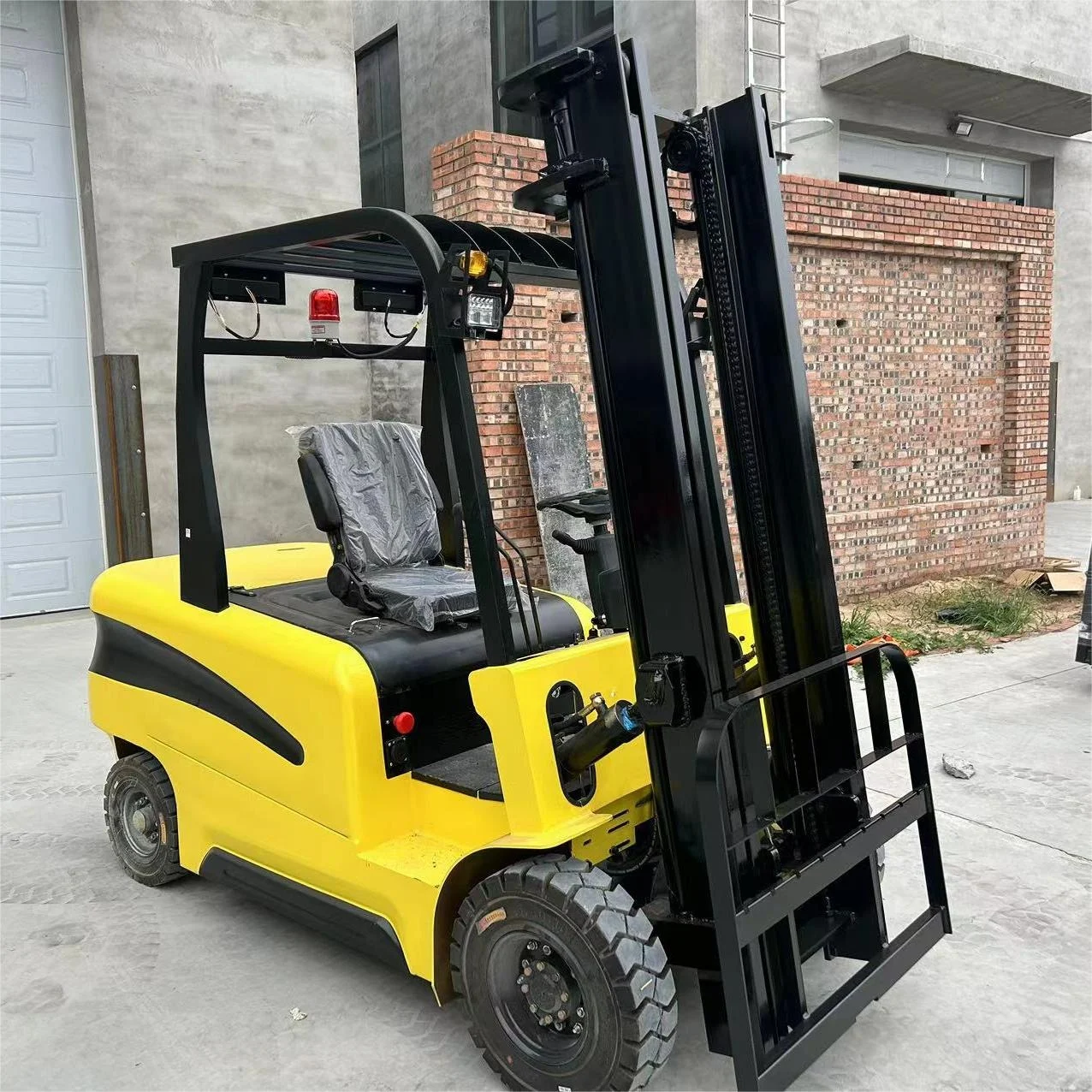
The debate over whether an electric forklift beats a diesel unit on cost usually starts with the purchase price and stops too early. Over a multi-year horizon, the answer depends on where the truck runs, how many shifts it covers, and what the energy and service bills do across that span. In most indoor and high-cycle operations, electric comes out ahead; in rough, open-air, intermittent duty, diesel can still defend its place.
A Fleet That Ran the Numbers Over Five Years
The Background — A Mixed Indoor and Yard Operation
A building-materials distributor ran an electric forklift fleet inside the warehouse and diesel units on the outdoor yard, tracking cost per move across both. The indoor fleet worked two shifts and covered the bulk of daily volume, while the yard handled seasonal peaks. Management wanted to know whether expanding electric into more roles would actually save money over five years, not just feel cleaner.
The Problem — Fuel and Service Bills Kept Rising
Diesel fuel costs swung with the market, and the yard trucks needed frequent oil, filter, and injector service that pulled mechanics off other work. Indoor electric units drew a steady, predictable charge cost but needed battery care the team under-resourced. The monthly invoices made the operation look busier than it was, with cost hidden inside reactive repairs.
The Solution — Modeling Total Cost, Not Sticker
The distributor built a five-year model per truck: energy, planned maintenance, unexpected repairs, battery or engine overhaul, and residual value. They separated indoor high-cycle runs from occasional yard bursts and priced each honestly. The exercise showed electric winning on the high-cycle work and diesel holding only where intermittent outdoor use avoided battery investment.
The Effect — Lower Cost Where It Ran Most
Because most volume was indoor and two-shift, the electric side delivered lower cost per move once battery care was funded properly. The yard kept a smaller diesel presence for peak outdoor days. The saving came from steady energy and fewer breakdowns, not from a cheaper truck at the gate, and the model guided later replacement timing.
Where Diesel Looks Cheaper and Is Not
Fuel Price Hides the Service Load
Diesel per liter often undercuts electricity per shift on paper, but the engine adds oil changes, fuel filters, cooling system care, and emission-related service that electric drivetrains skip. Those hours of mechanic time recur across the ownership span and rarely appear in the upfront comparison. A truck that looks cheap to fuel can prove expensive to keep running through its third and fourth year. An electric forklift skips those engine services entirely, which is the saving diesel cannot show on paper.
Indoor Rules Force a Second Fleet
Where indoor air rules bar combustion engines, a diesel unit cannot enter without ventilation that few enclosed warehouses provide. The operation then runs two fleets anyway — diesel outside, electric inside — which doubles the spare parts, training, and management overhead. Electric avoids that split by covering both zones with one power type, simplifying the cost base. An electric forklift also meets indoor air rules without extra ventilation, so one fleet serves every aisle.
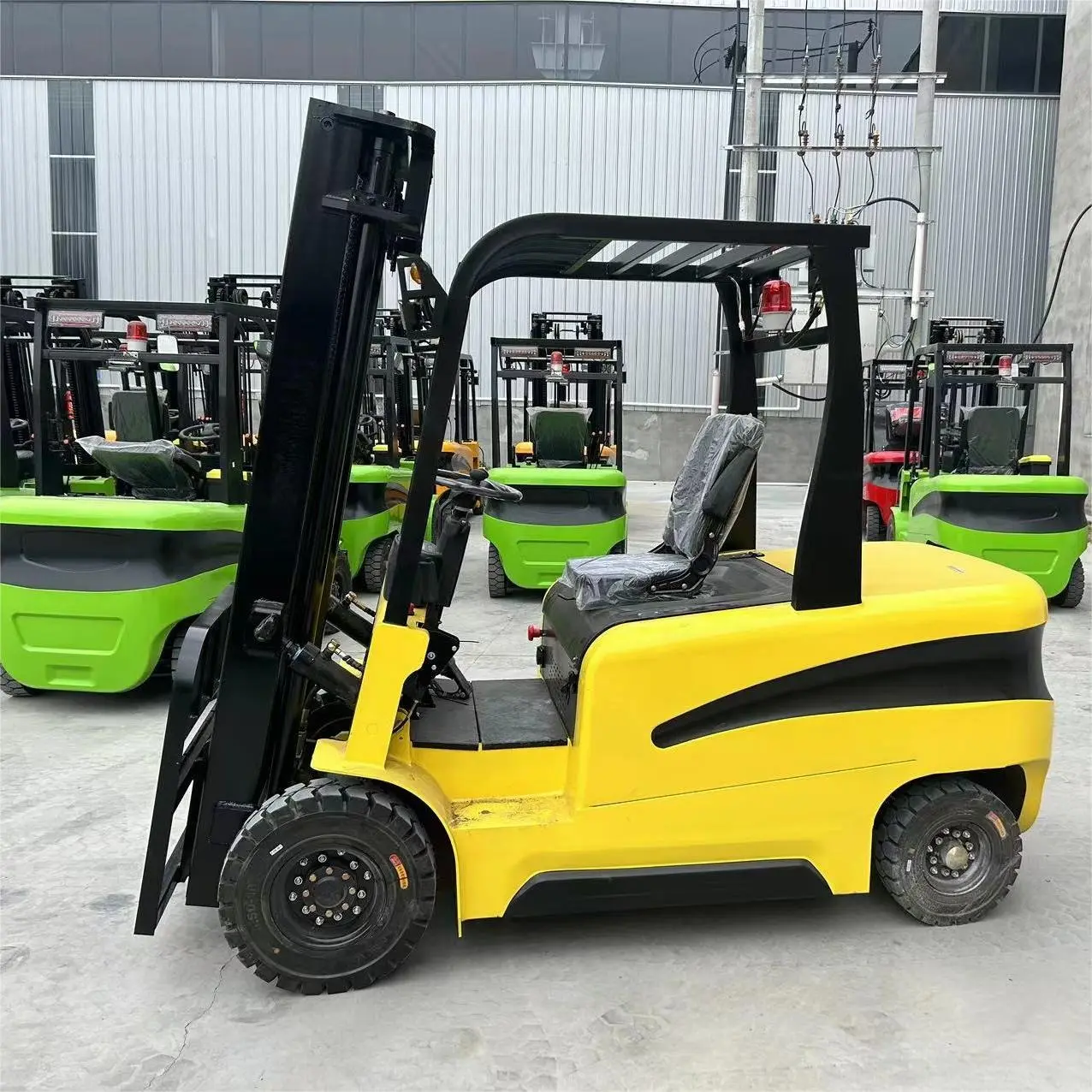
How the Economics Actually Break Down
Energy Cost Favors Electric per Cycle
Charging an electric truck costs markedly less per move than fueling a diesel of similar capacity, especially on repeat, stop-and-go cycles where regeneration recovers energy. Electricity rates are also steadier than fuel markets, so the budget is easier to forecast. Over thousands of cycles, the per-move gap compounds into the largest single saving on high-volume sites.
Maintenance Parts Are Fewer and Cleaner
An electric drivetrain removes the engine, exhaust, and many fluids, leaving fewer items to fail or service. No oil changes, no fuel filters, no injector faults — just brakes, hydraulics, and battery upkeep. That simplification cuts both parts spend and mechanic hours, and it keeps the truck available instead of lifted on a hoist waiting for a combustion repair. An electric forklift therefore logs more uptime per week, which is where the ownership cost truly drops.
Battery Replacement Is the Real Offset
The honest counterweight is the traction battery, which loses capacity after years and eventually needs replacement — a significant one-time cost. Lithium options stretch the interval and remove watering labor, while lead-acid demands disciplined charging and care. Budgeting the battery as a scheduled capital item, not a surprise, keeps the electric case intact and prevents the saving from vanishing in year six. An electric forklift with a planned battery swap stays predictable, turning a feared cost into a budget line.
Standards and a Buyer's Cost Checklist
Compliance That Affects Operating Cost
Powered industrial trucks follow OSHA 29 CFR 1910.178 for operation and training, with ANSI/ITSDF B56.1 covering design and stability. ISO 3691-1 sets international safety requirements and ISO 12100 frames risk reduction, while CE marking applies in Europe. Compliance is not just legal cover — documented training and inspection lower accident cost, which feeds directly into total cost of ownership.
Buy, Run, and Care to Protect the Saving
Match the truck to shift count and load before buying, and fund battery care from day one so capacity does not fade early. Train operators under OSHA rules and log it, inspect daily, and service on the manufacturer schedule rather than reactively. Track cost per move monthly to catch a drifting battery or rising repair trend before it erodes the electric advantage you modeled.
An electric forklift is usually more economical than diesel over the long term where it runs indoors and on high cycles, because energy and maintenance savings compound while battery cost is planned. Anchor the decision in a five-year total-cost model and OSHA 1910.178 practice, and the cheaper truck reveals itself only after the stickers are set aside.
Frequently Asked Questions
Question
Is an electric forklift cheaper long term than diesel? In indoor, high-cycle, multi-shift use, yes — lower energy per move and fewer maintenance parts usually outweigh the purchase gap and battery replacement. Diesel can still win for rough, intermittent outdoor duty where battery investment is hard to justify against light use.
Question
What is the biggest electric saving? Energy per move is the largest single saving, because charging costs less than fueling and regeneration recovers energy on stop-and-go cycles. Over thousands of cycles that gap compounds, especially on two-shift sites where the truck runs almost continuously, making electric the clear leader there for most high-cycle sites.
Question
Does battery replacement erase the saving? It is the main offset, since traction batteries lose capacity and eventually need replacement, but planning it as scheduled capital keeps the case intact. Lithium stretches the interval and removes watering, while disciplined lead-acid care prevents early capacity fade that would otherwise erase year-six gains.
Question
Why might diesel still make sense? Diesel suits rough, open-air, intermittent work where indoor air rules do not apply and battery investment is hard to justify against light use. It also avoids dependency on charging infrastructure that a remote or power-limited yard may lack, keeping the operation simple, which suits such yards.
Question
Which standards affect forklift cost? OSHA 29 CFR 1910.178 governs operation and training, ANSI/ITSDF B56.1 covers design, ISO 3691-1 sets international safety, and CE marking applies in Europe. Documented compliance lowers accident cost, which feeds directly into total cost of ownership over the truck's life, a factor buyers should weigh during specification rather than after purchase.
Question
How do I protect the electric cost advantage? Match the truck to shift count and load, fund battery care from day one, and train and log operators under OSHA rules. Inspect daily, service on schedule, and track cost per move monthly to catch battery drift or rising repairs before they erode the modeled saving.