
 EN
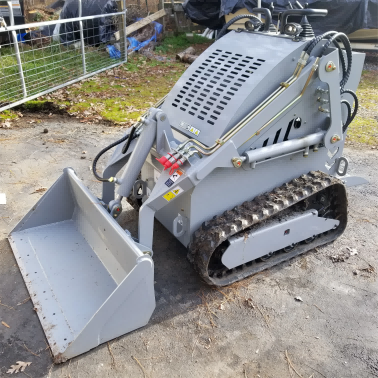
A durable track skid steer earns its reputation on muddy lots and tight sites, but the walking track parts that keep it moving deserve attention long before a breakdown. Owners who treat the undercarriage as a service item protect both uptime and resale value. This guide walks through the components that wear first and the simple habits that extend their service life without special tools.
Real Lessons From a Tight-Site Landscaping Job
A Spring Cleanup That Stalled on Soft Ground
A private landscaper in a lakeside town took a track skid steer onto a saturated lawn to clear brush after heavy rain. Within a single morning the machine began to drag on one side, and the operator heard a rhythmic slapping from the left track. The job stalled because packed mud had filled the undercarriage and the track tension had drifted out of specification. Wet ground exposes weak maintenance habits faster than dry pavement ever will.
What the Walk-Around Inspection Found
After lifting the machine and rinsing the packed mud, the inspection showed early steel embed along the track lugs and a carrier roller that no longer spun freely. The idler wheel had grit welded into its seal, and one drive sprocket showed uneven sprocket teeth wear. None of these faults were catastrophic yet, but each one shortened the rubber track service life. The visit became a low-cost lesson in routine care.
Risks of Skipping Undercarriage Care
Track Tension Loss and Track Sag
Track tension that drifts too loose lets the track slap and invites track sag, which accelerates wear on every rotating part. Too tight, and the system overloads the drive and overheats the rubber track. A quick sag check, measuring droop at mid-span, shows whether adjustment is due. Many premature failures trace back to tension nobody verified after the first fifty hours of work. A neglected undercarriage turns a small gap into a costly repair. Temperature swings also shift tension, so check the undercarriage when the rubber track is at working temperature rather than stone cold. A worn carrier roller or seized idler wheel magnifies any slack, so verify free rotation while adjusting.
Steel Embed and Rubber Track Damage
Steel embed happens when small rocks and grit work into the track lugs and stay there, grinding the rubber track from the inside out. Left alone, this shortens the rubber track and can throw the machine off alignment. A daily debris clearing with a spatula and a low-pressure rinse removes most offenders before they harden. The owner of a track skid steer who skips this step pays for it at replacement time, often sooner than expected.
How the Walking Track System Works and What to Service
Set Correct Track Tension and Read Track Sag
The walking track system runs on an idler wheel at the front, a drive sprocket at the rear, and a carrier roller that supports the top span. Correct track tension keeps the track seated on the sprocket teeth without overloading the bearings. Measure track sag at the midpoint; most manufacturers specify a few centimeters of droop. Adjust through the grease-type tensioner, never by forcing the track, and recheck after the first hours of new work on a track skid steer to confirm the setting holds. Cold weather stiffens the rubber track and hides true sag, so measure after a warm-up lap. A pry bar check at the bottom span reveals a carrier roller that binds, and a binding roller steals power while scoring the undercarriage. Record the reading each time to spot slow drift before it becomes damage.
Inspect Sprocket Teeth and Lubed Pivot Points
Drive sprocket teeth wear in a predictable pattern: tips round off and valleys fill, causing the track to climb and slip. Compare both sides and replace the sprocket before the track starts jumping. Every lubed pivot on the undercarriage, the tensioner, idler mounts, and the linkage, should receive grease on the stated interval. A track skid steer with dry pivots develops play that magnifies into misalignment and uneven, costly wear across the whole machine.
A Practical Inspection Routine and Procurement Advice
Build a Weekly Undercarriage Checklist
A short weekly routine prevents most surprises. Clear debris, check track tension and track sag, spin each idler wheel and carrier roller, and look for steel embed or cracked lugs. Note the rubber track condition and the sprocket teeth profile in a logbook. For any track skid steer in daily use, this ten-minute habit protects service life and steadies operating cost far better than reactive, emergency repairs on a stalled job.
What to Check Before Buying a Used Unit
Procurement readers should inspect the undercarriage as carefully as the engine. Look for even sprocket teeth, free-rolling carrier roller units, and no deep steel embed in the lugs. Verify the lubed pivot points still hold grease and the track tension sits in range. A clean, well-documented undercarriage signals an owner who respected the machine, often a safer buy than a polished cab sitting above a worn walking track system ready to fail. Ask for the maintenance log and compare recorded track tension readings against current sag. A machine with fresh grease at every lubed pivot but no paperwork deserves a harder look than one with a worn cab and a clean undercarriage. Request a loaded test drive to hear the sprocket teeth engage without slip.
Walking track upkeep is less about tools than about rhythm. A durable track skid steer rewards owners who set correct track tension, keep rollers free, and clear debris before it hardens. Pair a weekly inspection with prompt sprocket and pivot service, and the undercarriage will deliver long service life with fewer breakdowns. Smart, consistent care keeps the machine earning on every job it touches.
Frequently Asked Questions
Question
How often should track tension be checked?
Answer: Track tension deserves a look every shift in dirty conditions and at least weekly in light use. New tracks stretch most during the first fifty hours, so recheck early and adjust to the specified sag. A ten-minute check prevents the track from climbing the sprocket or slapping the carrier roller. Consistent tension protects the rubber track and keeps the undercarriage aligned, avoiding the uneven wear that shortens component life.
Question
What does steel embed do to a rubber track?
Answer: Steel embed occurs when grit and small stones press into the track lugs and stay trapped through heat and pressure. The embedded steel grinds the rubber from inside and can throw the machine out of alignment. Daily clearing with a spatula and a low-pressure rinse removes most offenders before they harden. Left alone, embed shortens the rubber track and raises replacement cost well ahead of the normal service life.
Question
Which undercarriage parts wear out first?
Answer: The carrier roller, idler wheel, and drive sprocket see the most load and grit, so they wear quickest. Sprocket teeth round at the tips and the valleys fill, causing the track to slip. The carrier roller seizes when seals fail, and the idler wheel packs mud into its bearing. Inspect these three on a set schedule and replace worn items early. Early service protects the rubber track and steadies the whole undercarriage.
Question
Can debris cause early track failure?
Answer: Debris is a leading cause of early walking-track trouble. Mud, roots, and packed stone raise track tension, scrape the carrier roller, and force the track off the sprocket teeth. A quick clean after each dirty job keeps the undercarriage clear and lets the idler wheel spin free. Skipping this step lets grit embed and steel bite the lugs, cutting the rubber track life short. A few minutes of care prevents most failures.
Question
Is professional service needed for roller replacement?
Answer: A track skid steer roller swap is straightforward for a trained owner with the right tools, yet the tensioner and seals demand care. Lifting the machine safely, releasing track tension, and seating the new carrier roller take method, not guesswork. Many owners handle greasing and inspection themselves and call a technician for sprocket or bearing work. Either way, prompt service protects the undercarriage and keeps the machine productive on site.