
 EN
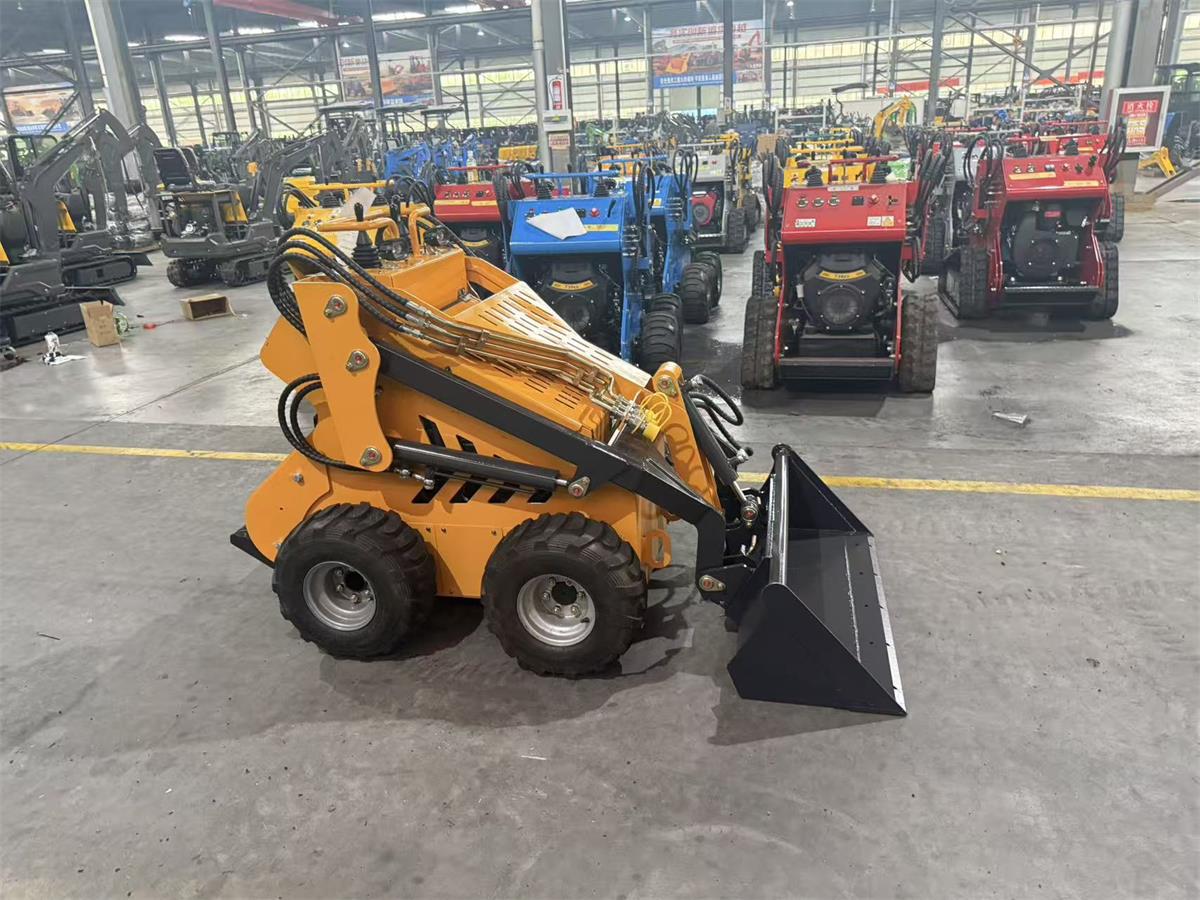
A private landscaping contractor in Jining operated two crews through a long wet spring. Fuel bills on the older compact unit climbed past the monthly budget, and the owner needed a clear answer: which power setup genuinely saves diesel without slowing the work. A modern mini skid steer loader answers that question through four measurable choices — engine displacement, rated rpm, hydraulic design, and eco controls. The following guidance explains how each choice affects the fuel burned per hour on jobsites. The owner later tracked a 15 percent drop in diesel after switching to a matched unit, a result that repeats across similar private crews when the power config fits the actual work rather than the brochure peak.
Engine displacement and rated output for efficiency
Matching displacement to the duty cycle
The first place where a mini skid steer loader earns or wastes fuel is the engine. A smaller displacement diesel engine, often around 700 to 1000 cc per cylinder, avoids lugging a heavy block through light tasks such as grading or trench backfill. Oversized displacement forces the governor to burn more fuel at partial load, where most landscaping and renovation work actually happens. Selecting displacement that matches the typical duty cycle keeps the torque curve in its efficient band and protects daily fuel economy. Risk appears when buyers chase headline horsepower. A bigger engine idles heavy and heats the bay, shortening component life and raising the diesel bill before any attachment turns. Specifying to the real duty cycle is the simplest defense against that waste.
Rated power in kW, hp, and the torque curve
A mini skid steer loader rated near 18 to 25 kW (roughly 24 to 34 hp) covers most private projects without excess reserve. Rated power tells the buyer how much the machine can sustain, expressed in kW or hp. The torque curve matters more than the peak number: a flat torque curve lets the diesel engine pull attachments from low rpm, so the operator needs less throttle. Narrow, peaky curves push the engine toward high rpm, where fuel economy falls quickly and noise rises.
Hydraulic system design that cuts fuel burn
Load-sensing hydraulics versus a fixed pump
Hydraulics drive every attachment, and the pump type decides standby loss. A fixed gear pump spins whenever the engine runs, dumping unused flow across a relief valve as heat. Load-sensing hydraulics instead read attachment demand and vary pump output to match, so the diesel engine only works as hard as the tool requires. On a mini skid steer loader moving between auger, bucket, and grapple, load-sensing hydraulics can trim noticeable fuel each shift without slowing the cycle.
Variable pump and idle control
For a mini skid steer loader, a variable pump pairs naturally with idle control. When the operator releases the controls, idle control drops engine rpm to a quiet low setting instead of holding full speed. Combined with a load-sensing design, the variable pump holds pressure without spinning fast. This pairing reduces wasted fuel during positioning, waiting, and travel — the hidden hours that inflate a monthly diesel total more than the digging itself and raise operating cost. Field data from rental fleets shows the combination matters more than any single part. Machines that hold low rpm between tasks return steadier fuel numbers week after week, which helps a small operator predict job cost and protect margin on fixed-price contracts.
Fuel strategy: diesel, alternatives, and eco mode
Diesel engine versus alternative power
Diesel remains the default for a mini skid steer loader because energy density and torque suit continuous outdoor work. Battery and hybrid options reduce emissions near buildings but add charging limits on remote sites. For most private builders, a well-tuned diesel engine with sensible displacement still delivers reliable practical fuel economy per working hour, provided the power system is matched rather than oversized. The right diesel choice beats a poorly sized alternative on total cost. Reputable suppliers document rated power and emission class on the data plate, aligning with CE and ISO-aligned quality practice. Buyers in the USA, Sweden, Canada, and France clear customs faster when the declared figures match the build, avoiding rework and unexpected downtime on overseas delivery.
Eco throttle and tier emission compliance
On a mini skid steer loader, eco throttle limits maximum rpm under light demand, capping fuel flow before the operator notices. Tier emission standards push manufacturers toward cleaner combustion and smarter injection, which also improves efficiency. Choosing a unit that meets current tier emission rules protects resale and keeps the machine legal across export markets such as the USA, Sweden, and France without retrofit cost. CE marking confirms the build meets declared safety limits.
Procurement and operating advice for fuel economy
Inspection and maintenance that protect efficiency
Buyers should inspect the data plate for rated power, displacement, and pump type before purchase, then confirm CE marking for export. In use, clean cooling fins, set correct track tension, and service the fuel filter on schedule. A mini skid steer loader holds its fuel economy only when the diesel engine breathes clean air and the hydraulic oil stays cool. Poor maintenance quietly erodes the savings the power config was meant to deliver, and a clogged intake alone can raise diesel use by a visible margin. A simple pre-shift check catches most efficiency loss early. Listen for uneven idle, watch exhaust color, and feel the hydraulic lines for excess heat. These habits cost minutes yet preserve the fuel savings the original power configuration was engineered to deliver across the machine's service life.
Summary — choosing the right power configuration
Low fuel consumption comes from balance, not from the biggest engine. Pair modest displacement with a flat torque curve, choose load-sensing hydraulics and a variable pump, engage eco throttle, and keep the diesel engine maintained. A correctly specified mini skid steer loader turns those choices into lower daily diesel cost and steadier jobsite output, giving private builders a measurable edge without overspending on power they never use across a normal working week.
Frequently Asked Questions
Question
What engine displacement suits light landscaping tasks on a small loader?
Answer: A displacement near 700 to 1000 cc per cylinder suits light grading, trench backfill, and material handling. Smaller blocks avoid lugging excess weight through partial-load tasks where most private work happens. Oversized displacement burns more fuel at idle and low throttle, raising daily cost without adding usable force. Match displacement to the typical duty cycle rather than to peak rating. This keeps the torque curve efficient and protects long-term fuel economy on small jobsites.
Question
How does load-sensing hydraulics improve fuel economy?
Answer: Load-sensing hydraulics read the attachment demand and vary pump output to match it, so the diesel engine works only as hard as the tool needs. A fixed pump spins constantly and dumps unused flow as heat through a relief valve, wasting fuel. On a machine moving between auger, bucket, and grapple, the load-sensing design trims standby loss each shift. Pairing it with a variable pump and idle control deepens the saving during waiting and travel time.
Question
Is a diesel engine still the right choice for fuel efficiency?
Answer: Diesel remains practical for a mini skid steer loader because its energy density and low-rpm torque suit continuous outdoor work. Battery and hybrid power cut emissions near buildings but bring charging limits on remote sites. A well-tuned diesel engine with modest displacement and eco throttle delivers reliable practical fuel economy per hour. Choose diesel when the site lacks reliable charging and the work runs long daily cycles without pause.
Question
What maintenance protects the fuel savings of the power system?
Answer: Clean cooling fins, set correct track tension, and replace the fuel filter on schedule to keep the diesel engine breathing clean air. Check hydraulic oil temperature and service the variable pump as advised. The unit keeps its efficiency only when the cooling path stays open and the oil remains cool. Poor upkeep silently erodes the savings the power configuration was built to provide, raising diesel use without obvious warning signs.
Question
Does eco throttle really lower fuel consumption on site?
Answer: Eco throttle caps maximum rpm under light demand, limiting fuel flow before the operator feels a difference in power. On most sites, working hours involve positioning, lifting, and travel rather than full digging, so the cap removes needless high-rpm burn. Combined with idle control and load-sensing hydraulics, eco throttle produces steady, repeatable savings across a working week. The effect shows clearly on a monthly diesel total.