
 EN
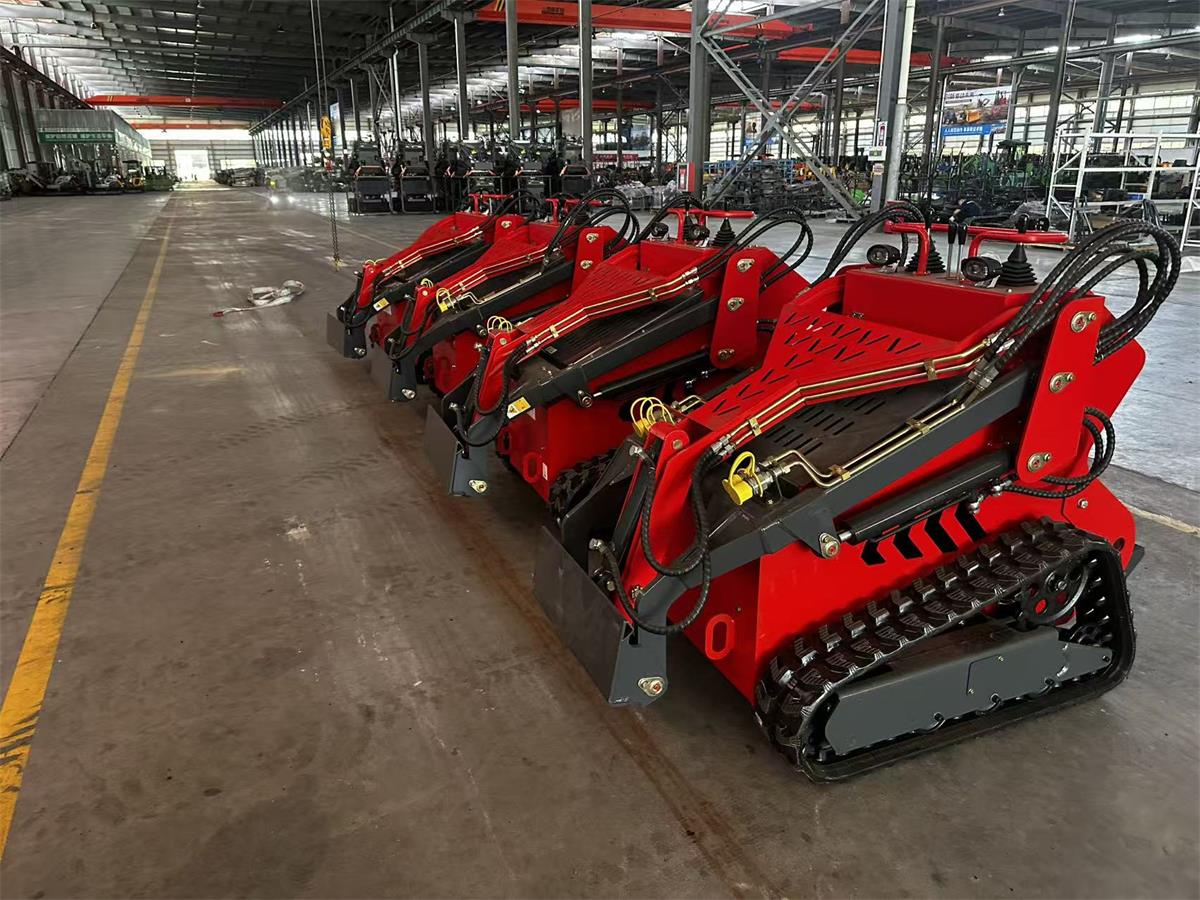
Short-distance, high-frequency material movement is the hidden cost center of many small sites. A mini loader built for portability answers a simple question: can one operator move more loads per hour without burning out? In courtyards, depot yards, and renovation lots where trucks cannot enter, the gap between a wheelbarrow run and a powered shuttle decides daily output.
How a portable mini loader changes short-distance transfer
Cycle time advantage in repetitive yard moves
A mini loader turns a three-step manual carry into a single seated loop. Bucket fill, short travel, dump, return — the operator repeats the same short arc dozens of times per shift. Because the travel distance is small, the machine spends most of its time working rather than commuting between piles.
Hydraulic controls let the operator vary speed with the load and surface. On a 15–25 m shuttle, acceleration and braking matter more than rated velocity. Smooth modulation keeps material in the bucket and avoids the spill-recover-spill waste that slows manual handling. Right-sized hydraulic flow also protects the undercarriage and extends component life, so the productivity gain persists across a long season instead of fading after the first weeks.
Maneuverability in tight and congested spaces
A compact machine with a narrow chassis and a tight turning radius works between stacked pallets, fence lines, and parked equipment. Many portable units use a skid-steer or zero-tail-swing layout, so they pivot within their own footprint. That capability removes the dead space a larger loader needs to swing, freeing more of the yard for staging and reducing the chance of clipping stored goods.
Narrow access also means fewer trips rerouting around obstacles. Material handling becomes a straight line instead of a detour, and the operator keeps the load visible at all times.
Where the convenience actually shows up
Real scenario: a landscaping crew's material shuttle
A grounds crew faced a recurring problem on a courtyard renovation: pavers and soil arrived at the street but had to cross a gated, paved path too narrow for a truck. Wheelbarrows meant four people hauling all day, and progress stalled whenever one tired. They deployed a portable loader with a bucket and a grate attachment sized to the path.
The machine carried roughly a wheelbarrow-load equivalent per cycle, ran the 12 m path in seconds, and freed the crew to lay material instead of moving it. Output rose, the bottleneck moved from transport to placement, and end-of-day cleanup shrank because less was dropped along the route.
Operator fatigue and ergonomic relief
A mini loader keeps the operator seated, replacing lifting and walking with lever-driven cycles, so the lower back and shoulders rest. Adjustable ground speed and ergonomic levers let a smaller operator sustain pace through a full shift. Less fatigue means steadier cycle times in the final hours, when manual crews slow down most and mistakes creep in.
ANSI and ISO ergonomic guidance on controls and seating supports this design logic: reduced static strain lowers error rates and near-misses during repetitive handling.
Risks and limits to weigh before relying on it
Stability and load-center discipline
Convenience fails when a load is carried too high or too far forward. The mini loader's stability depends on keeping mass low and centered over the chassis. OSHA-aligned operator training stresses the load center and rated capacity; exceeding them invites tip risk on uneven ground or during fast turns near edges.
Good practice sets a hard rule: travel with the bucket low, turn slowly, and never lift people on the attachment. These controls are cheap insurance against lost days and damaged equipment.
Ground pressure and terrain matching
A mini loader still exerts ground pressure through its tires or tracks. On soft soil, saturated grass, or fresh fill, the wrong footprint ruts the surface or bogs down. Matching tire type or choosing a tracked undercarriage preserves traction and protects the site from avoidable repair work.
Checking terrain before each run prevents the convenience from becoming a recovery job.
Buying, inspecting, using and maintaining for reliable transfer
What to check before purchase and on delivery
When choosing a mini loader, specify the typical load and path width first, then confirm rated capacity, lift height, and chassis width fit the real space. Buyers should inspect welds, hydraulic hoses, and coupler wear, and verify CE or ISO export documents rather than assume compliance. A short on-site demo on the actual surface beats a showroom ride every time.
Request the maintenance schedule and confirm spare-parts availability for the bucket, tires, and hydraulic seals before committing.
Daily use and maintenance habits
Pre-shift checks cover tire or track pressure, fluid levels, and controller response. Clean the undercarriage of debris after muddy runs to protect the chassis and traction. Following the mini loader's service intervals keeps the hydraulic system responsive and the transfer cycle consistent from Monday to Friday.
Regular inspection of the attachment coupler and lift arms catches wear before it interrupts a job. Reliable material handling comes from steady habits, not from a single feature. Logging daily hour meters and attachment hours helps schedule the next service before wear becomes downtime, keeping the jobsite transfer routine predictable.
For sites defined by short, repeated moves, a mini loader earns its place by compressing cycle time and protecting the operator from fatigue. Convenience is real when the path is tight, the load is modest, and daily habits keep the machine ready. Buyers who match capacity, terrain, and training to the task gain steady, measurable productivity without overbuilding the fleet.
Frequently Asked Questions
Question
Is a portable loader necessary for small courtyard transfer?
Answer: For courtyards under roughly 30 m of travel with frequent loads, a portable loader removes manual hauling and steady fatigue. Convenience appears when the path is narrow and the run repeats all day. Larger machines waste space and cannot enter. The right unit turns a bottleneck into a smooth shuttle, so the investment pays through saved labor hours rather than raw power or top speed alone.
Question
How does a portable loader reduce operator fatigue during repeated moves?
Answer: Seated control replaces lifting and walking with lever-driven cycles, so the lower back and shoulders rest. Smooth hydraulic modulation keeps each short run consistent, and adjustable speed sustains pace late in the shift. Less strain means fewer slowdowns and near-misses. Ergonomic design following ANSI and ISO guidance lowers error rates, keeping material handling safe across a full working day.
Question
What ground conditions suit a portable loader for jobsite transfer?
Answer: Firm, flat yards suit wheeled portable loaders most, while soft soil or wet grass favors a tracked undercarriage for traction. Ground pressure through tires or tracks decides whether the site stays intact. Checking terrain before each run prevents rutting and bogging. Matching footprint to surface keeps the mini loader moving instead of becoming a recovery task on difficult ground.
Question
Which features matter most when buying a compact loader for transfer?
Answer: Prioritize rated capacity, chassis width, lift height, and a reliable coupler for attachments. Verify CE or ISO export documents and inspect welds, hoses, and tire condition on delivery. A short demo on the actual surface reveals real maneuverability. Confirm spare parts for the bucket and hydraulics, since steady material handling depends on quick, local maintenance support.
Question
How should a compact loader be maintained for consistent daily use?
Answer: Run pre-shift checks on tire or track pressure, fluids, and controls, then clean debris from the undercarriage after muddy work. Follow the service schedule for hydraulics and inspect the coupler and lift arms for wear. Steady habits preserve traction and response, so the machine keeps a predictable transfer cycle. Reliability comes from routine care, not from a single specification advantage.