
 EN
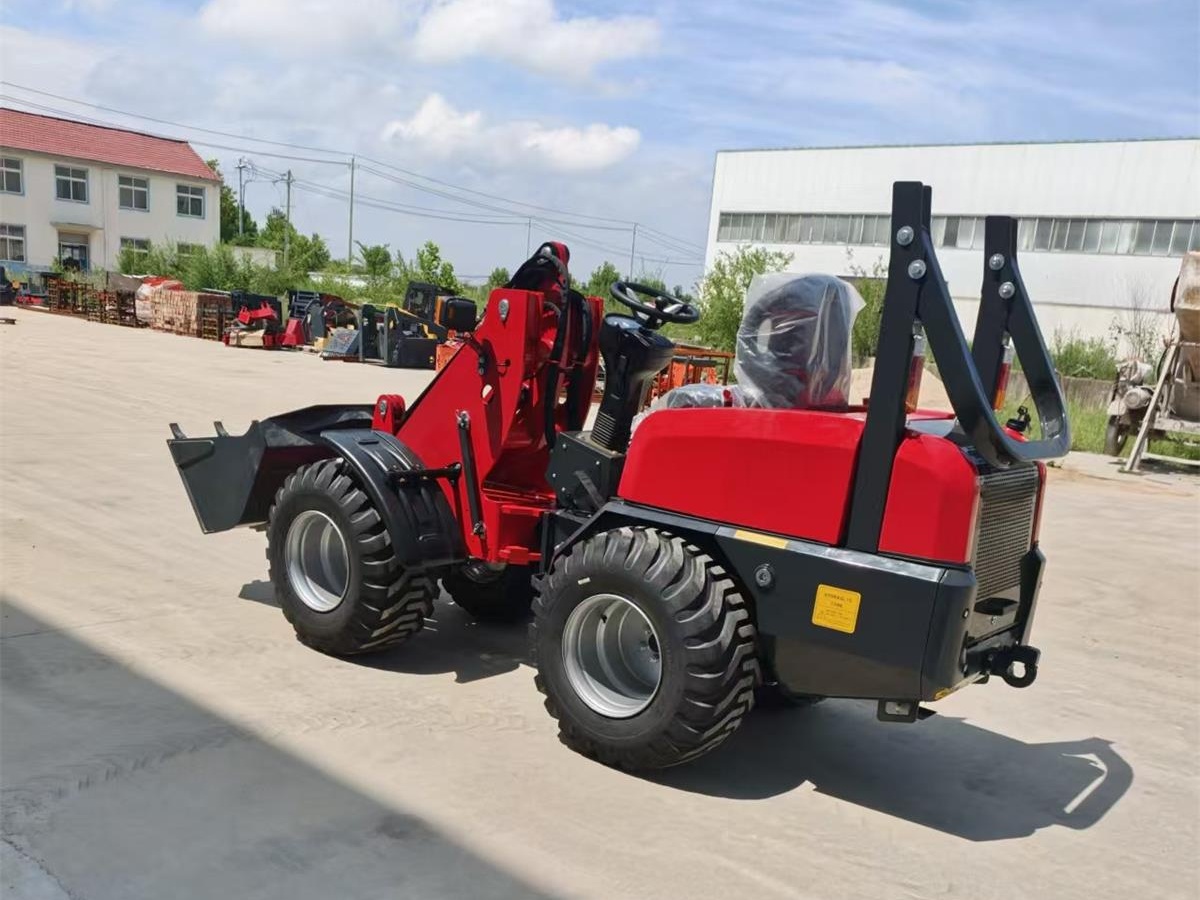
Choosing the right mini skid steer for a complex narrow construction site starts long before a model is ordered. Confined urban lots, historic courtyards, basements and interior renovations leave almost no margin for error in machine size. A loader that fits an open yard may jam at a gate, scrape a doorway or fail to turn inside a corridor. Selection must begin with hard site measurements, not catalogue promises.
Why narrow-site selection differs from open-yard buying
Measure the tightest passable width before any purchase
A mini skid steer looks small in a showroom, yet real sites punish optimistic estimates. The first step is to record the narrowest gap the machine must cross: the service gate, the doorway, the scaffold gap, the corridor between walls. Record the width at the tightest point and subtract a safe clearance of roughly 50–100 mm on each side for operator confidence and track flex. Under-door clearance adds another constraint: lintel height, threshold ramp and floor load all matter. A common failure is ordering a machine rated for a 1,000 mm gate, only to discover the actual opening measures 920 mm. Measure twice, then choose a width class with margin.
Map turning space with turning radius and zero tail swing
Turning behaviour decides whether a machine can work inside a room rather than just pass through it. A mini skid steer with zero tail swing design keeps the rear within the track footprint during rotation, so it pivots against a wall without striking it. Compare the published turning radius with the available sweep space at the job's tightest corner. On a 2.5 m wide courtyard, a conventional unit may need to back out and re-enter, while a zero tail swing loader completes the turn in place. Traction and counter-rotation of the undercarriage let both tracks spin opposite directions, which is the mechanism behind turning in place and the reason narrow sites favour this geometry.
Match machine dimensions to real site geometry
Track width versus doorways, gates and interior corridors
Track width is the single dimension that most often blocks access. For interior work with a mini skid steer, measure corridor width and any 90-degree turns, because a machine that enters straight may not rotate to exit. Rubber track units typically span a narrow band, but widths still vary by model and by optional track extension. Verify the loaded width with attachments mounted, not bare chassis, because a bucket or grapple adds side overhang. Compact equipment dimensions should be tabled against each choke point so the construction loader is never selected on hope.
A representative case: a crew in a dense old town met a 940 mm gate and a 1.9 m basement lintel. A standard loader could not clear the gate. A compact unit with 900 mm track width and zero tail swing restored access, letting the crew pivot beside the wall without damaging formwork and finish on schedule.
Height and under-clearance for low ceilings and basements
Vertical clearance is easy to forget until a cab roof hits a beam. Basement and parking-structure work demands a low profile: measure lintel, pipe and duct heights, then confirm the machine's transport height and operator station height. Some models offer folding ROPS or lowered cab options suited to tight overheads. Stability also depends on ground pressure spread by the tracks; wider contact lowers pressure and protects finished floors from rutting during indoor material handling.
Assess accessibility and ground approach constraints
Approach angles, gradeability and ramp limits
Access is not only about width; it is about how the machine arrives. Steep driveways, kerb heights and trailer ramp angles set practical limits. Check gradeability and the approach or departure angle so the loader climbs without grounding the chassis. On uneven terrain, differential traction from the hydraulic drive helps maintain control, while overload on a ramp risks tipping. Plan the route before delivery and flag any slope that exceeds the machine's rated capability.
Reduced tail swing for working against walls and corners
When a mini skid steer works flush against a wall, any rear overhang becomes a collision risk and a safety hazard. A reduced or zero tail swing loader keeps the body inside the track line, protecting piping, formwork and personnel. This matters in trenching along building lines and in blind corners where the operator cannot see the rear. OSHA guidance on operator training and ANSI or ISO machine safety standards both stress controlled movement in confined spaces, so selecting the right swing geometry is also a compliance choice, not just a convenience.
Inspect, operate and maintain for safe narrow-site use
Pre-delivery inspection and selection checklist
Before buying a mini skid steer, request the actual transport dimensions, operating weight and rated capacity from the supplier and verify them against the site survey. Inspect track condition, coupler type and hydraulic response on a demonstration unit. Confirm the machine carries CE marking and reference to ISO 20474 earth-moving machinery safety where applicable. Match the power class to the duty: a 1–2 ton class unit often suits confined renovation, while heavier tasks need a larger construction loader with proportional control.
Daily operation and undercarriage maintenance habits
Safe narrow-site work depends on habits as much as hardware. Walk the route daily, watch for new obstacles, and keep mirrors or camera aids clean. Undercarriage maintenance matters most on abrasive sites: check track tension, clean packed debris and inspect rollers to preserve traction and stability. Hydraulic lines should be checked for leaks that could disable steering mid-corner. Scheduled maintenance protects productivity and reduces operating cost over the machine's service life.
A disciplined selection method turns a risky purchase into a predictable one. Measure every choke point, favour zero tail swing where walls are close, verify clearance and inspect the unit before it reaches the site. The right mini skid steer earns its place by fitting the geometry of the job, not by winning a spec sheet. Pair careful buying with daily operation and undercarriage care, and confined sites become manageable rather than hazardous.
Frequently Asked Questions
Question
What width clearance does a narrow site loader require at a doorway?
Answer: A safe doorway pass needs the machine's loaded width plus roughly 50–100 mm clearance on each side. Measure the tightest opening after finishes, not the bare frame. Track width with a mounted bucket often exceeds bare chassis, so table the real dimension against every choke point before ordering a narrow site loader.
Question
How does zero tail swing help in confined construction areas?
Answer: Zero tail swing keeps the rear within the track footprint during rotation, so the machine pivots against a wall without striking it. This lets a loader turn in place inside rooms and corridors where a conventional unit must back out. The counter-rotation of both tracks creates the pivot, making tight corners far safer and more productive.
Question
Which dimensions matter most when checking under-door clearance?
Answer: Transport height, operator station height and track width dominate under-door checks. Measure lintel, duct and beam heights, then confirm the machine fits with margin. Some compact equipment offers folding ROPS or lowered cabs for low overheads. Always verify loaded width with attachments, since buckets add side overhang that blocks narrow openings.
Question
Can a compact skid steer work safely on steep access ramps?
Answer: A compact skid steer handles moderate ramps when gradeability and approach angle suit the slope. Verify rated capability, avoid overload and keep the load centred to protect stability. Hydraulic traction aids control on uneven terrain, but exceeding limits risks grounding or tipping, so survey the route and flag any slope beyond the machine's rated range.
Question
Why does pre-delivery inspection matter for confined renovation work?
Answer: Pre-delivery inspection confirms real transport dimensions, operating weight and rated capacity match the site survey. Checking track condition, coupler type and hydraulic response on a demo unit prevents costly mismatch. Verify CE marking and ISO 20474 reference, then match power class to the duty so the mini skid steer performs safely in confined renovation work.