
 EN
EN
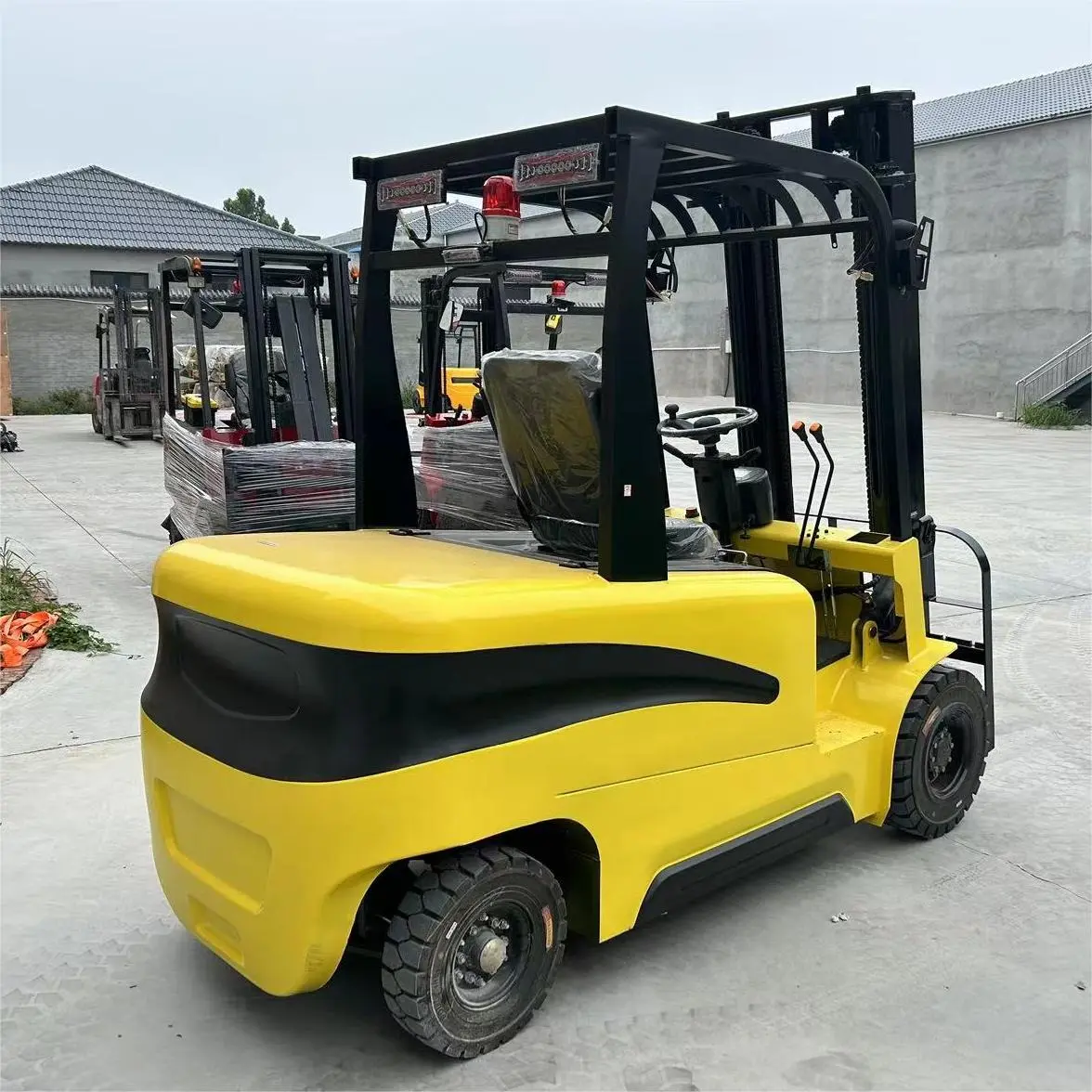
Selecting Forklift Types for Warehouse Layout and Density Requirements
Choosing the Correct Forklift for Spacing and Usage Scenarios
In order to select appropriate forklift types for your application, you need to consider the layout of your warehouse and the arrangement of stored goods. Each type of forklift has strengths and weaknesses in its ability to maneuver, extend, and utilize space.
Turret Forklifts are incredibly versatile as they can navigate extremely narrow gaps, as their forks can rotate to pick from either side. They are meant for accessing tight spots. For maximum vertical storage, reach trucks have tall masts and outrigger legs for maneuvering pallets and extending space vertically. To save on total warehouse reach, the masts can extend over the clearance.
The benefits are obvious. Turret forklifts are excellent for maximizing space. But, they have a much greater initial investment. The aisles will need to be marked, and the operators must be trained on how to use the advanced system. Reach Trucks require 8-10 foot aisles, a regular counterbalance forklift needs 12-14 foot aisles, and Turret forklifts need between 5-7 foot aisles. Deciding on which forklift to purchase means weighing the balance between how much storage and how quick the workflow needs to be, and the initial investment.
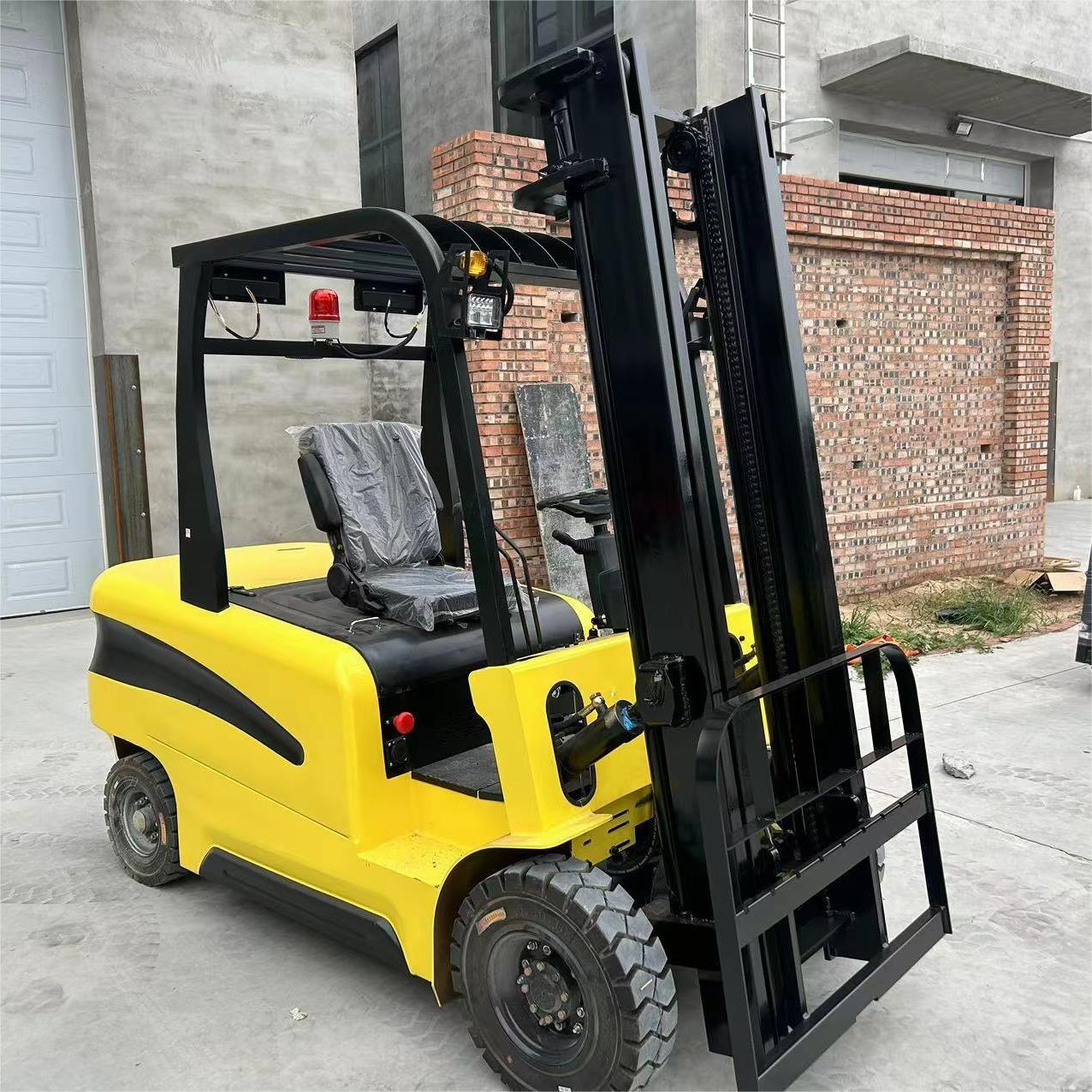
Narrow-Aisle vs. Wide-Aisle Forklifts: How Aisle Width Dictates Forklift Selection and Storage Density
Narrow-Aisle Forklifts must be utilized if your aisles are under 10 feet. This means that warehouses with 12 foot aisles can utilize forklifts that are standard counterbalances. Those are the cheaper option and also the more simple option for general material transporting.
Narrowing the aisle width increases the storage density. If the width is decreased from 12 feet to 8 feet, pallet positions can be increased by 30-40% throughout the same area by adding pallet racking. But, narrow aisle forklifts have limitations, such as slower travel and less operator control. These also may be reliant on systems for safe navigation that are either wires, lasers, or inertial guided systems. In comparison, wide aisle forklifts improve speed and efficiency dramatically. However, there is a significant cost to floor space.
Estimate available aisle widths and determine your desired storage density to select the best storage option. If a new storage system is to be built, adjust aisle widths based on the type of forklifts to be used. Changing a wide aisle system to narrow aisle is expensive, disruptive, and usually not the best option.
Load and Racking Limits: Weight, Dimensions, Lift Height, and Load Stability
Forklift Stability and Safe Forklift Operation: Effects of a Load's Center of Gravity and Load Dimensions
Knowing the weight and size of the load is the first step to understanding the limits for safe operation. When a load is combined with a forklift to determine the Center of Gravity (CG), the CG position and the load height can affect the stability of the system. When the mast is lifted or the load is tilted, the CG moves forward, thereby increasing the risk of tipping. The racking structures sustain 15% more of the stress load because of the effects of a moving forklift. The operator needs to consider the effects of a load that is uneven, sustained, or that protrudes the limits of the lift by more than 10% of the width of the racking structures, as these will also increase the risk of tipping the forklift. A good practice is to add 30% to the safe load limit to account for real-life variations. Side shifters and rotators change the effective CG and value of the load. Before lifting to the maximum height, consult the manufacturer’s load chart for each side shifter or rotator.
Rack Compatibility and Clearance: Understanding Forklift Lift Capability Relative to Mezzanine and Pallet Rack Limits
The physical limitations of pallet racks must be kept in mind when choosing a forklift. Frames and beams of pallet racks are rated for specific weights – beam capacity per tier and total frame capacity. For example, a set of beams rated for 4,800 pounds would allow a total of 14,400 pounds to be loaded per tier across a typical three-tier pallet rack and a frame rated for 18,000 pounds would have a total frame capacity of 18,000 pounds. A mismatch in the carrying capacity of a forklift and the pallet rack can result in stressing all components of the rack, especially with dynamic loads and impacts with 3 mph collisions. 58% of all pallet rack damage is a result of impacts by a forklift and reduces the safe working load of the rack. Clearance of a forklift mast and the overhead beams as well as the mezzanine, must account for the full range of lift and reach. The measurement of the widest load and the tallest rack, must be of the narrowest aisle to ensure full range of operation without interference for the safe working load of the rack.
Operational and economic considerations: Power source; Safety; Ergonomics; Total cost of ownership
Electric Forklifts Vs IC Forklifts in Indoor Warehouses: Emissions, Maintenance, and Duty Cycle Realities
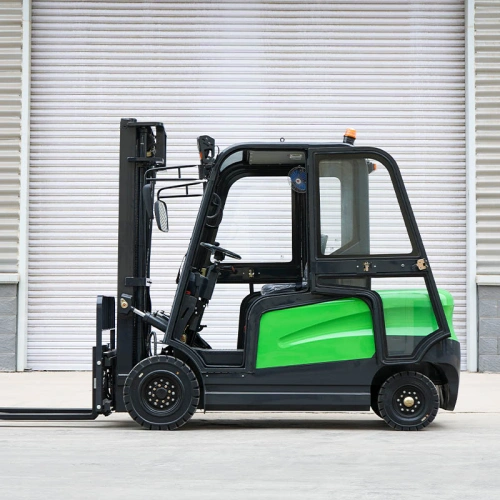
There is a trade-off between operational needs and long-term economics when deciding whether to use electric or internal combustion (IC) forklifts indoors. Because electric forklifts are zero-emission and quiet, they are preferable in enclosed spaces indoors where air quality and noise regulations are a concern. Additionally, they are easier to maintain because they don’t require oil changes, spark plug replacements, or exhaust system inspections. In contrast, IC forklifts use propane, gasoline, or diesel, and produce exhaust gases, which require added ventilation. Though the battery charging or swapping process takes hours compared to the few minutes of IC refueling, they are poorly suited to indoor use without sufficient ventilation and safety measures.
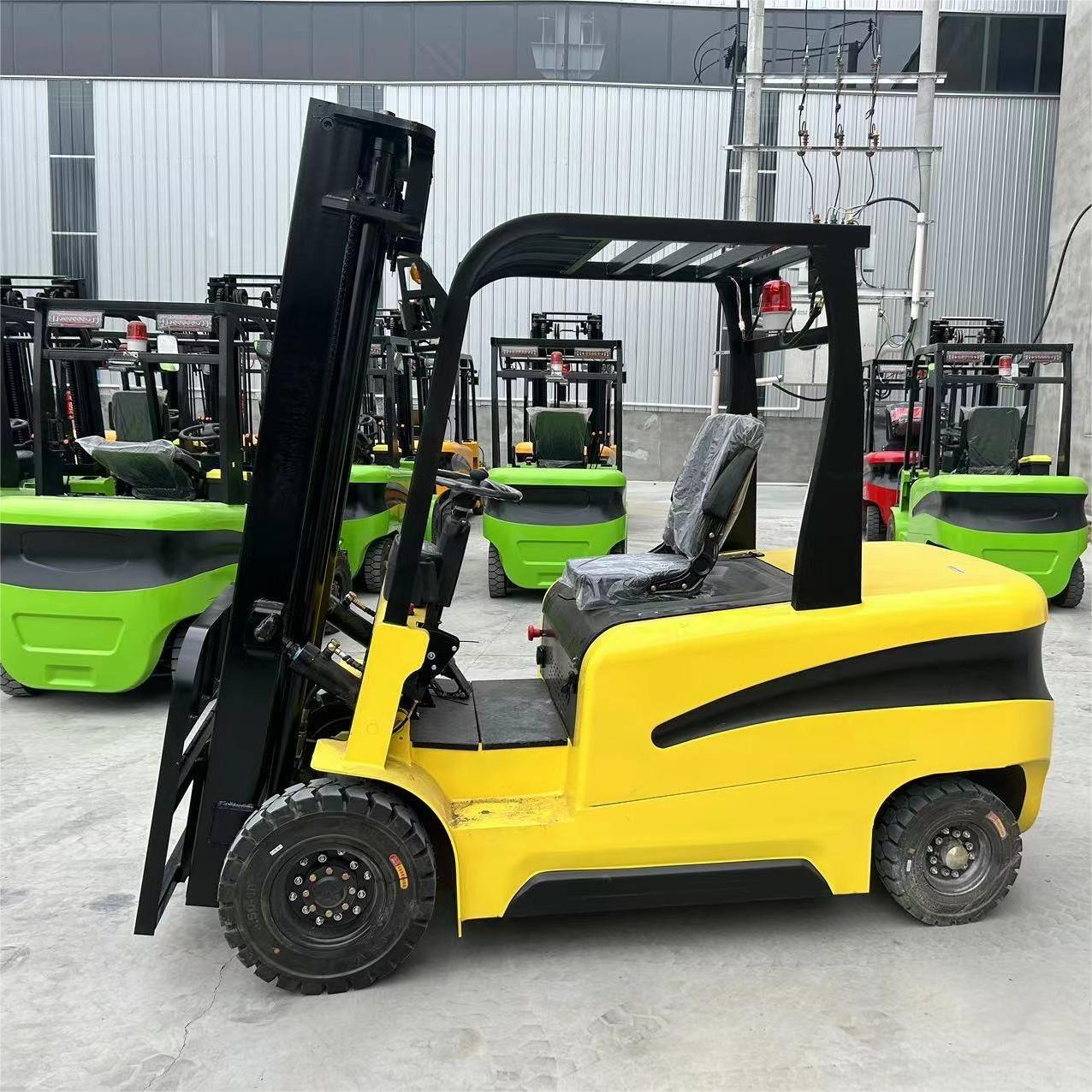
Considering the total cost of ownership (TCO), electric forklifts are better in terms cost of energy and maintenance during their service life. Though ICs have a lower purchase price and greater peak power for heavy-duty cycles, their costs of fuel, emissions control, and maintenance accumulate much faster indoors. For warehouses and operations that prioritize worker health, safety, and sustainability, electric forklifts are the better option operationally and ergonomically. IC forklifts may still be the preferred option in warehouses that operate continuous multiple shifts due to faster refueling. In that case, the infrastructure for ventilation, monitoring emissions, and training operators will need to be implemented. Finally, ventilation, operating hours, shift length, and TCO will be more important than purchase price.
FAQ
What are the applications of counterbalance forklifts?
Counterbalance forklifts are great for loading docks and working with materials that are handled in large open areas. They are not as space-efficient as other types of forklifts since they use larger aisles to operate, but they are great for fast pallet transport in open areas.
What do reach trucks do to allow more items to be stored in a limited space?
Reach trucks utilize extended masts and outrigger legs to reach and stack pallets up to 30 feet and beyond. This function is what allows reach trucks to operate in spaces with narrow aisles and utilize more vertical storage space.
Is it better to use electric forklifts over other types of forklifts for indoor use?
Electric forklifts are better to use indoors over other types of forklifts since they are emitting nothing, relatively quiet, and easier to service compared to internal combustion forklifts.
What is the best type of forklift to use for very narrow aisles?
Turret forklifts are the best option to use in very narrow aisles because they have the unique ability to rotate forks and can retrieve pallets and loads without the need to turn the entire unit, thus conserving scanio СНПЮ А. Толераве. ~
What are the stability factors of a lifted forklift?
The load size, center of gravity, and center of the load all affect the stability of a lifted forklift. Tilting the mast or having a load that is of uneven weight is also a cause of the center of gravity shifting, which can lead to tipping.