
 EN
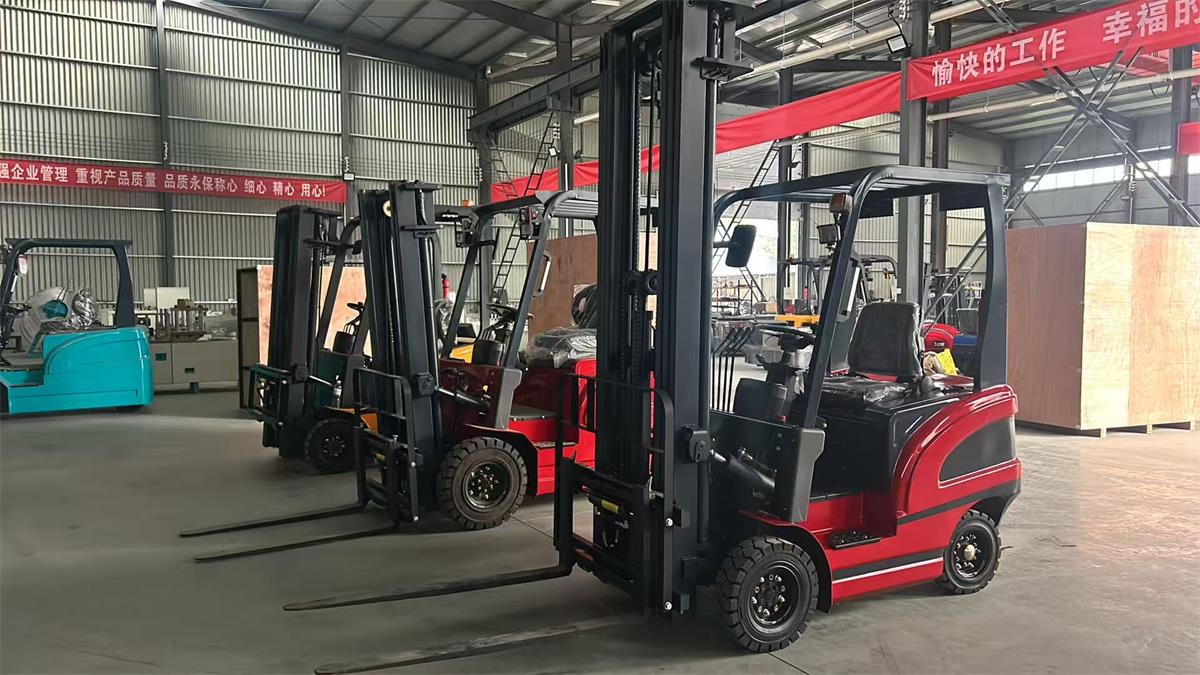
A warehouse manager planning a new storage block faces a simple question that hides real cost: how high should the truck lift? A forklift electric model is often chosen for indoor clean operation, but picking the wrong lift height wastes aisle space and risks unsafe stacking. The right height starts from the tallest load position, not from a catalog number. Many operators underestimate how mast type and aisle geometry interact with height, which leads to blocked lanes and damaged racking during peak season.
Match Lifting Height to Racking Height and Load Center
Measure racking height before ordering the truck
The first step is a field survey of the existing racking height and the building clearances. A planning team at a third-party logistics warehouse in Sweden mapped every beam level and found the top storage position sat at 7.2 meters, higher than the originally quoted truck could reach. A forklift electric unit must clear that beam plus pallet and load thickness, so the required lift height is the beam height plus a safe margin for the overhead guard path. Skipping this survey forces expensive mast replacement later.
Set the load center for stable stacking
Lift height and load center move together. The rated capacity printed on the data plate assumes a standard load center measured forward from the fork heel. As the pallet sits farther out, the same truck holds less at full height. A forklift electric with a shorter mast may still fail if the load center grows beyond design. Operators should confirm the real load center of every inbound pallet and compare it against the chart before setting the target height. A monthly check of the data plate and fork wear helps keep that chart honest as the truck ages.
Select the Right Mast Type: Triplex Mast and Free Lift
Why a triplex mast suits high-bay storage
A triplex mast collapses into a short stack and extends in three stages, which lets a forklift electric reach tall racking height without a huge closed height. In a high-bay block this matters because the truck must pass under door headers and mezzanine edges before lifting. The triplex mast gives smooth staged extension and keeps the operator view clearer than a duplex design at the same reach, reducing the chance of striking a beam during placement. Side shift and tilt functions then fine-tune the final position without extra mast travel.
Use free lift to work under low structures
Free lift is the distance the forks rise before the mast stages extend. A truck with generous free lift can lift a pallet into a trailer or through a low doorway without raising the top of the mast. For a forklift electric working in buildings with overhead guard clearance limits, free lift reduces the needed clear height and protects the roof structure. Specifying enough free lift often solves a just barely too tall problem without changing the whole mast. Field teams should still rehearse the motion in an empty bay before live loading begins.
Plan Aisle Width and Overhead Guard Clearance
Calculate aisle width for safe turning
Lift height changes how the truck behaves at the top of travel, and aisle width sets the turning room. A narrow aisle width improves storage density but demands precise mast alignment and slower travel. A forklift electric in a narrow aisle also raises the value of a reach truck, which straddles loads and needs less turning space than a counterbalance model. The planning team should lay out the worst-case turn path with the loaded truck, then add margin for floor marks and rack protectors. Floor marking and rack protectors absorb minor contact, but the layout must leave room for the raised load to clear rack legs.
Check overhead guard and roof clearances
The overhead guard protects the operator but adds to the truck's standing height. Before fixing the lift height, measure the lowest obstruction the mast passes under: door headers, sprinkler pipes, and mezzanine edges. A forklift electric that fits at floor level may still strike a pipe near the top of travel if the lift height is set too high. Mark these limits on the floor and train operators to respect them during every shift. Annual inspection of the guard welds and the mast chain tension keeps these limits meaningful rather than decorative.
Size Battery Capacity, Cold Storage, and Compliance
Match battery capacity to shift and cold storage
A taller lift cycle means more energy per pallet, so battery capacity must cover the whole shift without mid-day charging. In cold storage the battery loses effective output and the hydraulic oil thickens, lowering both lift speed and runtime. The forklift electric draws more current near the top of travel, so specifying a larger battery capacity and a temperature-rated pack keeps it productive through a full cold storage shift. Plan the charger location near the battery swap area to shorten changeover. A simple runtime log highlights when capacity falls below the shift demand and signals a pack service.
Apply OSHA 1910.178 and final selection
Before commissioning any truck, review OSHA 1910.178 for operator training, load limits, and annual inspection duties. A reach truck may outperform a standard counterbalance model in very narrow aisles, but only if the racking height and aisle width support it. The final choice of lifting height should balance racking height, mast type, load center, aisle width, and battery capacity against the building's hard limits. Selecting the correct forklift electric protects throughput, safety, and the capital spent on racking. A short commissioning checklist that records measured limits protects both the operator and the asset over time.
Frequently Asked Questions
Question
What lifting height is needed for a given racking height?
Answer: The required lifting height equals the top racking height plus the pallet and load thickness, with extra margin for the overhead guard path. Measure every beam level in the block rather than trusting the original layout drawing. A forklift electric must clear the highest stored position during normal travel. Under-measuring forces a costly mast change later.
Question
Why does load center affect safe lifting height?
Answer: Rated capacity assumes a fixed load center measured from the fork heel. When a pallet sits farther forward, the truck holds less at full height, so the planned lift may become unstable. Always compare the real load center of inbound goods against the data plate chart. If the center shifts outward, lower the target height or choose a truck with a longer rated capacity.
Question
How does a triplex mast help reach higher racking?
Answer: A triplex mast folds into a short closed height and extends in three stages, so a truck can pass low doorways yet still reach tall racking height. The free lift stage raises forks before the outer stages move, protecting roof structures. This staged extension keeps the operator's view clearer than a duplex mast at equal reach and suits dense high-bay storage blocks.
Question
Can a reach truck replace a standard model in narrow aisles?
Answer: A reach truck straddles the load and needs less turning space, so it often fits a tighter aisle width than a counterbalance truck. It suits very narrow racking layouts where a standard model cannot turn safely. The trade-off is lower ground speed and different training. Match the choice to the measured aisle width and the racking height before committing to a fleet.
Question
Do cold storage conditions change battery and lift needs?
Answer: Cold storage cuts effective battery capacity and thickens hydraulic oil, lowering both lift speed and runtime per charge. Specify a larger, temperature-rated battery pack and plan the charger near the swap point. Operators should also expect slower mast movement near the top of travel. Review OSHA 1910.178 duties for inspection so the truck stays safe through winter and refrigerated shifts.