
 EN
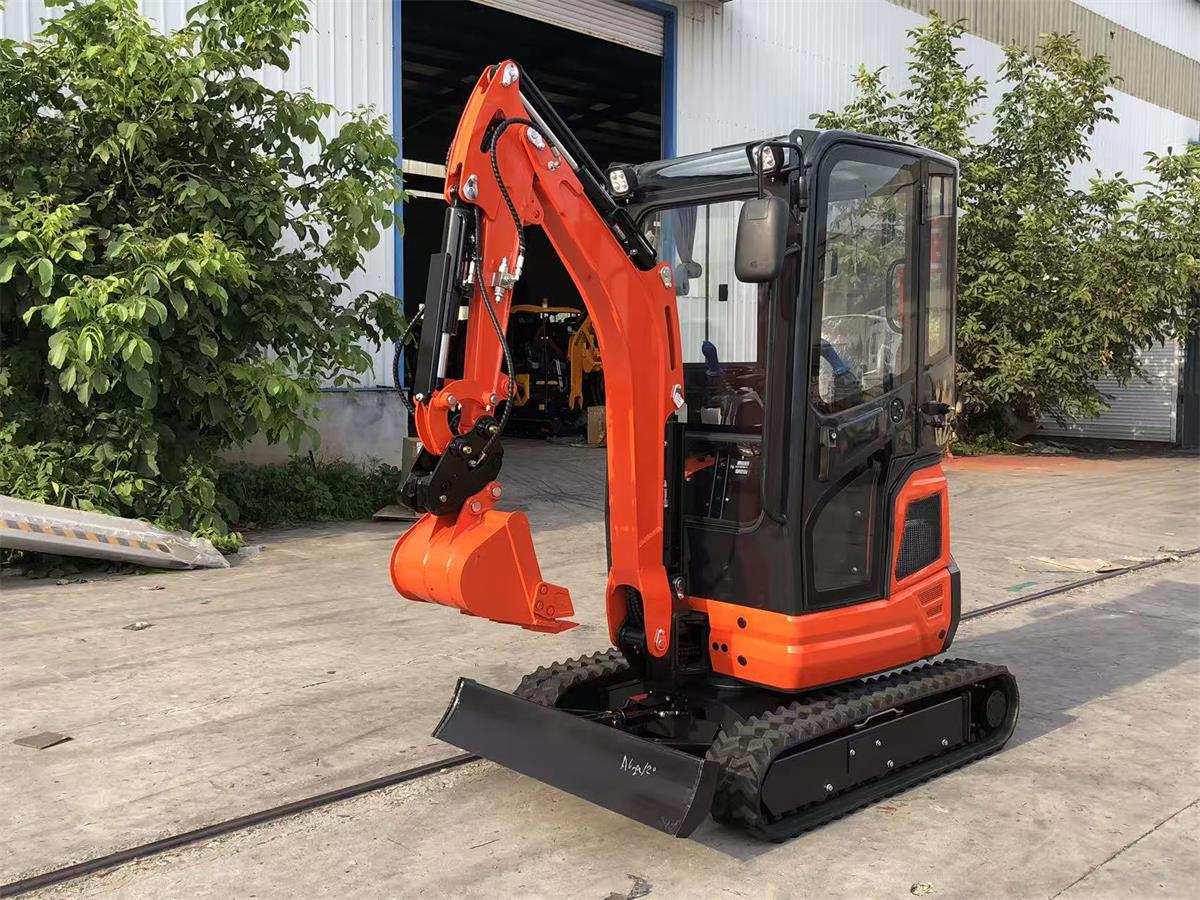
A small excavator mini often faces soaked soil, standing water and driving rain on real jobsites. Many operators worry that damp conditions will stall electronics or cause the machine to slide. The good news is that modern compact units are engineered for wet work when the right precautions are in place. This opening section explains what to check before the first raindrop falls. A drainage contractor in the Pacific Northwest recently ran a compact unit through six straight weeks of drizzle while installing a culvert. The machine stayed productive because sealing and traction were addressed up front. Reading the site for pooled water and soft edges is the first risk-control step.
Wet-weather sealing and electrical protection
Sealed cab and IP-rated connectors
The excavator mini relies on sealed cab design and IP rating protected connectors to keep moisture away from sensitive circuits. Wiring harnesses routed through the canopy use grommets and sealed plugs so rain cannot reach control modules. A sealed cab also shields the operator and the instrument cluster from spray. Regular inspection of door seals and connector boots prevents slow leaks that later cause intermittent faults. CE and ISO-aligned assembly practices keep these seals consistent across production batches. A quick monthly press test on door gaskets confirms the sealed cab still meets its IP rating in the field.
Preventing water ingress into control systems
Water ingress is the chief enemy of wet-running equipment. Cable entries, sensor caps and fuse boxes should stay closed and dry. After a storm, wipe connectors and verify no condensation forms inside the display. A simple rain cover over the control panel during standby blocks most direct spray. Keeping the undercarriage washdown hose away from open ports reduces the risk of forced water ingress through vents. Battery and starter compartments deserve the same attention, since NFPA guidance treats standing water near electrical enclosures as a clear hazard. OSHA field notes also flag corroded grounds as a top wet-site fault that a dry wipe can prevent.
Traction and stability on slick ground
Rubber track grip in mud and rain
On mud-slick ground the rubber track delivers far better grip than steel wheels would. Lug patterns channel slurry away and maintain contact on soft surfaces. Lowering ground pressure by widening the stance improves the excavator mini footing in clay. Operators should creep rather than sprint across greasy patches, letting the track bite instead of skating. Packed clay in the lugs reduces grip, so a short undercarriage washdown at day's end restores the rubber track profile. Check track tension weekly, because swelling mud can over-tighten the loop and strain the drive motor.
Ground clearance and slope stability
Ground clearance matters when ruts fill with water. A higher belly keeps the excavator mini from high-centering on submerged rocks. Slope stability depends on keeping the house level and the boom low during travel. Avoid angling across a slick grade; traverse straight or reposition the spoil pile to stay safe. Chaining or padded tracks can add bite on steep wet banks. Keep the spoil pile graded away from low spots so runoff does not pool under the belly. Inspect ground clearance after each flood pass, since wedged debris can upset slope stability on the next climb.
Safe trenching and spoil handling
Trench safety on saturated soil
Trench safety becomes critical when soil is saturated and walls threaten to collapse. Shoring or benching protects the excavator mini and the crew in deep cuts. Never over-dig below the water line without a pump. The sealed cab keeps the operator clear of splashing while monitoring wall movement through the window. OSHA trench standards require protective systems beyond a certain depth, and rain sharply raises that risk on any site. A builder who skipped shoring on saturated ground once faced a wall slough that stalled the whole shift until pumps caught up.
Managing the spoil pile and undercarriage washdown
The spoil pile should sit well back from the edge so wet soil does not slough into the cut. After the shift, an undercarriage washdown removes packed mud that would otherwise freeze or corrode pins. High-pressure rinsing of the track frame, rollers and sprockets extends service life. A final rain cover on parked units keeps the next start dry. Mud carried back onto the rails accelerates wear, so rinse before parking whenever the site is soupy. A clean undercarriage washdown also lets the rain cover seal flush against the deck instead of trapping grit that scratches the paint.
Routine care for continuous wet duty
Daily undercarriage washdown practice
A disciplined undercarriage washdown after each wet shift prevents abrasive mud from grinding bearings. Flush the rubber track and carrier rollers, then let the machine drain. Inspect for embedded stone that worsens track tension. This habit is practical insurance against premature undercarriage wear in rainy seasons. Pair the rinse with a glance at slope stability of the parking pad and a wipe of the control connectors. Dry electrical points lower the odds of a no-start the next morning after a soaking that would otherwise strand the crew.
Rain cover and storage discipline
A fitted rain cover shields the cab, boom and hydraulic manifolds when the excavator mini is idle. Store on a drained pad, not a puddle, to protect ground clearance and wiring. Monthly checks of IP rating labels and door seals catch drift before water ingress starts. Good housekeeping keeps the compact machine ready through a long wet campaign. The same discipline protects the sealed cab interior from musty buildup that fogs the glass. A contractor who covered the unit nightly reported fewer condensation faults than one left open through the wet season, keeping jobs on schedule.
When rain is forecast, prepare the excavator mini with sealed cab checks, a fitted rain cover and a planned undercarriage washdown routine. Good wet-duty habits around IP rating, slope stability and trench safety keep the machine productive and the crew protected through the longest storm season.
Frequently Asked Questions
Question
Can an excavator mini operate safely during heavy rainfall?
Answer: Operation is possible if the sealed cab, IP-rated connectors and rain cover are intact and the operator keeps movements slow. Avoid deep standing water that reaches the vent line. Use the rubber track grip at low speed and watch slope stability on slick grades. Stop trenching if the wall shows saturation or sloughing. Always park under a rain cover after the shift.
Question
How does an excavator prevent water ingress into electronics?
Answer: Sealed cab construction, grommeted harnesses and IP-rated connectors block moisture at every entry point. Wipe and dry connectors after storms, and fit a rain cover over the panel during standby. Keep the undercarriage washdown stream away from open ports. Monthly inspection of door seals and boots catches early leaks before water ingress damages control modules or the display.
Question
What trench safety steps apply on wet soil?
Answer: Saturated walls need shoring or benching before deep digging. Pump water from the cut and keep the spoil pile set back from the edge. Maintain a low boom and level house for slope stability while working. Monitor the wall through the sealed cab window and stop if movement appears. Never over-dig below the water line without support.
Question
Why does rubber track help in mud and rain?
Answer: The rubber track spreads ground pressure and channels slurry through its lugs for dependable grip on slick surfaces. Its flexible contact keeps the machine stable where wheels would spin. Wider stance lowers pressure further on clay. Combined with careful creep speed and a clean undercarriage washdown, the track maintains traction and protects slope stability in wet conditions.
Question
How often should undercarriage washdown and checks happen?
Answer: Perform undercarriage washdown after every wet shift to clear mud from rollers, sprockets and the rubber track. Inspect track tension and remove embedded stone weekly. Check IP rating labels, door seals and rain cover fit monthly to block water ingress. These steps preserve ground clearance, trench safety and service life through prolonged rainy operation without forced downtime.