
 EN
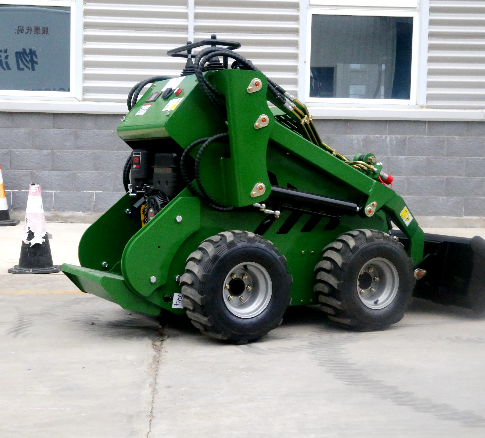
On a busy housing-development site, one contractor ran a compact unit for more than eight hours a day, moving wet aggregate, broken concrete, and stockpiled topsoil between stockpiles and the crusher. The practical question many fleet owners ask is simple: can a typical loader for sale truly hold up when the work never lets up? The honest answer is yes, but only when the machine is specified and maintained for sustained duty rather than occasional yard work. Continuous loading is a different engineering problem from weekend use, and the difference shows up first in heat, then in steel. Overlooking cooling capacity or frame strength turns a productive machine into a breakdown waiting to happen.
Understanding Continuous Heavy Loading Demands
What Defines Long-Time Heavy Loading Cycles
Continuous heavy loading means repeated lift-and-carry sequences with near-maximum material, hour after hour, with only short rests between cycles. A machine bought as a loader for sale for light duties faces very different stress than one engineered for quarry or pit work. Cycle time, return distance, and material density all shape how hard the drivetrain and hydraulics work. Wet clay loads heavier than dry sand, and a full bucket carried far multiplies the fatigue on frames and joints. When the same cycle repeats hundreds of times per shift, small design margins become the difference between a reliable season and a stalled one. Experienced operators learn to read these loads, because the nameplate figure assumes level ground and a centered bucket, while real sites are rarely either.
Reading the Payload Rating Before Buying
The payload rating on the data plate is the first number to check. It states the safe mass per cycle and protects the axle, frame, and tires from overload. A loader for sale with the right payload rating matched to the heaviest realistic load will outlast one pushed past its limit. Exceeding the figure shortens component life and raises the risk of structural fatigue, sometimes with no visible warning until a weld lets go. A careful buyer reads the plate and the axle ratings, not the brochure, before signing.
Hydraulic Cooling and Heat Dissipation
How the Hydraulic Oil Cooler Protects the System
Hydraulic oil heats fast under continuous lift cycles. A dedicated hydraulic oil cooler moves heat away from the fluid so viscosity stays in the safe band. Without strong heat dissipation, seals harden, pumps wear, and cycle speed drops. On a loader for sale intended for all-day use, verify the cooler size and confirm the fan pulls enough airflow through the core, even in high ambient heat. Undersized cooling is the most common hidden weakness in budget machines, and it is rarely obvious on a showroom floor.
Boom Cylinder Load and Heat Control
The boom cylinder does the hardest work during every raise and dump. Sustained pressure builds heat at the rod seal and the cylinder wall, while side loads from off-center buckets add bending stress. Correct oil temperature, clean fluid, and a relief valve set to spec keep the boom cylinder reliable through long shifts. Operators who pause briefly between long cycles help the system shed heat without stopping production, protecting both speed and component life.
Structural Steel and Joint Durability
Structural Welds That Survive Sustained Load
Frames take twisting force at the articulation point and shock at the dump stops. Quality structural weld practice, thicker steel sections, and stress-relieved joints resist cracking far longer than thin stamped parts. A buyer should inspect weld beads for even penetration and look for reinforced gussets around the boom foot and hinge areas. Machines built to recognized standards such as CE and ISO-aligned quality systems tend to document these details, which helps a purchaser compare real durability instead of trusting a glossy photo.
Z-Bar Linkage and Articulation Joint Stress
The Z-bar linkage multiplies breakout force but concentrates load at the pins. When comparing any loader for sale, the articulation joint deserves close attention because it carries full machine weight under twist while the rear frame follows rough ground. Greased, sealed pivot bearings here prevent early wear and keep steering precise. Understanding this stress path explains why some machines outlast others in continuous loading, and why cheap pins fail long before the steel around them.
Maintenance and Procurement Advice
Pivot Greasing and Realistic Service Intervals
Daily pivot greasing at every pin keeps the articulation joint, linkage, and bucket hinges free of grit. A realistic service interval shortens as duty rises: all-day loading may need weekly checks that light use spreads across a month. The well-specified loader for sale reaches its lifespan only when greasing is never skipped and records are kept. Following the maker's schedule, adjusted for real cycling duty, prevents the slow damage that ends a machine early and protects resale value.
Inspection Checklist Before Long-Term Operation
Before committing to a loader for sale for heavy continuous work, check the cooler, welds, tire ply, and hydraulic hoses. Ask for the service history and confirm the CE marking for exported machines, since this signals the model met defined safety thresholds. A short on-site trial under a real load reveals cooling behavior and steering response better than a showroom demo ever will. Documented inspections turn a risky purchase into a predictable asset. It also helps to speak with the current operator, who knows where the machine runs hot or stiff, details no specification sheet will ever list.
A wheel loader for sale used for long-time heavy loading will perform reliably when hydraulic cooling, strong structural steel, and disciplined pivot greasing are all in place. Matching the payload rating to real work and keeping tight service intervals turns a purchase into years of steady output rather than a sequence of breakdowns. The right specification, verified on site, is what separates a machine that survives the shift from one that merely starts it. Durability is not a single feature but the sum of cooling, steel, and routine care.
Frequently Asked Questions
Question
What signs show a wheel loader is struggling with continuous heavy loading?
Answer: Watch for rising hydraulic oil temperature, slower lift speed, and unusual pivot noise. Cracked welds near the boom foot, darkened fluid, and frequent relief-valve activation all point to overload. Addressing these early through better cooling and tighter service intervals prevents costly structural damage during long shifts and keeps the machine earning.
Question
How often should pivot points be greased under heavy duty?
Answer: Under all-day loading, grease every pin daily, especially the articulation joint and bucket hinges. Light-use schedules spread this across weeks, but cycling duty demands far more attention. Clean fittings before greasing to keep grit out. A consistent routine beats occasional heavy maintenance and protects the loader's structural life through demanding seasons.
Question
Why does hydraulic cooling matter more for sustained work?
Answer: Continuous lift cycles generate heat faster than the system can shed it naturally. A hydraulic oil cooler sustains safe fluid viscosity, protecting seals, pumps, and the boom cylinder. Poor heat dissipation causes soft controls and premature wear. Sizing the cooler to the real duty cycle is the practical safeguard for long operating hours and steady production.
Question
Which structural features indicate a durable wheel loader?
Answer: Look for thick steel sections, stress-relieved structural weld beads with even penetration, and reinforced gussets at the boom foot. The Z-bar linkage and articulation joint should use sealed, greased bearings. Frames that resist twist at the hinge outlast thin builds when the machine faces repeated heavy loading every day on site.
Question
Can a wheel loader handle eight-hour daily loading shifts?
Answer: Yes, when specified for the duty. A wheel loader for sale matched to the heaviest load, with a sized hydraulic oil cooler and strict service intervals, performs steadily. A short on-site trial under real material reveals cooling and steering behavior. With correct selection and greasing, eight-hour operation is realistic for most sites.