
 EN
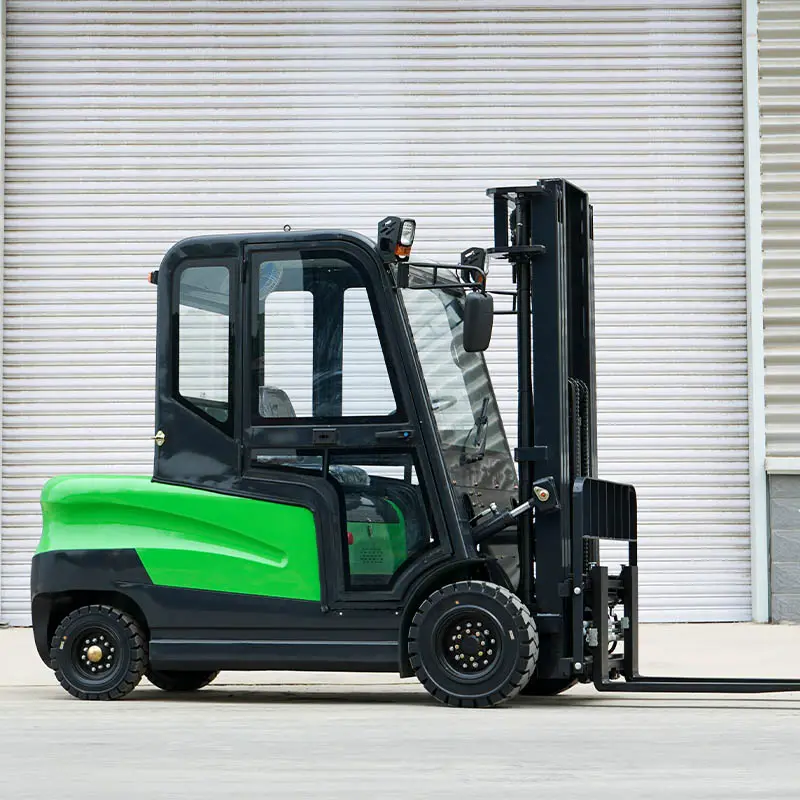
A purchaser seeking a cheap forklift for a warehouse or yard often faces a confusing market where budget-priced new units sit beside refurbished machines. Some refurbished trucks are sound, yet others hide fatigue behind fresh paint. A regional warehouse operator recently compared two seemingly similar units and nearly paid premium money for a dressed-up rebuild. Learning to separate a genuine budget unit from a refurbished-inferior one protects the buyer from downtime and safety risk on the job site.
Start with a pre-purchase inspection checklist
A disciplined pre-purchase inspection prevents most regret when buying a cheap forklift. Before any payment, set aside time to examine documents and the machine side by side. A factory-direct budget unit arrives with consistent paperwork, while a rebuilt truck may show gaps in its service record. Document every finding with photos so comparisons stay objective during negotiation, and bring the checklist to each lot visited.
Read the data plate and serial details
The data plate carries the original model, serial number, and rated load capacity. A genuine cheap forklift keeps a plate that matches its build year and configuration. On a refurbished-inferior machine, the plate may be repainted, mismatched, or missing digits. Cross-check the serial against the manufacturer record when possible, and photograph the plate for later reference during the pre-purchase inspection to confirm the unit is not a clone.
Verify the hour meter against real wear
The hour meter records operating time, yet a rolled-back meter is a classic trick among dishonest resellers. Compare the reading with physical signs: worn pedals, polished controls, and cracked seat foam signal far more hours than the meter shows. A used forklift with low meter but heavy cab wear deserves suspicion. Pair the meter check with the inspection of tires and hydraulics for a true picture of past duty and remaining life. A careful buyer also notes the battery or engine bay for corrosion that signals long idle or flood exposure.
Inspect the mast, forks, and load backrest
The lifting system does the hard work, so its condition reveals whether a cheap forklift was well maintained. Focus the check on the parts that fail first under overload and neglect, because these carry the load and the operator's safety every shift.
Check mast chain tension and hydraulic leak
Mast chain stretch beyond spec means the mast saw overload or poor lubrication. Listen for rough travel and look for cracked links or bright spots that show wear. A hydraulic leak around cylinders or hoses points to seal failure that a quick repaint conceals. Test the tilt and lift under a light load; slow response or drift indicates worn valves. These faults are expensive and common on refurbished-inferior trucks that skipped proper rebuild. Replace the chain and reseal the system before the truck earns its keep, and the cost climbs fast.
Examine fork heel thickness and tire wear
Measure the fork heel against the original thickness stamped on the blade; wear past the limit weakens lifting safety and invites fracture. The load backrest should be intact with no bent braces that could let a load shift. Tire wear patterns tell a story: uneven scrubbing reveals misalignment, while flat spots suggest hard braking. A budget-new unit shows even, shallow wear; an inferior rebuild often hides patched or mismatched tires beneath fresh rubber.
Spot red flags of refurbished-inferior units
Certain clues repeatedly appear on machines that were dressed up for resale rather than rebuilt to a standard. The private builder who spots them early avoids a costly mistake and keeps the project moving.
Fresh paint hiding structural welds
New paint on a used forklift can mask repaired cracks near the chassis or carriage. Run a magnet and a light to find filler, and inspect welds for fresh beads over old breaks. Paint overspray on bolts and bushings shows a hasty cosmetic job done to impress at a glance. A genuine cheap forklift shows uniform factory finish, not spot repairs over hidden damage left by a prior owner.
Mismatched parts on a used forklift
A refurbished-inferior truck may mix brands across the mast, tires, and controls to cut cost. Mismatched components raise compatibility and spare-parts headaches down the road. Confirm that the side shifter, overhead guard, and hydraulics share the original design and rating. Inconsistent fasteners or non-standard hoses are warning signs worth walking away from before the deal closes and the cheap forklift leaves the lot.
Make a confident buying decision
A clear process turns a risky purchase into a measured one, and the final checks confirm compliance before money moves.
Confirm ANSI/ASME B56.1 and CE marks
Safety standards matter for resale and operation. A compliant cheap forklift references ANSI/ASME B56.1 for design and care, and carries CE marking for export to overseas markets. Ask the supplier for the declaration and verify the rated capacity plate against the actual build. Units lacking documentation likely skipped the standard and carry hidden risk that a low sticker price cannot justify for a working site. Keep the paperwork with the machine; it supports future resale and insurance claims.
Summary — protect value with a thorough check
Buyers who invest a few hours in inspection rarely regret it. A genuine cheap forklift shows consistent finish, honest hour meter, sound mast chain, and complete documentation. A refurbished-inferior unit betrays itself through patched paint, mismatched parts, and missing plates. Treat the pre-purchase inspection as the final filter before payment, and the right machine will deliver years of safe service instead of surprise repairs.
Frequently Asked Questions
Question
What is the fastest red flag of a refurbished-inferior forklift?
Answer: Fresh paint over repaired cracks is the quickest warning. Inspect the chassis and carriage with a magnet and light to find filler. A mismatched data plate, missing serial digits, or uneven tire wear also signals a dressed-up unit. Pair these checks with the hour meter reading. A careful pre-purchase inspection exposes most cosmetic cover-ups before money changes hands.
Question
Why does the hour meter need cross-checking?
Answer: The hour meter can be rolled back to inflate value. Compare the reading with physical wear such as polished pedals, cracked seat foam, and worn controls. A used forklift showing low hours but heavy cab wear is suspicious. Testing the mast chain and hydraulics adds confidence. Verifying the meter protects the buyer from paying new-price money for an exhausted machine.
Question
How should the forks and load backrest be checked?
Answer: Measure the fork heel thickness against the stamp on the blade; wear past the limit weakens lifting safety. Confirm the load backrest braces are straight and intact. Look for bends, cracks, or poor welds near the carriage. Uneven tire wear hints at alignment trouble. These checks take minutes yet reveal whether the truck was overloaded or neglected during past service.
Question
Which standard confirms a safe budget forklift?
Answer: ANSI/ASME B56.1 sets design and care rules for powered industrial trucks, and CE marking supports export compliance. Request the declaration and match it to the data plate and rated capacity. A genuine cheap forklift arrives with consistent documentation and honest plates. Units without paperwork likely skipped the standard and carry hidden risk that a low price cannot justify.
Question
Can a pre-purchase inspection replace a test run?
Answer: No single step is enough on its own. A visual pre-purchase inspection finds paint, plate, and weld issues, while a loaded test run reveals mast chain drift, hydraulic leak, and sluggish response. Combine both for the clearest result. Buyers who skip the test run risk missing valve or seal faults that appear only under real load on the job site.