
 EN
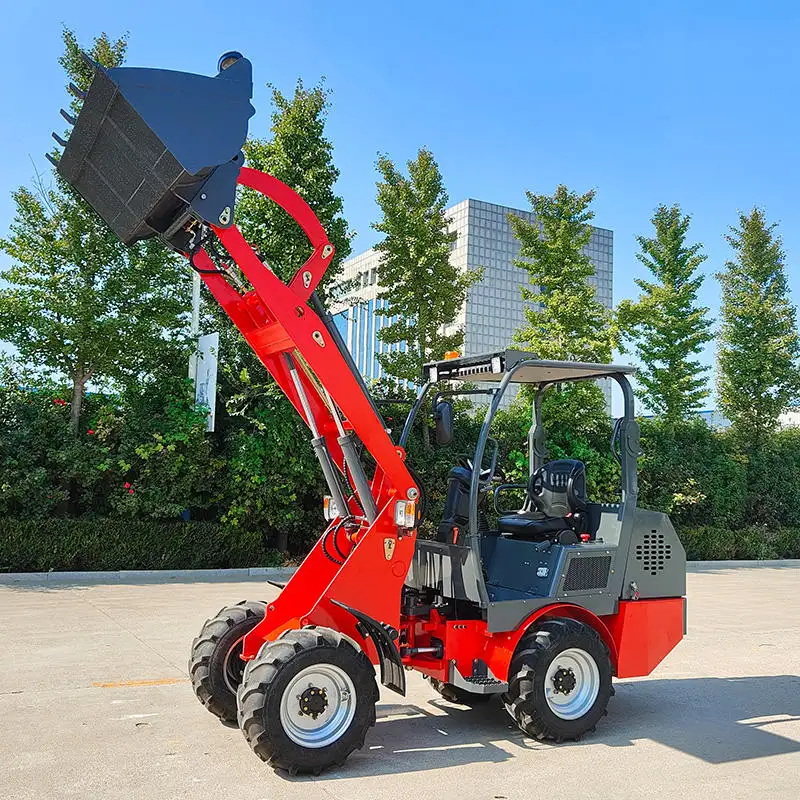
A landscaping crew often faces the same puzzle: a backyard has tight gates, soft lawns and planted beds that cannot be damaged. A mini loader solves this when it is chosen for the actual site rather than for the catalogue photo. This guide walks through the practical checks that separate a good fit from an expensive mistake, and it keeps the focus on gardens rather than construction yards.
Last spring a landscaping crew on a suburban block learned this the hard way. A 48-inch machine was delivered, but the rear gate measured only 44 inches. The crew spent two days hand-carrying soil and stone until a narrower unit arrived. The lesson was simple: measure the route first, then buy the machine, because the wrong width turns a tool into dead weight.
1. Measure Access: Width and Narrow Pathways
Why width decides access on narrow pathways
The first limit is physical. A mini loader that cannot pass the side gate is useless before the engine starts. Measure the narrowest point on the whole route: garden gates, cellar steps and path bends. Many residential paths sit between 36 and 48 inches wide. Choose a total machine width at least two inches under that number so it clears without scraping walls or frames. A landscaping crew that arrives with a too-wide unit loses the whole first day to manual barrow work and angry clients.
Garden tractor vs a small loader for tight yards
Owners sometimes compare a garden tractor with a mini loader. The tractor mows and tows lightly, but it lacks a hydraulic arm and a quick-attach plate. For lifting pavers, moving soil or digging, the loader wins clearly. The trade-off is cost and storage space. Where the only task is mowing, keep the tractor; where materials move every week, the loader earns its corner of the shed. Match the tool to the repeating job, not to a single weekend project. Renting the wrong class wastes money, since a tractor cannot trench or grade and the job still needs a loader later.
2. Protect Turf and Soil
Turf tires and ground pressure
Lawns recover slowly from damage. Turf tires spread the machine weight over a larger footprint than industrial lug treads, lowering ground pressure. Look for a wide, low-profile tire and consider a slightly larger contact patch when the soil is damp. A lighter machine with turf tires leaves a faint track that rakes out, while a heavy unit with bar lugs cuts ruts that last a season. The mini loader with the right tire protects the lawn as much as the plants.
Avoiding soil compaction during work
Soil compaction hurts root growth for many seasons. Plan routes and avoid repeated passes on the same line. Keep tire pressure in the soft range recommended by the maker, and never spin wheels on wet ground. For tree planting and bed work, lay boards or mats under the tires on saturated days. Wet clay is the worst case: one pass can seal the surface for a year. Test the ground with a screwdriver; if it sinks, wait for drier weather or lay mats. A thoughtful operator protects the soil as carefully as the shrubs, because compacted beds cost more to fix than the original landscaping job.
3. Match Lift Specs and Attachments
Reading breakout force and hinge pin height
Two numbers decide real work. Breakout force shows how hard the bucket curls against a load; hinge pin height shows how high material clears a truck or wall. For garden walls and raised beds, a higher pin reduces spillage and strain. When specifying a mini loader, match breakout force to the heaviest material, such as wet clay or stone, not to light mulch. Under-specifying here causes slow, frustrating days and unnecessary hydraulic heat. Also check the rated operating capacity, not just breakout, because lifting a wet pallet of stone tests both the arm and the tires. A margin of twenty percent keeps the hydraulics cool and the machine stable on slopes, which matters near raised beds and retaining walls.
Mulching, tree planting and material handling
Attachments turn one machine into many. A standard bucket moves soil and mulch; a grapple handles branches; an auger speeds tree planting. For mulching beds, a low, wide bucket spreads evenly without burying small plants. A mini loader with a grapple also shifts green waste off the lawn in minutes. A landscaping crew gains most value by matching three attachments to the jobs repeated each week, rather than buying every option on the shelf.
4. Drive System, Inspect and Maintain
Why hydrostatic drive suits landscaping crews
Hydrostatic drive gives smooth, creep-speed control with one pedal, ideal near delicate beds and fences. It removes clutch fatigue on long days and lets a novice hold a straight edge along a border. A mini loader with hydrostatic drive, paired with responsive auxiliary hydraulics, places stone and soil precisely without sudden lurches that scar turf. On a slope, creep control prevents rollback and keeps the bucket level while the operator repositions. The control matters more in a garden than raw speed, where a small mistake marks the lawn for months.
Inspect before purchase and daily care
Before buying, check the data plate, hour meter and hydraulic lines for leaks; confirm the CE marking and request the ISO-aligned inspection record. On site, grease pivots daily, store the unit under cover and wash mud from the undercarriage. A mini loader kept clean and serviced on schedule costs less per hour and holds value better at resale. Inspect the tires, controls and coupler each morning, and keep a simple log so worn parts get replaced before they fail. Ask for a filmed walkaround of the exact unit, not a stock photo, and verify the serial plate matches the paperwork. A clear service log signals a cared-for machine and makes later resale far easier for the next owner.
Frequently Asked Questions
Question
What size mini loader fits a standard garden gate?
Answer: A standard garden gate often measures 36 to 42 inches. Pick a model with total width at least two inches narrower to pass safely with clearance for hinges and uneven walls. Also consider bucket width when attached, because a wide bucket adds inches at the sides. Measure the tightest point on the route, not the widest opening, because the unit must clear every bend. A narrow pathway plan prevents costly on-site surprises and rework.
Question
How do turf tires protect a lawn during landscaping?
Answer: Turf tires use a wide, low-profile tread that lowers ground pressure and spreads machine weight across more lawn. This reduces ruts and lets grass recover faster than industrial bar lugs. Keep pressure in the soft maker range and avoid spinning wheels on wet soil. For sensitive beds, lay plywood or rubber mats under the wheels. A landscaping crew preserves turf by planning routes and limiting repeated passes over the same line each day.
Question
Which attachments help with tree planting and mulching?
Answer: An auger digs clean holes for tree planting in minutes, while a low wide bucket spreads mulch evenly across beds. A grapple clears branches and green waste without manual lifting. Match the coupler to the machine and confirm hydraulic flow before purchase. Three well-chosen attachments cover most weekly landscaping tasks and save far more time than a single bucket alone. Prioritize the tools used every week over rarely needed specialty plates.
Question
Why does hydrostatic drive matter for garden work?
Answer: Hydrostatic drive delivers smooth creep-speed control with one pedal, letting operators work close to fences, beds and young plants without sudden lurches. It removes clutch fatigue on long shifts and helps novices hold a steady line. Combined with responsive auxiliary hydraulics, it places stone and soil precisely. This control protects delicate turf and improves daily safety around the yard, where a small mistake can mark a lawn for an entire growing season.
Question
What should buyers check before purchasing a unit?
Answer: Inspect the data plate, hour meter and hydraulic lines for leaks, and confirm the CE marking with an ISO-aligned inspection record. Test the coupler, controls and brakes on site, then review service history and spare-part availability. A pre-purchase inspection reveals hidden wear and prevents surprise repairs. Choose a supplier that offers clear documentation and reasonable local support, because accessible parts keep the machine earning its keep.