
 EN
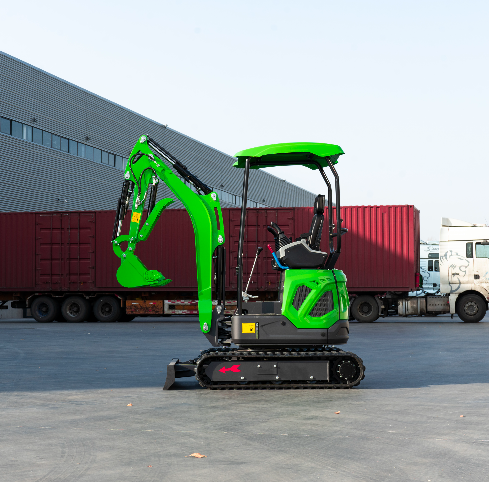
A private owner tackling a property renovation rarely needs a fleet of heavy iron. The appeal of the mini skid loader is precisely its scale: it handles the digging, hauling, and grading a small job demands without the footprint of a full-size machine. For homeowners and independent builders, the math is simple — one nimble unit replaces several manual steps and avoids paying large crews with bulky equipment.
Why private builders are switching to compact equipment
Real scenario: a homeowner renovation that ran over budget
Consider a homeowner in an older suburb who bought a dated bungalow and planned a rear extension. The yard was fenced, the side passage barely wider than a wheelbarrow, and the topsoil had to come out before the slab went down. A contractor quoted a full-size skid steer plus a dump truck, but access was impossible. The mini skid loader solved it: the owner hired one for the weekend, dug out the soil through the gate, and moved it to the street in a dozen small loads. What looked like a four-figure access problem became a few hours of controlled work. The owner later noted that the same machine also cleared the trench for new drainage and moved the spoil to the front, so a single weekend covered three separate trades. That bundling is the quiet advantage private builders notice first, since each avoided return visit saves calendar days and call-out fees.
Lower operating cost versus a full-size machine
A compact loader burns less fuel, needs less hydraulic oil, and asks far less of the operator's attention than a cab-mounted unit. The operating weight stays low enough that it will not crush fresh landscaping or crack a new driveway. On a typical property renovation, the mini skid loader keeps more of the budget in the project. Private builders watch margins closely, and a smaller machine protects the surrounding ground from avoidable repair bills.
Compact size opens tight jobsite access
Fitting through gates and narrow pathways
Jobsite access decides whether a task is even possible. Many backyards, basement entries, and courtyard builds sit behind a standard gate or a narrow side return. A full machine simply cannot pass. The mini skid loader threads these gaps, reaches the work area, and returns without dismantling fences. That single capability turns an "equipment cannot fit in there" objection into a normal afternoon task, which is exactly why small builders reach for it first on confined plots. Crews often underestimate how much a tight entry adds to a quote, so removing the barrier with a smaller machine shrinks the job's labour line.
Tracked chassis and turning radius for confined yards
A tracked chassis spreads the load and grips soft or uneven ground where wheels would rut. Pair that with a tight turning radius and the mini skid loader pivots inside its own length, working along a wall or around a tree without constant repositioning. In a confined yard this matters: the operator completes edging, trenching, and clearing without damaging the very space being improved. Controlled movement is safer and cleaner than brute force.
Versatility through attachments and hydraulic power
How the hydraulic system drives auxiliary hydraulics
The core of the machine is its hydraulic system. A mini skid loader relies on engine power turned into fluid pressure, and that pressure runs both the drive and the tools. Auxiliary hydraulics route flow to an attachment, so the same pump that moves the tracks also turns an auger or lifts a grapple. Understanding this helps a buyer match flow and pressure to the jobs ahead, rather than owning several single-purpose machines that sit idle between tasks. Buyers should also confirm the auxiliary flow rating in litres per minute, because an underspecified pump will starve a high-demand tool and slow every cycle on site. Reading the data plate before purchase prevents buying a tool that fits but cannot be powered.
The attachment coupler makes one machine do many jobs
The attachment coupler is the interface that unlocks versatility. With a quick change, a mini skid loader becomes a trencher, a bucket carrier, a post-hole drill, or a brush cutter. For a private builder, that means one purchase covers excavation, landscaping, and cleanup across a season. The coupler standard keeps options open as the project list grows, so the equipment scales with the owner.
Low transport cost and the rental alternative
Hauling on a small trailer without CDL
Transport is where many owners lose money on big equipment. A mini skid loader sits on a light trailer behind a regular pickup, no commercial licence required. Fuel to the site drops, parking is easy, and the machine can move between several small jobs in a single day. Low operating weight keeps the whole rig within legal limits, so a private builder stays compliant without hiring a haulage firm for every move between sites. That independence matters on a renovation spread across two addresses, where waiting on a transporter can stall the schedule and push the finish past a booked inspection.
When a rental alternative beats ownership
Not every owner needs to buy. A rental alternative makes sense for a one-off build or a seasonal task: pay for the weeks of use, return the machine, and avoid storage, servicing, and depreciation. For a homeowner finishing a single property renovation, renting often costs less than ownership once the hidden tasks are counted. The flexibility lets a small builder match spend to the actual workload instead of carrying idle steel.
The mini skid loader earns its place on private sites because it fits the work, the budget, and the access. Compact enough for a backyard, strong through its hydraulic system, and cheap to move, it turns small builds into manageable tasks. For independent owners, that combination of size, versatility, and low transport cost explains why the machine keeps showing up on small construction projects.
Frequently Asked Questions
Question
Which jobs suit a compact loader?
Answer: Compact equipment fits residential and light commercial work where space is tight and loads are modest. Typical tasks include garden clearing, trench digging, slab prep, and material handling across a property renovation. It struggles with deep excavation or heavy aggregate movement that needs a larger frame. Owners choose it when access and footprint matter more than raw breakout force, keeping the work controlled and the ground undamaged.
Question
How much can a compact loader lift safely?
Answer: Safe lift depends on operating weight, tyre or track setup, and the rated load at the hinge. Most mini units move a few hundred kilograms of payload with stability, not the tonnes of a wheel loader. Operators should read the data plate, keep loads low and centred, and avoid side slopes. Staying within the published rating protects the machine and the surrounding structures during daily small-site handling.
Question
Can one machine handle both digging and grading?
Answer: Yes. The attachment coupler lets the same base unit switch from a digging bucket to a grading blade or auger in minutes. Auxiliary hydraulics power each tool from the same pump, so a private builder covers excavation, levelling, and post setting without extra machines. Planning the task order around shared attachments saves time and keeps the jobsite uncluttered between stages of the build.
Question
Is professional training necessary before first use?
Answer: Formal licensing is not always required for mini units, yet basic instruction prevents damage and injury. New owners should learn controls, load limits, and shutdown steps from the manual or a short course. ANSI and OSHA guidance on compact equipment supports safe habits on slopes and near edges. A few hours of training reduces costly mistakes far more than the time it takes to complete.
Question
What maintenance keeps the machine reliable?
Answer: Reliable service comes from daily checks and scheduled care. Inspect tracks or tyres, clean debris from the undercarriage, and verify hydraulic fluid and grease points each week. Store the machine dry and follow the service interval for filters and oil. A mini skid loader rewards steady attention with fewer breakdowns, so small builders keep projects moving instead of waiting on repairs during peak building season.