
 EN
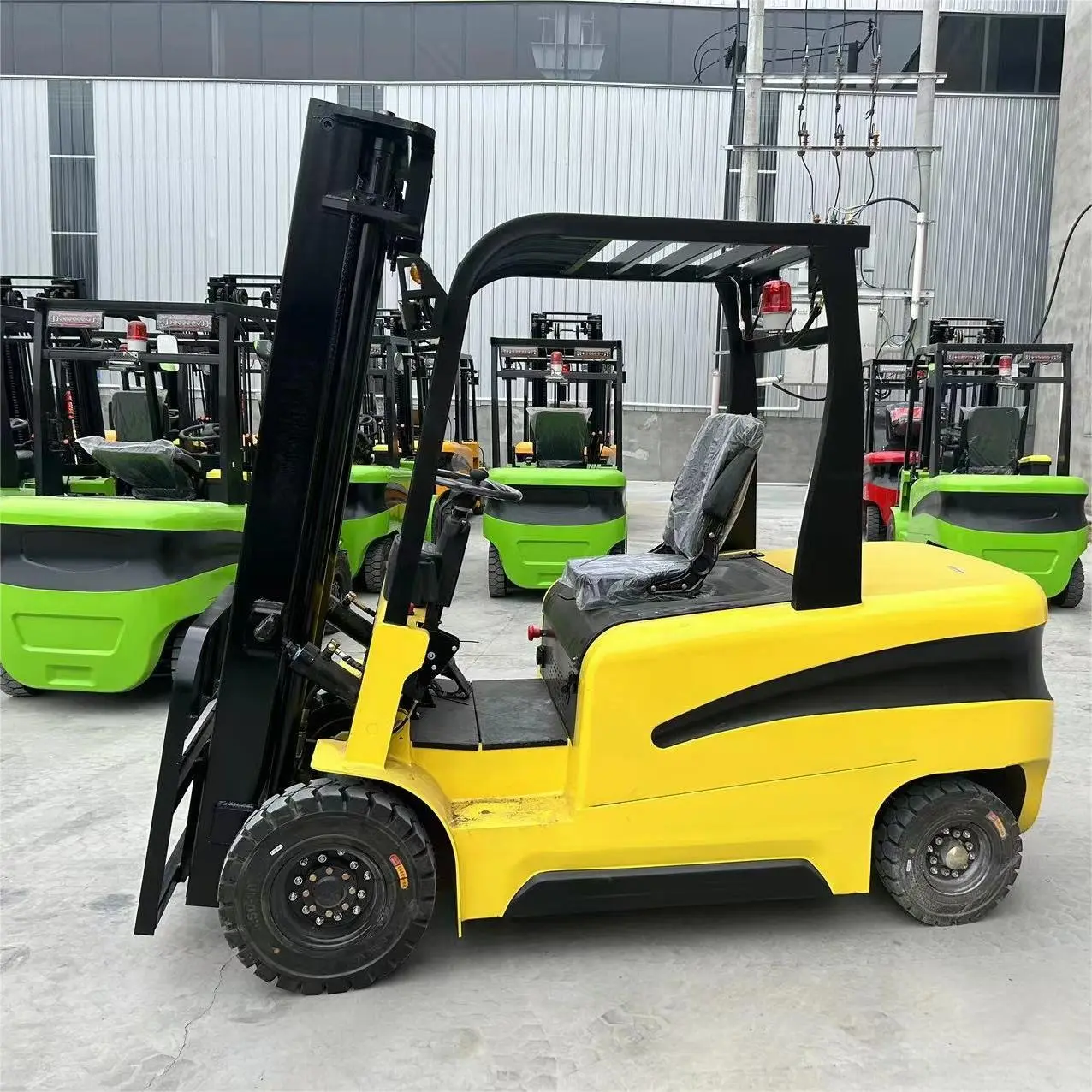
Selecting compact earthmoving equipment requires balancing physical dimensions, hydraulic capabilities, and terrain demands. Construction contractors rely heavily on a skid loader to navigate narrow alleys, execute precision backfilling, and maneuver across congested work zones where full-sized machines cannot operate. Choosing an improper frame size or lift profile leads to structural fatigue, elevated fuel consumption, and job site delays. Project managers must evaluate specific site parameters before committing capital.
Site Evaluation and Sizing Considerations
Matching Operating Capacity to Job Demands with a Skid Loader
Rated Operating Capacity represents the primary sizing metric for compact equipment. Standard engineering practice defines this threshold as fifty percent of static tipping load for wheeled units under SAE J818 benchmarks. Light utility work, interior demolition, and residential trenching function efficiently with a skid loader rated below 750 kilograms. In contrast, commercial framing, heavy pipe placement, and dense aggregate transport demand machines exceeding 1,000 kilograms of lift capacity. Deploying an undersized machine strains boom cylinders, prompts hydraulic fluid overheating, and risks structural weld cracking over continuous operational shifts.
Real Commercial Case: Overcoming Confined Urban Space Constraints
During a multi-story infill redevelopment project in downtown Chicago, an excavation contractor encountered severe space limitations. The job required digging utility footings through an existing 1.3-meter alleyway and moving 900-kilogram pallets of drainage aggregate without scratching historic brick structures. Initial attempts utilizing a standard backhoe stalled due to turning clearance bottlenecks. The site supervisor deployed a compact skid loader configured with vertical lift arms and a high-torque hydrostatic transmission. The machine negotiated the narrow corridor smoothly, unloaded delivery flatbeds directly into building entryways, and completed aggregate backfilling. Operating cycle times improved by 28 percent, labor costs dropped, and site preparation concluded five working days ahead of schedule.
Mechanical Architecture and Hydraulic Systems
Radial Versus Vertical Lift Arm Geometry
Arm linkage geometry dictates material handling efficiency across varying job elevations. Radial lift configurations swing the bucket through an outward arc, achieving peak forward reach at the midpoint of the lift cycle. This motion profile excels at flat-grade digging, spreading topsoil, and dumping material over flatbed truck sidewalls. Conversely, vertical lift arm linkages maintain the bucket closer to the machine center of gravity, ascending almost straight upward to deliver maximum reach at full hinge-pin height. A vertical lift skid loader provides exceptional balance when loading high-sided tandem dump trucks, stacking heavy pallets, and placing structural masonry blocks without destabilizing the rear counterweight.
Auxiliary Hydraulic Flow and Attachment Versatility
Engine horsepower drives the main pumps, but auxiliary hydraulic flow governs attachment productivity. Standard auxiliary hydraulic circuits produce 60 to 80 liters per minute at 3,000 PSI, which effortlessly operates standard earth buckets, utility pallet forks, and light augers. Heavy mechanized tools, including asphalt cold planers, heavy rock saws, and high-impact hydraulic breakers, require high-flow auxiliary circuits pushing 110 to 150 liters per minute. Selecting a capable skid loader equipped with high-flow auxiliary lines and flat-face quick couplers expands attachment versatility, eliminating the expense of renting standalone power units for specialty demolition projects.
Risk Mitigation and Fleet Sourcing Guidelines
Operational Hazards and Rollover Prevention Standards
Operator error remains a leading cause of mechanical breakdowns and rollover accidents. Transporting heavy payloads with fully raised boom arms on uneven grades shifts the vehicle center of gravity beyond lateral tipping thresholds. Reversing down steep inclines with an empty bucket or driving across slopes with an elevated load drastically increases rollover danger. Utilizing a well-balanced skid loader fitted with certified rollover protective structures mitigates operator injury risks while protecting drive motors from shock loading. Equipment must satisfy ISO 6165 design terminology and ISO 14397 tipping load calculation rules. North American job sites enforce OSHA 29 CFR 1926.602 safety rules, requiring certified Rollover Protective Structures (ROPS) and Falling Object Protective Structures (FOPS) meeting ISO 3471 and ISO 3449. Enforcing site travel protocols, mandatory seat belt interlocks, and level-ground transit rules maintains steady job site safety.
Pre-Purchase Inspection and Maintenance Protocols
Thorough equipment inspection prevents unexpected downtime. Fleet managers should inspect boom hinge pins for lateral play, check cylinder rods for pitting, and examine chassis welds near axle mounts for structural fatigue cracks. Inspect fluid condition; milky hydraulic fluid indicates water contamination, while dark, burnt engine oil suggests chronic thermal breakdown. Establish rigorous maintenance schedules: grease all pivot points every ten working hours, inspect hydraulic lines weekly, and replace filtration elements every 250 operating hours. Investing in a durable skid loader supported by accessible replacement wear parts guarantees lasting asset performance across demanding building cycles.
Selecting the ideal skid loader requires aligning rated capacity, auxiliary hydraulic capability, and chassis dimensions with specific job site conditions. Prioritizing robust lift geometry, international safety compliance, and straightforward maintenance access ensures continuous productivity, keeping building projects on schedule while preserving equipment capital over years of rigorous service.
Frequently Asked Questions
Question: How do contractors determine the correct skid loader size for a project?
Answer: Contractors evaluate maximum anticipated payload weights, site entrance clearances, and dump height requirements. Selecting a machine where average working loads equal approximately seventy percent of rated operating capacity prevents hydraulic overheating and premature structural wear. Confirming overhead electrical clearances and ground bearing limits ensures the unit moves freely without causing subgrade settlement.
Question: Why is vertical lift arm geometry preferred for pallet handling?
Answer: Vertical lift arm geometry moves the bucket or forks along a near-vertical plane, keeping heavy materials closer to the machine center of gravity. This mechanical alignment provides superior balance at full pin height, permitting safe placement of heavy brick pallets onto flatbed trailers. Radial arms swing outward mid-height, reducing forward stability when handling dense loads.
Question: When should buyers specify high-flow auxiliary hydraulics on a machine?
Answer: High-flow auxiliary hydraulics become essential when powering demanding, continuous-duty attachments such as asphalt planers, rotary trenchers, rock saws, and heavy forestry cutters. Standard hydraulic flow easily powers ordinary digging buckets, grapples, and small post hole augers. Specifying high-flow capability broadens fleet versatility, preventing hydraulic motor stalling and excessive oil heating during tough demolition tasks.
Question: What daily pre-operation checks prevent unexpected mechanical failures on site?
Answer: Operators must inspect engine oil levels, hydraulic fluid sight glasses, radiator coolant reserves, and air intake pre-cleaners before daily startup. Walking the machine perimeter to detect weeping hydraulic hoses, verifying grease on pivot bushings, and clearing packed mud from wheel rims prevents unexpected component wear. Draining fuel-water separators protects high-pressure common-rail fuel pumps against moisture damage.
Question: Which job site conditions favor rubber tracks over standard pneumatic tires for a skid loader?
Answer: Unpacked soil, deep mud, soft sand, and steep slopes favor rubber tracks because they distribute machine weight over a large surface area, reducing ground pressure to under 4.5 PSI. Pneumatic tires excel on hard asphalt, cured concrete, and rocky surfaces, offering faster ground speeds, lower replacement costs, and zero risk of track de-spooling.