
 EN
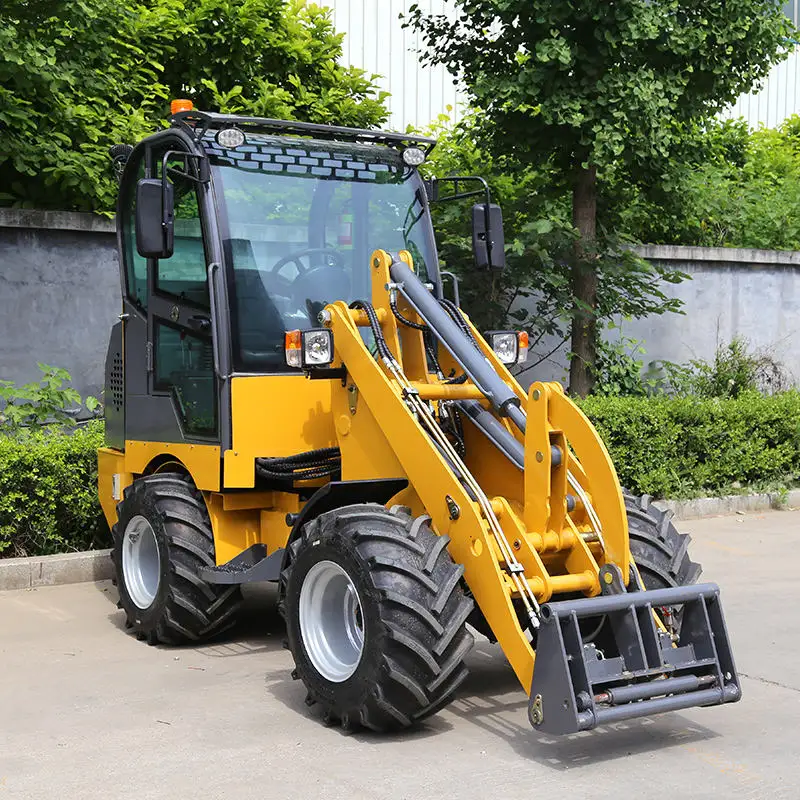
Choosing equipment by catalogue photo often ends in the wrong machine on the wrong ground, because the working condition decides everything that matters. A loader for sale should be specified for the soil, slope, and task it will actually meet, not for the headline number on the datasheet. A correct match keeps the machine productive and safe; a wrong one leaves it sunk, blocked, or sitting unused beside the job it cannot do.
A Rental Match That Went Wrong
Background and the Muddy Site
The first loader for sale a customer picked ignored the muddy site and arrived as a heavy wheeled unit with narrow tires. Within minutes it sank on the access track, blocking the delivery and forcing a second machine just to recover the first one. The delay rippled into the whole schedule, because the crew could not reach the trench line until the access was cleared and the stuck unit was pulled free. The sales photo had shown the machine on dry pavement, which hid the narrow tire width that later proved fatal on the lane. The customer had trusted the headline lift number over the ground the unit would actually meet each morning. A five-minute call about soil type would have steered the order toward a lighter, wider footprint before the truck ever left the depot.
The Solution — the Right Loader for Sale
The corrected loader for sale was a mini unit with wide flotation tires and a light footprint. It crossed the same mud without sinking, and the operator finished the trench line the heavy unit could not reach, which turned a failed morning into a completed job. Because the lighter machine also fit through the site gate, it reached spots the wheeled unit had been physically unable to enter at all. The swap cost the rental house a half day of coordination but saved the full delivery window and the client's trust. Operators reported the lighter machine easier to trailer between sites, which mattered for a business running several scattered jobs in one week. The wider tire also meant less turf repair afterward, trimming the restoration bill the heavy unit would have left behind.
The Effect — Job Finished Without Recovery
The right loader for sale finished the work without a single recovery, protecting the rental window and the client's schedule. The customer learned to specify by ground and task first, which changed how every later order was written and avoided repeat delays. The rental house later added a one-line site questionnaire to its quote form, because the fix had cost far less than the recovered machine and the lost day.
Map Working Condition to Loader Type
Soft Ground, Slope, and Ground Pressure
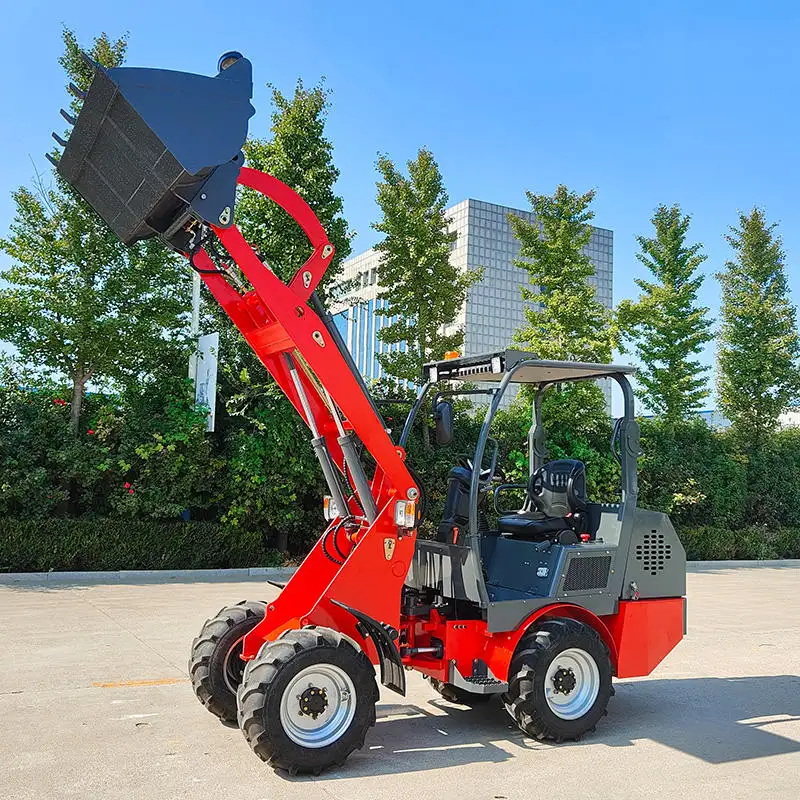
For soft ground, the loader for sale needs low ground pressure and wide contact, so it floats instead of rutting. On side slopes the machine needs a low center of gravity and a rated angle that matches the grade, because tipping risk grows with every degree the site adds. A buyer who measures the actual slope before ordering avoids the dangerous surprise of a machine rated for flat ground meeting a ten-degree embankment.
Task and Attachment Matching
The loader for sale must also carry the right attachment for the task, since a bucket, auger, or grapple changes the load and the balance. Matching the hydraulic flow to the implement prevents strain and keeps the compact unit productive across digging, lifting, and material handling in one shift. A quick-coupler that fits the customer's existing tools also protects earlier investment and shortens the changeover between jobs on a mixed site.
Skid Loader vs Mini Loader
A skid loader turns sharply in tight yards but needs firmer ground, while a mini loader crosses softer ground with its light build. The right unit should follow the dominant condition: firm and confined favors skid, wet and open favors mini, and mixed sites need the compromise the budget allows. Stating the worst daily condition, not the easiest, keeps the recommendation honest and the machine working when the weather turns. Wheelbase and tracking width also decide whether the unit threads between stored materials without scraping racks or fences along the route. A confined urban lot rewards the tighter turning circle, while a spread-out farm yard tolerates the longer frame that carries more stability. Reading the site plan before quoting prevents the common error of sizing the machine to the task alone.
Checks Before a Loader for Sale Ships
Rated Capacity and Hydraulics
Before any loader for sale ships, verify rated capacity against the heaviest routine load and test the hydraulics from a standstill. Confirm lift, steer, and brake response, and check the undercarriage for damage, because a clean, responsive machine protects the buyer from a hidden fault on arrival. A short video of the pre-ship test, sent with the documents, also resolves most disputes before the unit reaches the customer's gate.
Documents and Site Fit
The unit should ship with ISO 20474 and ISO 12100 documents, CE marking, and OSHA 1926 and ANSI alignment for the market. Confirm the width, weight, and attachment mount fit the actual site, so the machine works on the customer's ground rather than sitting unused beside it. A dimension check against the narrowest gate and the weakest floor often decides whether the purchase earns its place or becomes an expensive reminder of a missed measurement.
Summary
Choose a loader for sale by the working condition: ground, slope, and task decide skid or mini. Verify rated capacity and hydraulics, confirm ISO 20474, ISO 12100, and CE, and match the attachment to the job so the machine earns its place on site.
Frequently Asked Questions
Question
How do I pick the right unit for my ground? Match a loader for sale by ground type, slope, and task before reading the spec sheet. Soft ground needs low ground pressure and wide tires, while slopes need a low center of gravity and a rated angle. Confirm the attachment mount and hydraulic flow fit the job, and check ISO 20474 and CE documents with the unit at delivery.
Question
Skid loader or mini loader for wet ground? For wet, open ground a mini loader crosses with its light build and wide tires, while a skid loader suits firmer, confined yards. The choice follows the dominant condition, so specify the machine for the worst hour on site rather than the mild average. Mixed sites need the compromise the budget allows after weighing both surfaces.
Question
What ground pressure should I check? Lower contact pressure means better flotation, so compare the rated ground pressure against the softest soil the job meets. Wide tires spread the load and keep the tire above the failure point. Ask the supplier for the figure and match it to the wettest condition, because sinking stops the work faster than any feature on the datasheet.
Question
Which attachment should come first? Match the attachment to the main task, since a bucket, auger, or grapple changes load and balance on the machine. Verify the hydraulic flow suits the implement, and start with the one task the site repeats most. A correct first attachment makes the unit productive across digging, lifting, and handling in a single shift without delay.
Question
What documents prove the build is sound? Ask for ISO 20474 and ISO 12100 alignment, CE marking, and OSHA 1926 and ANSI confirmation for the market. These show the design was assessed for real loads and slopes, and they ease customs and jobsite checks. A unit without them risks rejection at receiving or failure under the first hard task on site.
Question
How do I avoid buying the wrong machine? Specify by working condition first: soil, slope, and task, then read the datasheet. Verify rated capacity, test hydraulics from a standstill, and confirm the width and mount fit the site. A short site visit and a clear spec prevent the sunk, blocked, and delayed outcome that wastes the rental window.