
 EN
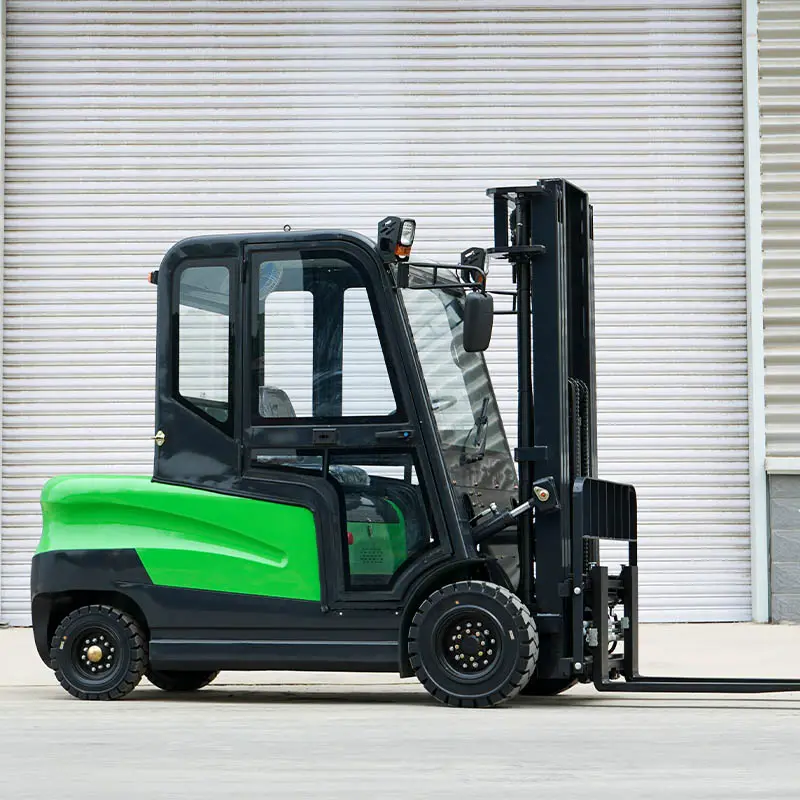
A cheap forklift for short-distance cargo handling answers a narrow but common need: moving pallets a few dozen meters between truck, rack, and staging without paying for capacity the loop never uses. The right power type keeps energy and service costs low while the truck stays inside its rated envelope on every short run. For a yard where the same pallet travels the same short lane all day, the power choice drives most of the lifetime cost.
A Yard Case of Short Hauls
Background and the Cost Pressure
The yard first weighed a premium truck against a cheap forklift for the same loop, because a tight margin on each pallet made the upfront quote matter as much as the runtime. Management wanted proof the low-cost unit could survive daily shuttling before signing the order. The existing diesel had aged into a maintenance sink, and every breakdown during peak season pushed overtime that erased the savings the truck was meant to deliver. Finance had modeled the payback on a three-year horizon, and the budget unit closed the gap within the first season once fuel and service dropped out. The old diesel also smoked at start-up, drawing complaints from the neighbor who shared the access road. Replacing it became less a question of if and more a question of which low-cost model would hold up under the daily load.
The Solution — a Cheap Electric Forklift
Choosing a cheap forklift with an electric drivetrain removed the fuel line and most engine service from the equation. Supervisors ran it on the busiest dock for a month, tracking cycle time and fault codes, then extended the model to the second aisle once the numbers held. The quiet cabin also improved operator retention on the early shift, which the yard had not expected from a budget purchase. Charging happened overnight on a standard outlet, so the truck met the first pallet of the morning at full state of charge without a dedicated energy contract. The maintenance lead noted that fault codes dropped to near zero once the combustion heat and vibration left the design. Training took a single afternoon, since the pedal layout mirrored the legacy truck the crew already trusted.
The Effect — Fast Payback
The cheap forklift paid back through reduced energy and fewer breakdowns than the aging diesel it replaced. Operators appreciated the quiet, fume-free cabin, and the yard avoided the mid-shift refueling that had once stalled the short loop during peak hours. Within two quarters the energy saving alone covered the price gap with the premium unit, and the maintenance calendar shrank to a fraction of the old plan.
Which Power Suits a Cheap Forklift
Electric for Indoor Short Hauls
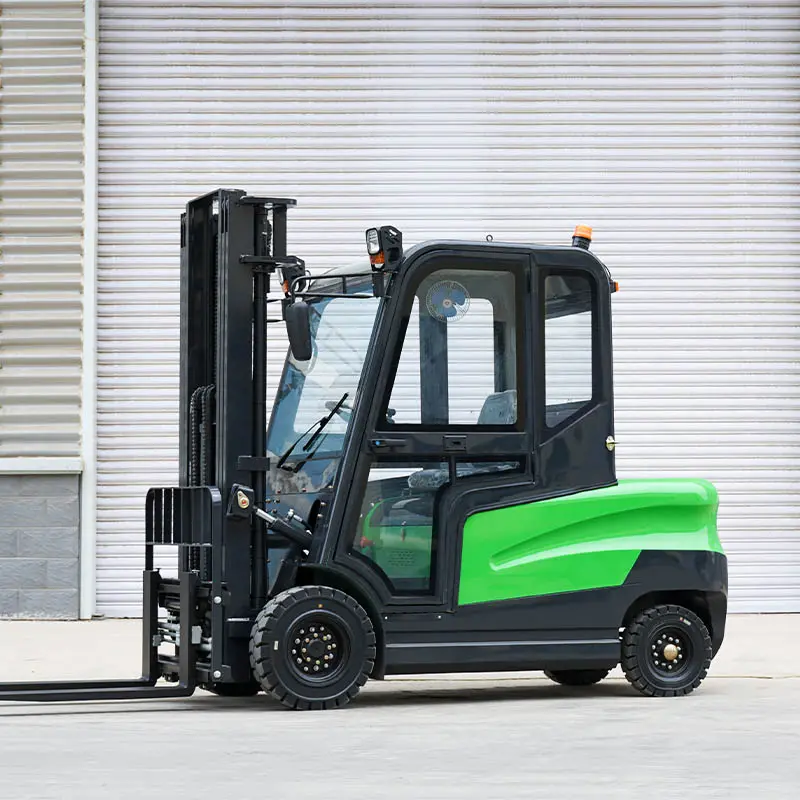
An electric cheap forklift fits indoor short hauls with no exhaust and simple charging at the loop end. Battery range covers a full shift of stop-start travel, and sealed components cut the service list that drives total cost on a budget truck. For a warehouse where the truck never leaves the building, the electric option removes fuel storage and the related safety paperwork entirely.
LPG for Mixed Indoor-Outdoor Yards
An LPG cheap forklift serves mixed indoor-outdoor yards where a single truck must cross the dock door and the yard alike. The fuel swaps in minutes and avoids charging downtime, though indoor use needs good ventilation to manage the exhaust at the loop. Sites that already run LPG elsewhere gain a simpler fuel supply chain, since the same cylinder serves the yard and the short indoor run.
Diesel Only When Distance Grows
Diesel makes sense only when the haul lengthens or the duty turns continuous, because the engine then earns the range and torque. For pure short-distance cargo handling, the heavier drivetrain adds cost and service the loop does not need. Specifying diesel on a short loop usually means paying for capacity and maintenance the operation will never use, which quietly raises the true cost per pallet. Emissions rules also push diesel into filters and exhaust treatment that add both price and a service step the short loop cannot justify. A site running one short aisle rarely has the volume to amortize that complexity across enough hours. On a tight budget the simpler electric or LPG path keeps the truck inside the rules without a technician on call for regeneration cycles.
Procurement and Checks
AQL Inspection and Documents
Buying a cheap forklift still demands AQL inspection at the container and the paperwork that proves the build. Ask for ISO 3691 and ISO 12100 alignment, CE marking, OSHA 1910.178 operator rules, and ANSI guidance on industrial trucks, since a low price means little if the truck fails the receiving audit or the jobsite check. A documented inspection at the port also protects the buyer when a defect surfaces after the warranty clock has started.
Maintenance and Spare Parts Plan
The low-cost truck stays reliable with a spare parts plan and a simple service calendar. Stock the wear items the short loop actually consumes, train operators to log impacts, and keep the hydraulic and brake checks on schedule so the budget truck does not become a downtime trap. A small on-site parts bin turns a would-be day-long wait into a half-hour fix, which keeps the short loop moving through the busy season.
Summary
A cheap forklift for short-distance cargo handling suits electric for indoor loops and LPG for mixed yards, with diesel only when the haul grows. Inspect to AQL, confirm ISO 3691, ISO 12100, and CE, and plan spare parts so the low-cost truck stays available.
Frequently Asked Questions
Question
Does a low-cost truck fit short pallet moves? A cheap forklift for short-distance cargo handling works when travel stays under a few hundred meters and the duty is stop-start rather than continuous. Electric suits indoor loops, while LPG fits mixed yards. Inspect to AQL, confirm ISO 3691 and CE, and plan spare parts so the low-cost truck stays reliable on the short run every day.
Question
Which power type saves more on short runs? Electric wins for indoor short hauls because it removes fuel and most engine service, which lowers total cost on a budget truck. LPG helps mixed yards with quick refueling, and diesel only pays off when distance or duty grows. Match the power to the loop rather than the lowest sticker price alone when specifying the unit for the site.
Question
Does a low-cost truck need less maintenance? No, the service interval stays similar, so the budget unit needs the same hydraulic and brake checks on schedule. The saving comes from fewer engine parts on electric models, not from skipping care. A simple calendar and a spare parts plan keep the truck available instead of sidelined during the peak season on the dock.
Question
What documents should a buyer request? Ask for ISO 3691 and ISO 12100 alignment, CE marking, and the supplier's AQL inspection record at the container. OSHA 1910.178 operator rules should also be part of the handover so the truck passes the receiving audit and the jobsite check without surprise rework or delay at the gate.
Question
How do I inspect the unit at delivery? Run an AQL check on the container: confirm model, capacity plate, and visible damage, then test lift, steer, and brake from a standstill. Log any fault and refuse obvious defects before signing, because a low price means little if the truck fails the receiving audit on the short loop after it arrives.
Question
Can the budget unit handle outdoor yards? For light outdoor short hauls an LPG unit crosses the dock door and the yard, though electric needs protected charging outside. Diesel fits longer or heavier duty. Match the power and the tire to the surface, and keep the load within rated capacity so the budget truck stays stable through the work.