
 EN
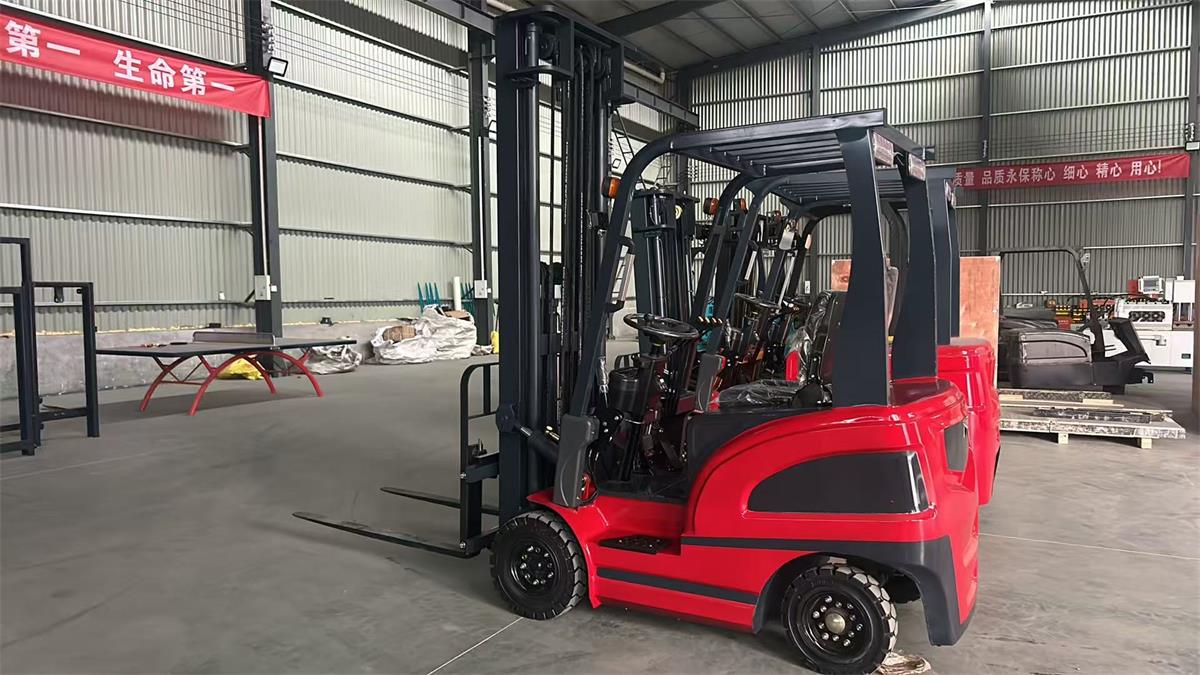
A small contractor often runs work across more than one location in a single day, moving from a supplier yard to a residential lot and then to a storage depot. A lightweight mini forklift gives that contractor a practical way to lift pallets, shift materials, and keep the day moving without calling a truck-mounted crane for every load.
Why site transfer slows small crews
A landscaper's inter-site routine
One landscaping crew in a mid-size town serves a nursery, three residential yards, and a municipal depot within a ten-mile loop. Each stop needs soil bags, planters, and tools relocated from the trailer to the ground. A full-size forklift will not fit the trailer, and the mini forklift stays at the shop because it is simply too heavy to tow on a light hitch. The crew loses roughly twenty minutes per stop hand-carrying loads that a compact machine could place in seconds, which adds up to hours lost across a busy week.
Why a pallet jack is not enough
A pallet jack handles flat, smooth floors, yet most outdoor sites lack a sealed surface. Gravel, grass, and curb edges stop a manual jack cold. For real site transfer between a trailer and a jobsite, a compact forklift with powered drive clears the gap a jack cannot bridge, especially when the load must climb a loading ramp. A mini forklift also keeps the crew moving when the jack stalls on rough ground, turning a slow manual chore into a quick, controlled placement. On a packed site, the powered drive and tighter turning circle improve maneuverability where a hand truck would need a second person. The same load that once took two trips now moves in one, and the operator avoids the strain that leads to dropped pallets and scraped doorframes.
Design features that aid portability
Curb weight and towable forklift build
Curb weight decides whether a pickup can pull the machine. A towable forklift, in essence a mini forklift on a light chassis, couples to a standard ball hitch and rolls behind a half-ton truck. Lower mass also reduces tire scrub in a tight warehouse yard and keeps transport permits simple across state lines. Buyers should compare the listed curb weight against their trailer's gross rating before committing to a specific model. A lighter chassis also eases site transfer through narrow gates and protects lawn surfaces from ruts. Pair the curb weight figure with the battery pack mass, since the pack adds meaningful heft that some spec sheets list separately from the base machine.
Foldable frame and trailer transport
A foldable mast and collapsing overhead guard shrink the machine's height for trailer transport. Operators secure the unit with ratchet straps to the deck, then unload in minutes at the next gate. This fold-first routine turns a two-person move into a solo task and protects the mast from bridge strikes. When the route includes low clearance, the folded profile is the difference between a smooth haul and a costly delay. Plan the trailer transport around a low deck rather than a high one, because a shorter ramp angle keeps the load center stable during drive-on. A folding unit also stores beside other gear in a crowded warehouse yard, freeing floor space for inventory that would otherwise block the aisle.
Moving it safely between sites
Loading ramp and secure tie-downs
A loading ramp must match the machine's grade capacity. Approach at a shallow angle, keep the load centered, and chock the trailer wheels before driving on. Ratchet straps through the frame eyes, not the mast, prevent shift during braking. A mini forklift stays put only when tied to rated anchor points, following the discipline behind ANSI/ASME B56.1 material-handling guidance. Skipping this step risks damage to the unit and the trailer alike. Walk the loading ramp first to clear debris and check for oil, since a slick surface halves available grip. Good maneuverability at the ramp lip prevents the front wheels from veering, a common cause of close calls during busy site transfer days when several trucks share one dock.
Maneuverability in the warehouse yard
Tight gates and stacked inventory test maneuverability. A short wheelbase and skid-style steering let the unit pivot inside a narrow warehouse yard aisle. The battery pack sits low, lowering the center of gravity so the truck stays stable on uneven ground near the dock. Good maneuverability also means fewer scraped pallets and a safer path when several crews share the same congested yard during peak season.
Buy, inspect and maintain
What to check before purchase
Inspect the data plate, fork heel thickness, and mast chain stretch before purchase. Ask for the hour meter reading and confirm CE marking for European delivery. A budget mini forklift should still show clean hydraulic lines and even tire wear; uneven wear hints at a bent carriage or neglected site transfer duty. Request a short test lift with a representative load to judge how the mast behaves under real weight.
Caring for the battery pack and tires
A lithium battery pack prefers a partial daily charge over a full weekly drain. Keep terminals clean, store the charger dry, and rotate turf tires to even the wear from frequent trailer transport. A quick weekly torque check on the wheel lugs protects the machine on bumpy runs between sites. Store the unit under cover when rain is forecast, since standing water shortens the life of electrical connectors and the charging port.
A lightweight mini forklift proves convenient for lifting and moving loads between sites when its curb weight, towable build, and foldable frame match the trailer and the route. Proper ramp loading, tie-downs, and battery care keep the unit ready, turning scattered stops into one smooth, repeatable transfer routine that saves time on every job.
Frequently Asked Questions
Question
Can a lightweight forklift be towed behind a pickup?
Answer: Most units under 1,200 kg curb weight couple to a standard ball hitch and follow a half-ton truck without special permits. Verify the trailer's gross rating, fit proper tie-down eyes, and confirm the machine's folded height clears bridge limits. A towable forklift turns a single operator into a mobile lifting station across multiple job sites.
Question
How much trailer space does a foldable unit need?
Answer: A foldable mast and collapsing guard typically drop the loaded height to near one meter, fitting a standard six-by-ten trailer with room for pallets. Measure the deck before purchase and keep the ramp angle shallow. Secure the frame eyes with ratchet straps, not the mast, to avoid transport damage during site transfer.
Question
Which sites suit a compact machine over a pallet jack?
Answer: A compact forklift beats a pallet jack on gravel, grass, and curbs where manual jacks stall. Landscapers, rental yards, and small warehouses gain the most, since the unit climbs a loading ramp and turns inside a tight warehouse yard. Keep battery pack charged and tires rotated for steady daily duty.
Question
Is a permit necessary for trailer transport?
Answer: Standard trailer transport behind a light truck rarely needs oversize permits when curb weight stays low and width fits the lane. Cross-state rules vary, so check local limits before a long haul. Keep the data plate readable and the load centered, and the move stays compliant without extra paperwork from the road authority.
Question
How should the battery pack be maintained between sites?
Answer: A lithium battery pack prefers a partial charge after each stop rather than a full weekly drain. Keep terminals clean, store the charger dry, and rotate turf tires to even wear from trailer transport. A well-kept mini forklift starts every morning ready, so the operator spends time lifting loads instead of solving electrical faults at the gate.