
 EN
EN
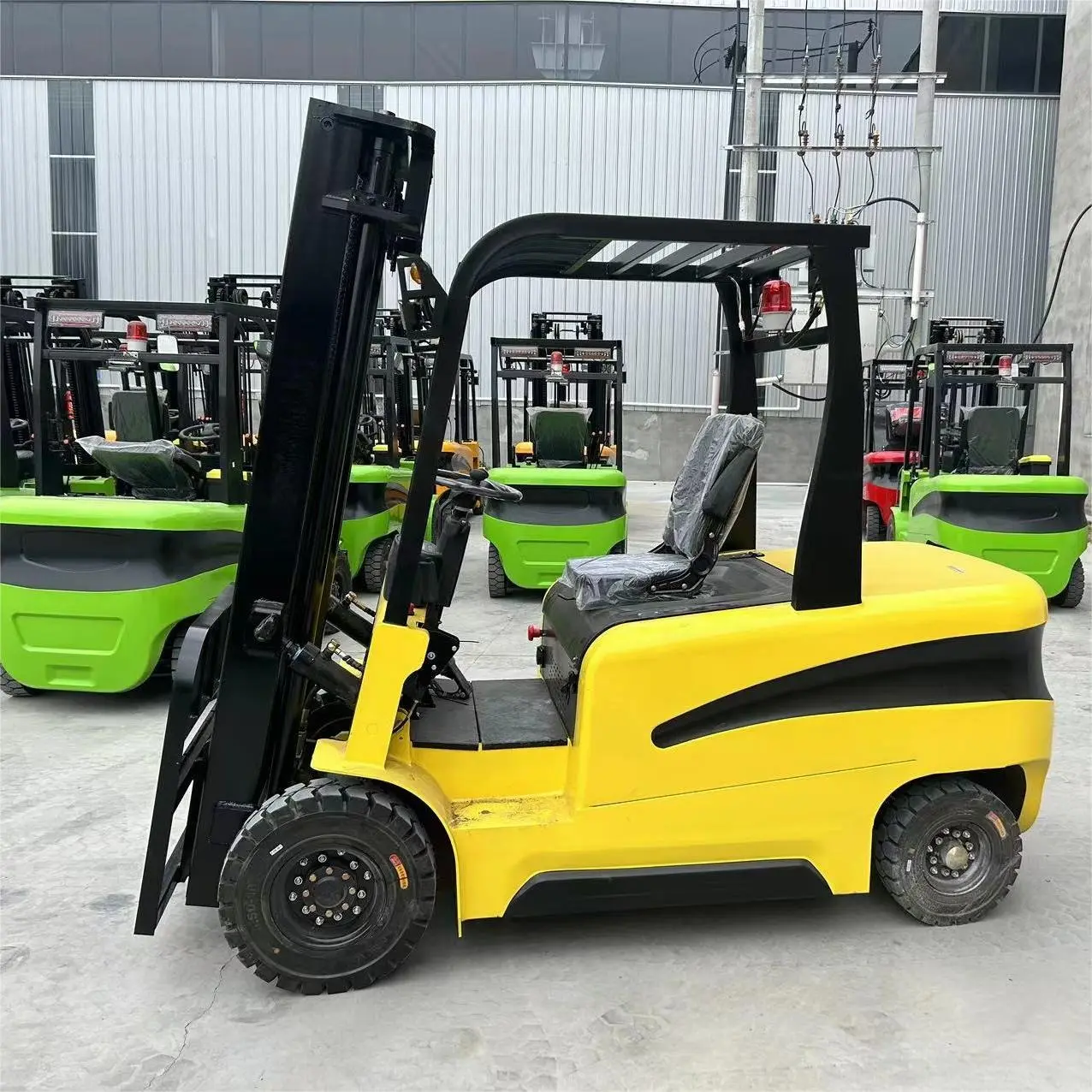
A Distribution Center That Cut Cost With the Right Machine
The Background — A Regional Fulfillment Hub
A regional fulfillment hub in southern Europe processed around 4,000 order lines each day across two shifts. Pallets arrived on trailers, moved through narrow aisles, and left on outgoing trucks. The site already depended on a forklift fleet, but the existing diesel units were aging and the electric replacements bought years earlier had soft batteries that no longer held a full shift.
The Problem — Breakdowns Pushed Operating Cost Up
During peak season the old machines failed roughly twice a week. Each failure pulled a truck from the dock, delayed loading, and forced overtime to recover lost hours. Energy cost also climbed because the diesel units idled through breaks, and the tired electric batteries needed mid-shift charging that stranded operators between charges.
The Solution — Moving to a Durable, Energy-Saving Forklift
The facility leased a small batch of sealed, energy-saving electric models rated for continuous duty and tested them on the busiest dock. Supervisors tracked charge cycles, fault codes, and service intervals for eight weeks before committing to a full fleet swap. The trial focused on runtime per charge and unplanned stoppage, not just sticker price.
The Effect — Lower Bills and Fewer Stops
After the swap, unplanned stops dropped from two a week to near zero, and a single charge covered a full shift. The electricity bill for the dock fell compared with the diesel baseline, and mechanics spent their time on scheduled checks instead of emergency repairs. The change paid back through avoided overtime rather than a single dramatic saving.
What Goes Wrong When Durability Is Skipped
Hydraulic Leaks Drain Fluid and Budget
A worn seal or cracked hose lets hydraulic oil escape under load, which reduces lifting force and stains every pallet it touches. Left alone, the leak starves the pump and overheats the system, turning a five-dollar seal into a pump replacement. In a food or pharmaceutical warehouse, the contamination risk adds cleanup and compliance cost on top of the repair.
Battery and Motor Wear Shortens Daily Runtime
Electric units live or die by their battery and drive motor. Deep discharges, poor watering, and heat build-up crystallize plates and raise internal resistance, so the pack delivers fewer amp-hours each cycle. A motor running hot loses insulation life and torque, which means longer cycle times and a truck that cannot finish a shift without a top-up charge.
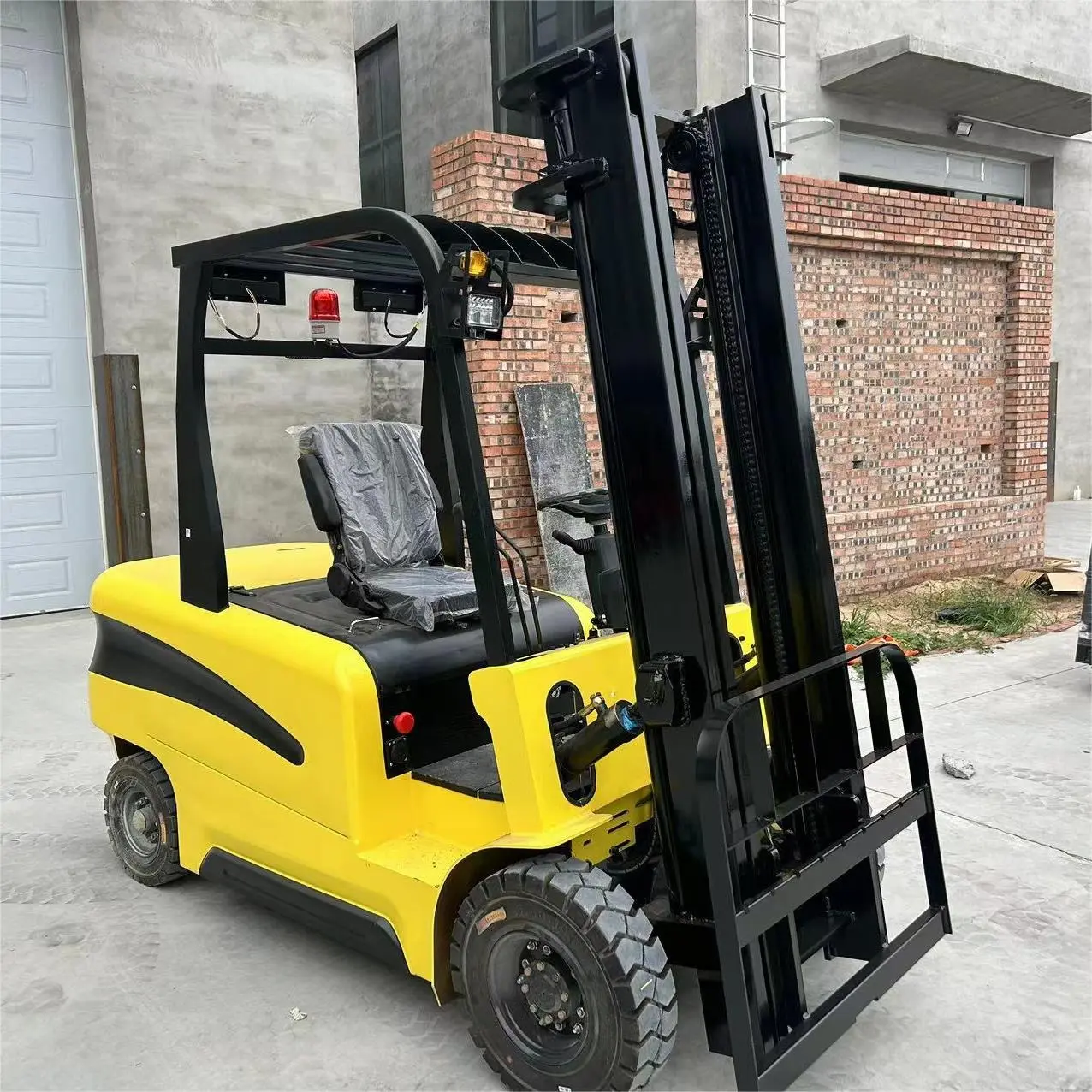
How a Durable, Energy-Saving Forklift Actually Saves
Regenerative Braking Returns Power to the Battery
Every time the operator lifts a foot from the pedal, the drive motor acts as a generator and feeds current back into the pack. In stop-and-go dock work with constant direction changes, that recovered energy adds meaningful minutes to each charge. The same feature also cools the friction brakes, so brake pads last longer and the truck needs fewer service stops.
Sealed Components Resist Dust and Moisture
Warehouses collect fine dust from cardboard, stretch wrap, and foot traffic, while cold rooms and outdoor docks add condensation. Sealed connectors, IP-rated control boards, and covered chain cases keep that grit and dampness away from the electronics and bearings. The result is a machine that holds calibration and avoids the intermittent faults that plague open designs.
Right-Sized Capacity Avoids Wasted Energy
A three-ton truck moving one-ton loads spends energy accelerating mass it does not need, and a one-ton truck straining at two tons overheats and wears fast. Matching rated capacity to the real load profile keeps the motor in its efficient band. Slight headroom above the typical load protects the drivetrain without dragging dead weight through every aisle.
Standards, Certifications, and a Practical Buying Checklist
Which Standards Matter for Warehouse Trucks
Powered industrial trucks fall under OSHA 29 CFR 1910.178 in the United States, with operator training and annual evaluation built into the rule. The ANSI/ITSDF B56.1 standard covers construction and safety requirements, while ISO 3691-1 sets international design and testing rules. In Europe, the CE Machinery Directive 2006/42/EC and ISO 12100 risk-reduction principles apply. A CE mark and an ISO 12100-aligned risk assessment signal that the builder designed for safe, repeatable operation.
Inspection and Maintenance Steps That Protect Uptime
Check tire wear, brake response, and horn and warning lights before each shift, and log the results so trends surface early. Test battery specific gravity or state-of-charge on a fixed schedule, keep terminals clean, and never let a pack sit deeply discharged. Replace hydraulic filters on the manufacturer interval, watch for weeping seals, and keep the mast chain lubricated. A dated log also supports operator training records required under OSHA 1910.178. A documented program keeps any forklift matched to its manufacturer interval and the site's own duty cycle.
A durable, energy-saving forklift earns its place in a logistics warehouse by cutting both repair frequency and the power drawn per pallet moved. Pair the right capacity with sealed, regenerative hardware, confirm OSHA, ANSI, and ISO alignment, and the fleet stays productive through peak season instead of failing under it.
Frequently Asked Questions
Question
Why do warehouses prefer an energy-saving model? An energy-saving forklift recovers power through regenerative braking and holds a full shift on one charge, which lowers the electricity bill and removes mid-shift charging delays. Fewer stops mean operators keep moving pallets instead of waiting at the charger, so throughput stays steady during busy periods.
Question
How long should a durable warehouse truck last? A well-maintained electric unit often serves eight to ten years in two-shift duty, provided the battery is cared for and seals are replaced before they leak. Runtime depends on load profile, charging discipline, and how consistently the shift-check list is followed by operators on site.
Question
What certifications should a warehouse truck have? Look for CE marking in Europe and alignment with ISO 3691-1 and ISO 12100, plus compliance with OSHA 29 CFR 1910.178 and ANSI/ITSDF B56.1 where applicable. These signals show the builder addressed operator safety, stability, and documented risk reduction during design and production, which also helps with cross-border customs acceptance.
Question
Does a durable truck cost more upfront? The purchase price usually runs higher than a bare-bones unit, but the gap narrows through lower repair bills, fewer battery replacements, and avoided overtime from breakdowns. Total cost per pallet moved over the service life tells the real story better than the initial quote alone.
Question
Which capacity suits a typical warehouse? Most general warehouses match the truck to their heaviest routine pallet with modest headroom, commonly one to three tons for electric models. Oversizing wastes energy accelerating unused capacity, while undersizing overheats the drivetrain and shortens component life under constant load. Site visits and load audits confirm the right figure before purchase.
Question
Can an energy-saving truck work in a cold storage room? Yes, with cold-rated grease, sealed electronics, and a battery sized for reduced capacity at low temperature. Cold rooms stress standard packs, so specifying the right electrolyte or lithium option keeps runtime predictable and prevents the early failures that disrupt frozen-food handling.