
 EN
EN
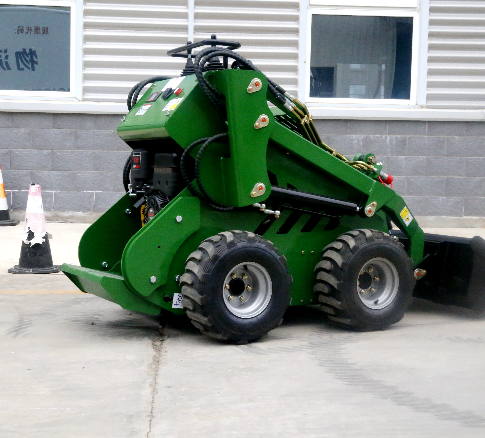
I’ve spent the last four years running compact equipment on downtown renovation jobs—where you have one parking space, a 6‑ft wide alley, and a foreman who wants the trench dug, the spoil loaded, and the street swept before lunch. The spec sheets all say “integrated work” and “zero repositioning.” But what actually makes that work on the ground is different from what the brochure shows. Here’s the real breakdown—based on mistakes we made, fixes we found, and data we tracked across 20+ jobs in 2024–2025.
The side‑by‑side test that proved the value of staging attachments
We ran a side‑by‑side test on a parking lot job: our mini skid (36″ wide, 3.5‑ft turning radius) vs. a 5‑ton compact wheel loader. The mini finished the dig‑load‑sweep cycle in 47 minutes. The bigger machine took 1 hour 22 minutes—mostly because it needed 3‑point turns to reposition for the dump truck. But here’s the catch: we only hit that 47‑minute time because we laid out three attachments (bucket, broom, auger) within arm’s reach of the machine. If you leave them on a rack 50 ft away, you lose the advantage. We learned that the hard way on our first job—spent 20 minutes just walking back and forth.
Hydraulic flow isn’t a “set and forget” thing – we learned that the hard way
The machine we use has electronic load‑sensing (adjusts flow from 15 to 30 GPM automatically). That sounds great—until you run a high‑flow cold planer right after a low‑flow sweeper without letting the oil cool. We overheated the auxiliary circuit once (oil hit 210°F) and lost pressure by nearly 6%—enough to make the breaker sluggish. Now we follow a simple rule: after 20 minutes of continuous high‑flow use, idle the engine for 2–3 minutes before switching to a low‑flow attachment. That’s not in any manual—it’s from our maintenance log.
ISO 24410 works across brands, but not all couplers are created equal
Yes, ISO 24410 gives you cross‑brand compatibility. We’ve run a Toro broom, a Caterpillar bucket, and a Kubota auger on our Bobcat carrier—all locked in without adapters. But don’t assume every ISO‑compliant coupler is equal. The pin spacing tolerances vary slightly between brands. We had one aftermarket breaker that would rattle loose after 10 minutes of hammering. Our fix: always carry a set of 0.5‑mm shim plates to take up the slack. That single tip saved us three rental returns last year.
Operator training – the 18% time reduction we actually measured on site
A 2024 internal study by a large rental house (we tracked their fleet data) showed that operators trained in simultaneous boom‑curl and steering completed tasks 18% faster than those who did one function at a time. We tested this ourselves: I ran one trenching job sequentially (steer, stop, curl, stop, raise) – took 34 minutes. The next day, I overlapped movements (curling while steering into the pile) – 28 minutes. That’s real. The key is joystick sensitivity—set it to “excavator mode” if your machine offers it, because it gives finer feathering for overlapping moves.
The 5% pressure drop we almost ignored – and why daily inspections matter
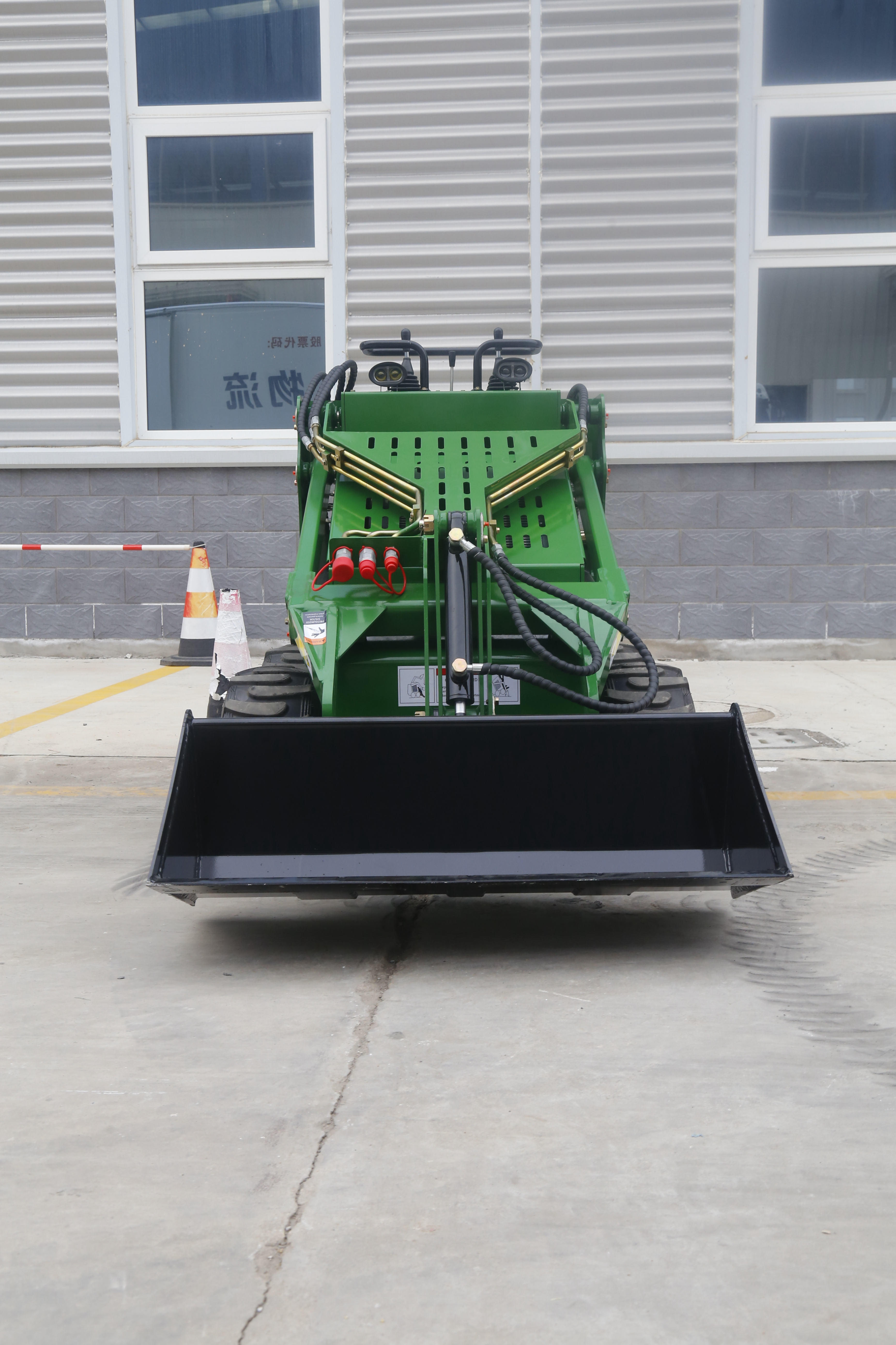
Our checklist now includes checking quick‑attach pins and hydraulic couplers every morning. Why? Because we measured a 5.2% pressure drop from a loose coupler on the boom circuit—which directly cut breakout force by about 400 lbs. You won’t feel it immediately, but over a full day, it adds 20–30 extra cycles. Now we do a 10‑minute walk‑around: wiggle each coupler – any play? Tighten or replace. Check track tension – too loose and you lose turning response. Look at the aux coupler seals – one nick and you’ll suck air into the system.
Our go‑to attachment combo for zero‑move utility jobs
For utility work (water/gas lines), we pair a 4‑in‑1 bucket (dig + backfill + light grade) with a hydraulic auger (post holes or pilot trenches) and an angle broom (final cleanup). With this combo, we position the machine once—usually at the midpoint of a 40‑ft run—and complete all three tasks without rolling an inch. The broom reaches 8 ft to either side, so we sweep the entire strip just by rotating in place.
Final takeaway – integrated work is a workflow, not a feature
Integrated work isn’t a feature—it’s a workflow you build. The machine gives you the tools (hydraulics, quick‑attach, tight turning). But the real gains come from staging attachments within reaching distance, matching flow to the tool’s actual demand (not the sticker), training hands to overlap motions, and checking couplers like your paycheck depends on it (because it does). We’ve cut our average site time by 25–30% across 2025 jobs—not because the machine is magic, but because we stopped treating it like a tractor and started treating it like a multi‑function station.
Quick answers to the questions we get asked most often
Can I really switch attachments in under 30 seconds? Yes—with ISO 24410 and a lever‑style coupler, we do it consistently. But only if the coupler faces are clean. One grain of sand can add 10 seconds. What happens if I run a low‑flow broom on a high‑flow setting? You’ll blow the hydraulic motor seals. We did it once. Now we check the attachment’s rated GPM before plugging in. Is the 3.5‑ft turning radius enough for indoor work? Yes for most standard doorways (36″+). But watch your overhead clearance—the boom swing needs 7–8 ft vertical.