
 EN
EN
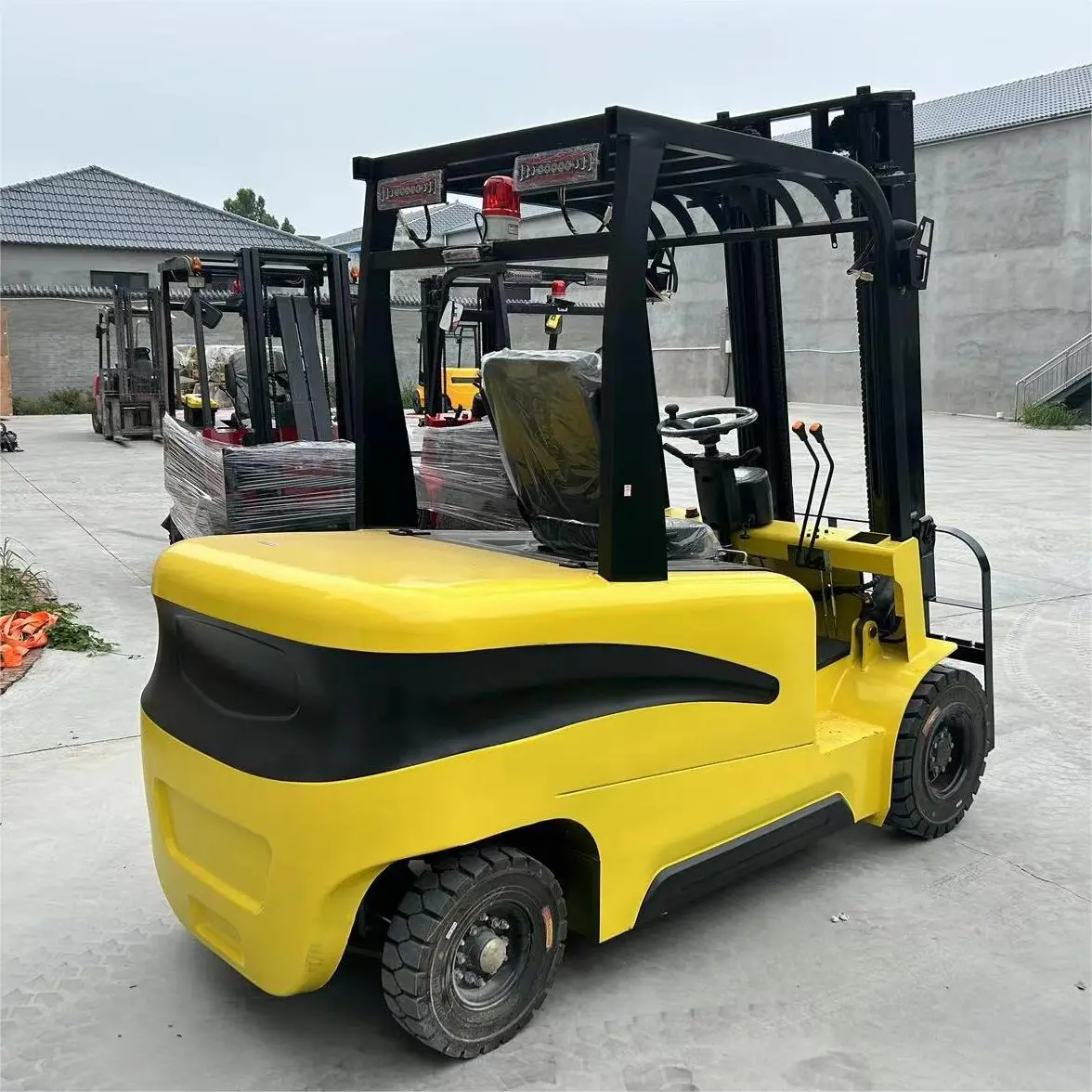
At a freight dock, every minute a trailer sits open is a minute of labor and slot time lost, and the right forklift turns that lost time back into throughput. Efficiency at loading and unloading is not about driving faster — it is about removing the small frictions that stack up across hundreds of moves a day. A professional-grade truck, matched to the load and the layout, keeps each cycle short, repeatable, and safe.
A Busy Dock That Rebuilt Its Loadout Process
The Background — A Cross-Dock Operation Under Pressure
A third-party logistics provider ran a cross-dock site where inbound produce trailers met outbound retail trucks within a tight window. Volume swelled in summer, and the dock had to clear each door before the next appointment arrived. The team already used a forklift fleet, but the trucks were mismatched to pallet weight and aisle width.
The Problem — Long Cycle Times at Every Door
Each loadout took longer than planned because operators juggled oversized forks, hunted for pallets in cramped lanes, and reversed repeatedly to line up. Trailers waited past their slots, drivers queued, and the yard grew congested. Supervisors could not tell whether the delay came from the truck, the layout, or the load itself.
The Solution — A Matched Professional Forklift Setup
The site standardized on trucks sized to the real pallet weight, fitted side-shift carriages, and trimmed fork length to the common load. They repainted lane lines for one-way flow and gave each door a staging zone. A two-week pilot measured seconds per move, then the layout and truck spec were locked in across the building.
The Effect — Faster Turns and Calmer Shifts
Cycle time per pallet dropped noticeably, trailers cleared inside their slots, and the driver queue shrank. Because operators stopped reversing and re-handling, fatigue and near-misses fell too. The gain came from coordination, not from pushing the trucks harder than their rating allowed.
Where Efficiency Leaks Away on the Dock
Wrong Attachment Adds a Second Handling Step
A poorly chosen attachment forces an extra pick, turn, or set-down that the load never needed. Oversized forks make narrow pallets unstable, while missing a sideshift means nudging the whole truck to center a load. Each extra motion repeats hundreds of times a shift, and the seconds compound into hours of lost dock time.
Poor Aisle Layout Forces Constant Reversing
When lanes are too tight for the truck's turning radius, operators back up, pull forward, and correct again just to face a rack. That dance slows every approach and raises the odds of a rack strike. A layout drawn around the actual truck envelope, not the other way around, removes most of that wasted motion before a single pallet moves. A compact forklift with a tight turning radius fits lanes that would strand a larger truck, protecting both flow and racking.
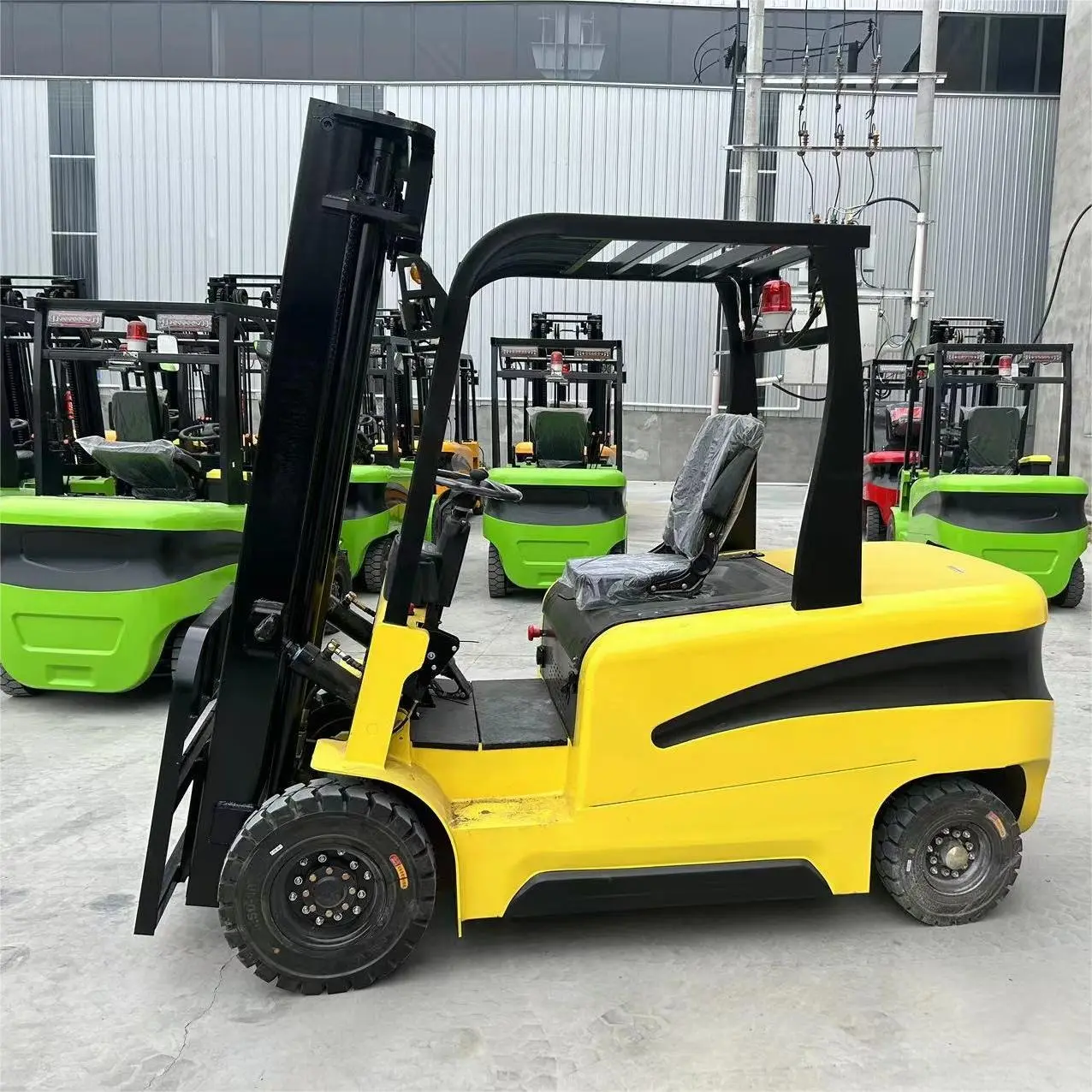
How a Professional Forklift Speeds the Cycle
Mast and Lift Speed Set the Pace
Lift speed, lower speed, and mast transition time decide how fast a load clears the truck bed. A three-stage mast reaches high racking without a slow crawl at the top, and a tuned hydraulic pump delivers smooth, quick lifts without bucking the load. Matching these rates to the dock's typical lift height keeps the truck in its productive band instead of waiting on the hydraulics.
Telematics Shows the Real Bottlenecks
Onboard telematics logs idle time, impact events, and utilization by truck and operator. The data often reveals that the constraint is not speed but waiting — a truck parked while a trailer is staged. Managers use those readings to balance the fleet, retrain specific habits, and justify a truck addition only where the numbers demand it, rather than guessing. A forklift fitted with that data link turns vague complaints about slow docks into measured, fixable numbers.
Operator Aid Features Reduce Hesitation
Creep-speed control lets an operator inch a load precisely with one finger, cutting the corrections that eat seconds. Auto-deceleration and clear load-moment indicators remove doubt at the rack face. These aids do not replace skill; they take the guesswork out of the last meter, where most cycle time and most damage actually happen. Short, repeatable motions beat raw speed, because a confident operator sustains pace for a full shift without fatigue.
Standards and a Setup Checklist for Buyers
Safety Rules That Protect Throughput
OSHA 29 CFR 1910.178 requires operator training, evaluation, and a documented program before anyone drives a powered industrial truck. ANSI/ITSDF B56.1 defines the stability and design basis, while ISO 3691-1 covers international safety requirements and ISO 12100 frames risk reduction. A site that trains and re-evaluates operators annually keeps trucks running instead of parked for incidents.
Inspect, Train, and Maintain for Steady Output
Walk the dock each shift and confirm lane markings, staging zones, and clearances still match the truck envelope. Train operators on the specific attachment and mast fitted, not just generic driving, and refresh that training yearly per OSHA. Service brakes, steering, and hydraulics on the manufacturer schedule, and log impacts so a hard hit gets inspected before the next shift. Weekly walk-throughs catch small layout drift before it becomes a daily delay.
A professional forklift improves loading and unloading efficiency through fit, not force — the right capacity, attachment, and aisle plan remove the frictions that slow every cycle. Anchor the setup in OSHA and ISO-aligned practice, and the dock gains speed that holds up under peak volume.
Frequently Asked Questions
Question
How does a professional truck improve loading speed? A well-matched forklift removes manual carrying and lets one operator move a full pallet from trailer to rack in a single pass. Matched capacity, a sideshift carriage, and a layout built around the truck's turning radius cut the reversing and re-handling that slow each cycle on a busy dock, lifting both safety and throughput at once.
Question
What spec matters most for dock work? Lift speed and mast behavior at the working height matter most, because most dock moves are short but frequent. A three-stage mast and tuned hydraulics keep lifts quick and smooth, while correct capacity avoids both sluggish acceleration and overload strain on the drivetrain.
Question
Do attachments help loading efficiency? Yes, a sideshift or fork positioner cuts the corrections needed to center a load, removing a handling step per pallet. The aid only helps when sized to the common load, though; an oversized attachment adds weight and width that can slow the truck more than it saves.
Question
How should a dock layout support faster turns? Mark one-way lanes sized to the truck's turning radius and give each door a staging zone so trailers are pre-loaded before the truck arrives. Drawing the layout around the actual truck envelope removes most reversing and keeps every approach facing the rack.
Question
Can telematics show where time is lost? Onboard telematics records idle time, impacts, and per-truck utilization, which usually reveals waiting rather than slow driving as the real constraint. Managers use those readings to balance the fleet and target training, instead of guessing where the dock loses minutes, turning opinion into evidence.
Question
Which safety rule applies to dock trucks? OSHA 29 CFR 1910.178 requires trained, evaluated operators and a documented program, refreshed at least annually. ANSI/ITSDF B56.1 and ISO 3691-1 cover design and safety, and following them keeps trucks productive instead of sidelined after an incident. A documented safety plan also simplifies insurance and customer audits at the dock.