
 EN
EN
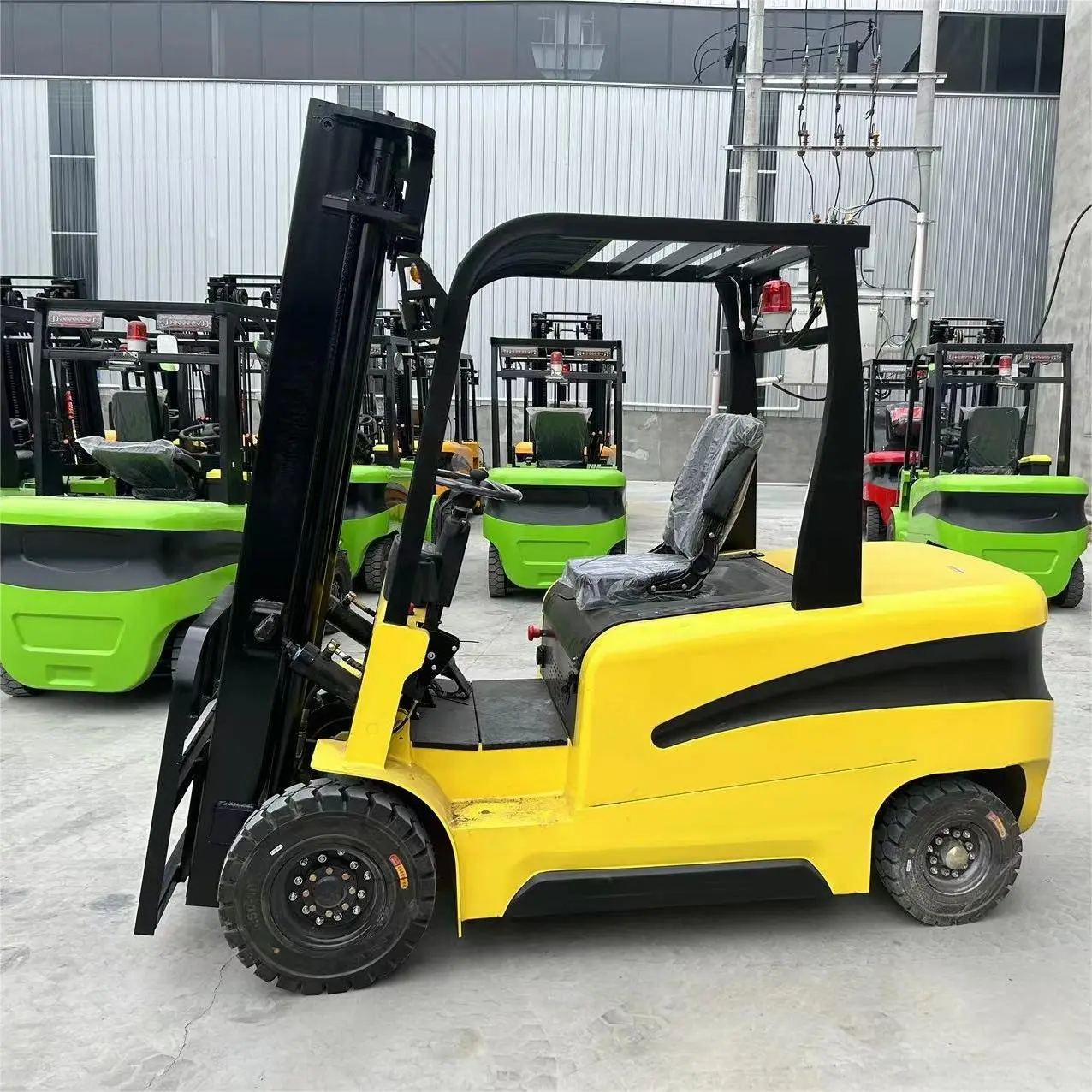
A single factory often mixes a clean indoor line, a dusty outdoor yard, a freezing store, and a zone that handles flammable goods, so the question of whether one forklift can serve them all deserves a clear answer. The honest reply is that the machine adapts through variants, not a single universal build. Choosing the right power, tire, and protective package lets one fleet cover very different industrial scenarios without compromising safety or output.
A Plant That Ran One Truck Across Three Zones
The Background — Mixed Indoor and Outdoor Work
A metals fabricator moved parts from a welded indoor line to an outdoor staging yard, then into a cold store before shipment. The same components traveled through three environments in one day, and the handling team wanted to avoid buying a separate truck for every floor. A forklift had to move comfortably across all three without a risky swap mid-shift.
The Problem — One Machine Could Not Cover All Floors
The diesel unit that worked fine outdoors could not enter the indoor line because of exhaust and noise rules, and its pneumatic tires tore up the smooth indoor floor. The electric truck that suited the line bogged down on the gravel yard and lost traction on the cold store's slick surface. Each zone exposed a weakness the others did not. A forklift forced outside its design envelope fails exactly where the floor changes.
The Solution — Picking the Right Variant per Zone
Rather than force one truck everywhere, the plant assigned an electric cushion-tire model to the line, a pneumatic-tire electric to the yard, and a cold-spec electric to the store. They standardized batteries and chargers so any operator could move between zones, and tagged each truck to its environment to prevent cross-use that caused the earlier damage.
The Effect — One Fleet, Three Environments
Throughput stayed steady because the right truck met each floor's limits instead of fighting them. Indoor air stayed clean, the yard kept moving through weather, and the cold store ran without slip incidents. Purchasing three purpose-built units cost less in downtime than one misapplied truck that failed two of its three jobs.
Where a Single Truck Falls Short
Indoor Air Rules Out Diesel Exhaust
Enclosed spaces accumulate carbon monoxide from a diesel or LPG engine, which poisons air and triggers health limits under occupational exposure rules. A truck that runs fine outdoors becomes a hazard inside a building, so indoor zones need electric power or rigorously vented external-combustion units. Ignoring this trades a handling gain for a respiratory risk to every worker nearby.
Rough Ground Stops a Cushion-Tire Truck
Cushion tires suit smooth concrete but flatten and split on gravel, debris, and uneven yard surfaces. A truck built for the line loses grip and ground clearance the moment it leaves the floor, risking belly damage and load drops. Matching tire type to the worst surface it will meet prevents the stranded-truck scenario that halts an entire outdoor workflow. A forklift on the wrong tire also scuffs the indoor floor it was never meant to cross.
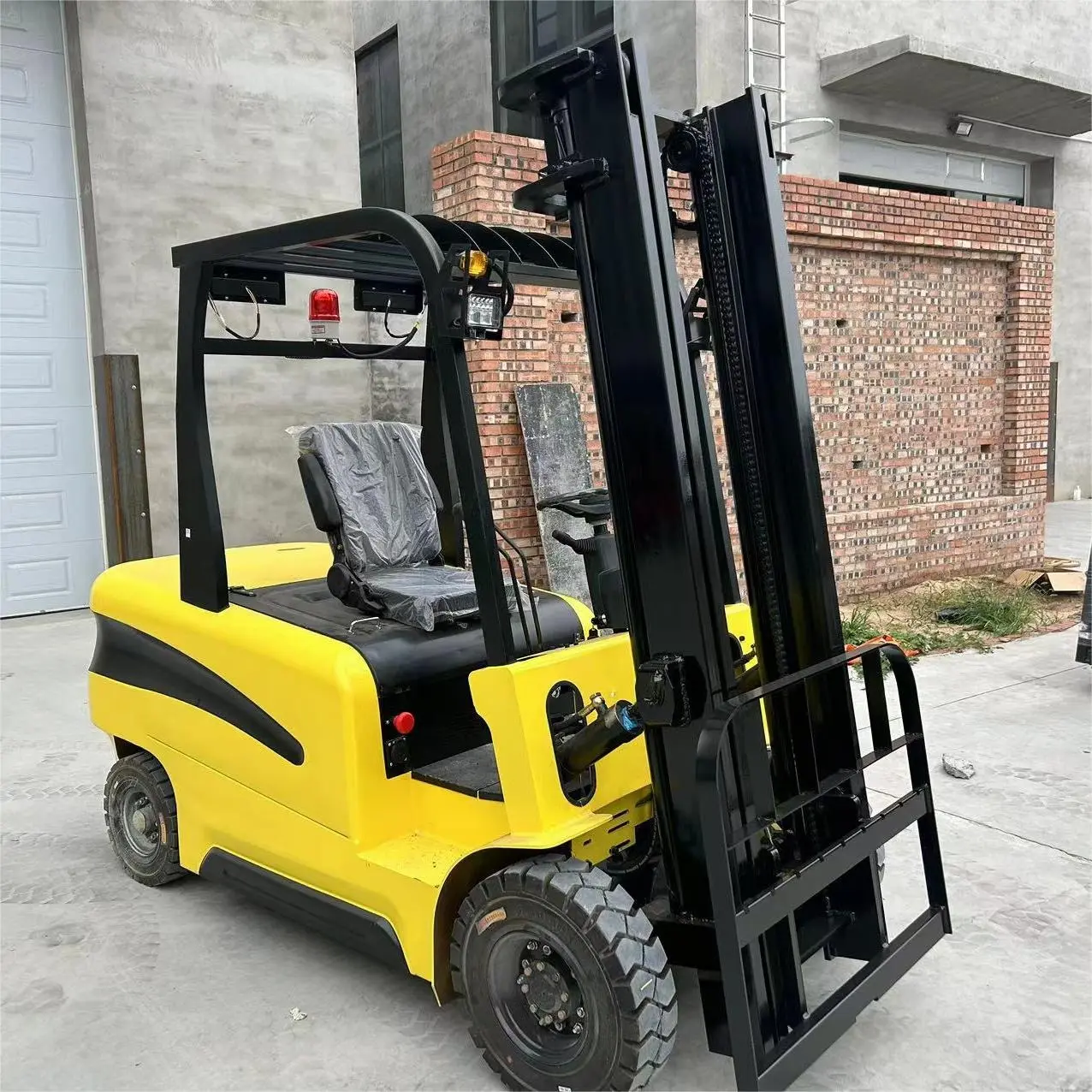
How a Forklift Adapts to Different Scenarios
Power Type Matches the Air and the Task
Electric drive fits enclosed and food-grade areas where emissions and noise must stay low, while LPG and diesel suit outdoor yards with good ventilation and heavy, continuous loads. The choice is less about which is "stronger" and more about where the exhaust can safely go. A plant that maps power to air quality keeps both productivity and compliance intact across zones.
Tire and Mast Choices Shape the Footprint
Cushion tires give a tight turning circle for narrow indoor aisles, whereas pneumatic tires absorb shock on rough ground at the cost of a wider stance. Mast height and carriage width decide whether the truck fits a low door or a high rack. Selecting these around the actual site geometry, not a catalog average, lets the same basic model serve distinct floors through configuration alone.
Specialized Builds Enter Tight or Risky Spaces
Explosion-proof trucks with non-sparking components enter zones that handle solvents or fuels, and narrow-aisle reach trucks work racking that a standard model cannot approach. Cold-store packages add screen, grease, and battery ratings for sub-zero rooms. These are not upgrades so much as necessary adaptations — the scenario dictates the build, and the build decides whether the job is even permitted.
Standards and a Selection Checklist
Which Rules Govern Each Environment
OSHA 29 CFR 1910.178 covers powered industrial truck operation and training across all these zones, while ANSI/ITSDF B56.1 sets design and stability criteria. For explosive atmospheres, the relevant equipment classification follows established hazardous-location practice, and ISO 12100 risk assessment helps match the truck to each environment's specific dangers. In Europe, CE marking under the Machinery Directive and ISO 3691-1 confirm the safety baseline.
Buying, Inspection, and Care Across Sites
Define each zone's floor, airflow, temperature, and load before specifying trucks, and keep a one-page profile per environment. Train operators on the exact variant they will drive, since tire and power differences change handling. Inspect tires, brakes, and battery daily, and wash debris from yard trucks so grit does not ride indoors. Log every zone change to catch misuse before it damages a floor or a truck. A forklift logged to the wrong zone signals a training gap worth closing fast.
A forklift adapts to varied industrial handling scenarios through deliberate variant selection — power for the air, tires for the ground, and protective builds for tight or hazardous spaces. Ground the plan in OSHA, ANSI, and ISO practice, and one fleet can serve warehouse, yard, and cold store without a safety or output penalty.
Frequently Asked Questions
Question
How does a truck adapt across indoor and outdoor work? The machine adapts through variants rather than one universal build. Electric power suits enclosed areas, pneumatic tires suit rough ground, and specialized builds enter tight or hazardous spaces. Choosing the right variant per zone lets one fleet cover very different environments without compromising safety or output.
Question
Can one forklift work in warehouse and outdoor yard? Not the same build. Indoor zones need electric power to avoid exhaust, while outdoor yards need pneumatic tires and ground clearance for gravel. A plant usually runs separate variants per zone, sharing batteries and chargers so operators move between them without a risky mid-shift truck swap.
Question
Is diesel allowed inside a factory? Diesel and LPG units emit carbon monoxide that accumulates in enclosed spaces and breaches occupational exposure limits, so they are generally kept outdoors or in well-ventilated areas. Indoor lines use electric trucks to keep air clean and protect workers from exhaust-related health risks during long shifts.
Question
What tire type fits rough outdoor ground? Pneumatic or solid pneumatic tires absorb shock and resist splitting on gravel, debris, and uneven surfaces, unlike cushion tires built for smooth indoor floors. Match the tire to the worst ground the truck will meet, or it risks belly damage and lost traction that halts the outdoor workflow.
Question
Do explosion-proof trucks exist? Yes, hazardous-location builds use non-sparking components, grounded paths, and temperature-limited surfaces to enter zones handling solvents or fuels. They are a necessary adaptation rather than an upgrade, because the scenario's risk classification dictates whether the truck is even permitted on site, following documented hazardous-location equipment rules.
Question
How should a multi-zone fleet be inspected? Keep a one-page profile per environment covering floor, airflow, temperature, and load, and train operators on the exact variant they drive. Inspect tires, brakes, and battery daily, wash debris from yard trucks before they enter, and log every zone change to catch misuse early.