
 EN
EN
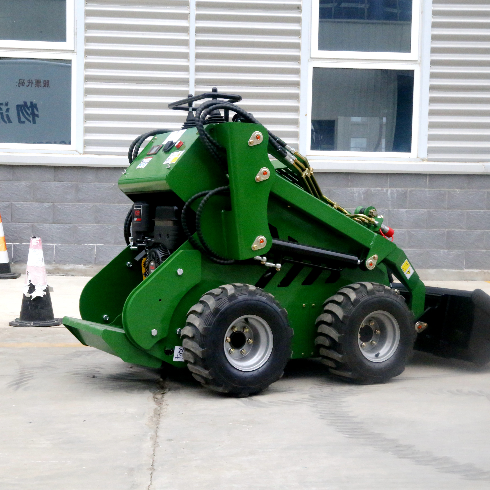
A construction site rarely offers a clean, flat floor, and the machine that thrives there has to be chosen with the ground, the load, and the gate in mind — which is why picking the right skid loader is a planning task, not a catalog order. The wrong size wastes fuel and labor; the right one disappears into the workflow and keeps the crew moving through trenching, grading, and material handling without drama.
A Contractor Who Stopped Overbuying and Underperforming
The Background — A Small Groundworks Crew
A groundworks contractor ran two crews on residential and light commercial builds, moving soil, pallets of block, and site debris across tight lots. They had rented assorted machines over the years and owned one mid-size unit that never quite fit the smaller gardens. The crew needed a skid loader that could work a narrow side passage yet still shift a loaded pallet without tipping.
The Problem — The Wrong Size on Every Site
On compact lots the owned machine was too wide for the gate and had to be left on the street, so material walked by wheelbarrow instead. On bigger sites it was fine for lifting but slow to load because the bucket and hinge pin height sat below the truck bed. Either way, time leaked out of every job through mismatch rather than lack of effort.
The Solution — Specifying to the Actual Task
The contractor listed the three heaviest routine loads, the narrowest gate, and the typical trailer. They chose a smaller frame with a vertical lift path and a bucket sized to the real payload, plus a set of mild-terrain tires. A weekend rental confirmed the dimensions before purchase, measuring gate clearance and load height against the actual truck.
The Effect — Less Rehandling, More Done
With the right frame, the machine entered every lot, loaded the truck bed without a ramp, and handled the pallet without a second machine. Fuel and transport cost fell because the trailer matched the lighter unit, and the crew finished earlier on the same scope. The gain came from fit, not from a bigger engine.
Risks of Guessing the Size
Too Small Means Constant Rehandling
An undersized loader bottoms out on capacity, so a load that should take one bite takes two, and the operator shuttles material back and forth to stay under the limit. That doubling of trips burns fuel, wears tires, and stretches the schedule. Worse, repeated overloads heat the hydraulics and shorten pump life well before the machine's age would suggest. A skid loader sized below its real load forces the operator into exactly that overload loop.
Too Large Strains Access and Transport
An oversized frame cannot reach the jobs that pay the bills — it sits outside the gate while labor hand-carries everything in. It also needs a heavier trailer, a bigger truck, and more fuel to move between sites, raising cost on every haul. The extra power sits unused while the access problem quietly erodes margin on small, frequent jobs. A skid loader that cannot pass the gate turns a capable machine into a street-parked liability.
How to Match a Skid Loader to the Site
Rated Capacity Versus Real Payload
The nameplate capacity assumes a standard test load at a set pivot height, but wet soil, saturated mulch, or a full bucket of block weighs far more than the demo load. Subtracting the attachment weight and leaving a margin keeps the machine inside its tipping-load envelope, where stability and steering response stay safe. Specifying to the heaviest real load, not the brochure number, prevents the overload that causes tip-overs.
Lift Path Changes How You Load
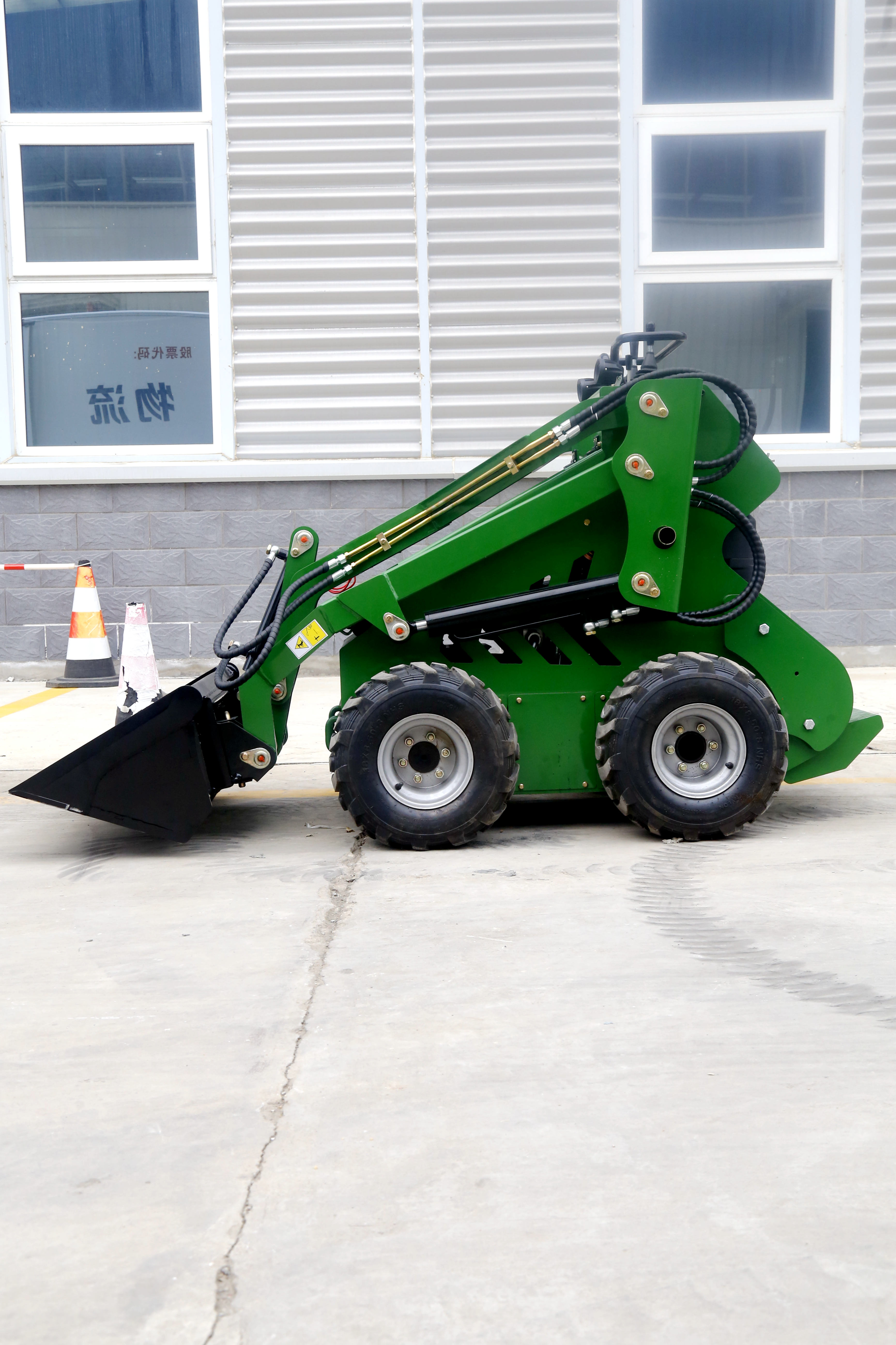
A vertical lift path keeps the load close to the machine as the arms rise, so the pin height reaches a high truck bed or hopper without the load swinging out. A radial path arcs the load forward, which suits lower, ground-level work like grading. Matching the path to the dominant task — loading versus digging — removes a daily frustration that slows every cycle on site.
Tires or Tracks Decide Ground Grip
Pneumatic tires are cheaper, faster on hard ground, and easy to service, while rubber tracks spread weight for flotation on mud and protect finished surfaces from ruts. Steel-track units bite hard ground but mark paving. The choice tracks the worst ground the machine meets most often, because grip lost to the wrong undercarriage is grip the bucket never recovers during a load.
Standards and a Buyer's Inspection Checklist
Compliance That Matters on Site
Earth-moving machinery follows ISO 20474 for safety requirements and ISO 12100 for risk reduction in design, while the CE Machinery Directive 2006/42/EC applies in Europe. In the United States, OSHA 29 CFR 1926 covers construction equipment operation, and ANSI/SAE standards inform stability and interface design. A supplier that documents CE or ISO alignment shows the build was assessed, not just assembled.
Check, Train, and Maintain Before First Use
Confirm the rated operating capacity, hinge pin height, and total width against the real gate and truck before signing. Train operators on the specific lift path and attachment, since vertical and radial behaviors differ at the rack. Inspect hydraulic lines, seat belt, and ROPS daily, grease pivot points on schedule, and keep the undercarriage clear of packed debris that accelerates wear on the drive. A skid loader verified this way avoids the access faults that strand larger frames at the curb.
A suitable skid loader for construction sites comes from matching rated capacity, lift path, and undercarriage to the real ground and load — not from buying the biggest frame on the lot. Anchor the choice in ISO 20474 and OSHA 1926 practice, and the machine earns its place on every job instead of fighting the site.
Frequently Asked Questions
Question
How do I choose a skid loader for a construction site? List the three heaviest routine loads, the narrowest gate, and the trailer you tow, then match rated capacity, width, and hinge pin height to those numbers. Picking to the real task instead of the catalog average prevents the mismatch that slows every job through rehandling.
Question
What capacity do I need for the job? Size to the heaviest real payload including the attachment, leaving margin under the tipping load, because wet soil or full block weighs more than a demo load. Subtract bucket or grapple weight from the nameplate figure so the machine stays inside its stable envelope during daily use.
Question
Which lift path suits loading trucks? A vertical lift path keeps the load close as arms rise and reaches a high truck bed without swinging out, so it fits loading and lifting tasks. A radial path arcs forward and suits lower ground work like grading, so match the path to the dominant daily job.
Question
Are tracks or tires better on site? Rubber tracks float on mud and protect finished surfaces but cost more to run, while pneumatic tires are faster and cheaper on hard ground. Steel tracks bite hard ground yet mark paving, so choose the undercarriage for the worst ground met most often.
Question
What standards apply to this machine? ISO 20474 and ISO 12100 cover earth-moving safety and risk reduction, with CE marking required in Europe and OSHA 29 CFR 1926 governing U.S. construction use. ANSI/SAE informs stability design, and documented compliance shows the build was assessed before sale, which buyers should always request in writing before purchase.
Question
What should I inspect before first use? Verify rated capacity, hinge pin height, and width against the real gate and truck, then train operators on the specific lift path and attachment. Daily checks cover hydraulic lines, seat belt, and ROPS, with scheduled greasing and undercarriage cleaning to limit drive wear.