
 EN
EN
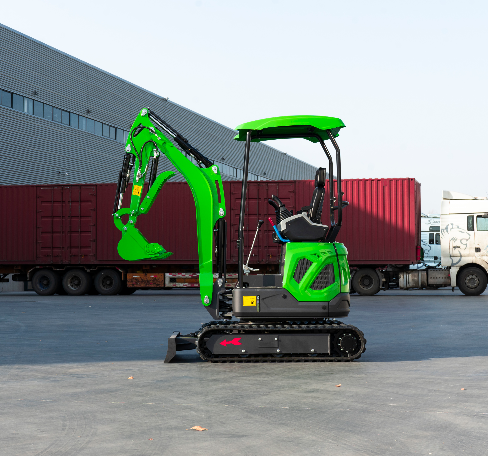
Across farms in Southeast Asia, orchards in southern Europe, and utility trenches in North American suburbs, one machine keeps showing up: the small excavator. Its global rise is not a accident of price alone but a match between how modern work is shaped and what a compact machine can do. Tighter lots, softer ground, and a demand for precise, low-impact digging explain why this class sells steadily in both agriculture and construction markets.
A Farm and a Utility Crew That Chose Compact Power
The Background — Work That Never Fits a Big Machine
A vineyard in a hilly region needed posts set between rows without tearing the root zone, and a municipal utility crew dug service trenches along narrow residential streets. Neither job had room for a twenty-ton excavator, yet both moved earth daily. A small excavator became the common tool because it could travel the lane and still dig a clean, controlled trench.
The Problem — A Large Excavator Could Not Reach
The full-size unit the contractor owned sat at the yard on the vineyard job, because its width and weight would have crushed the rows and torn the access track. On the street job, it could not enter the fenced backyard where the leak waited. Hiring it meant a half-day of manual labor first, just to reach the point where the machine could finally help.
The Solution — A Small Excavator on Both Sites
The operator brought a compact unit on a light trailer, rolled through the vineyard row with minimal soil marking, and switched to a narrow bucket for the street trench. The same machine handled post holes, root-ball work, and the service line without leaving the property. One trailer, one operator, and one machine covered both accounts for the week.
The Effect — More Jobs, Lower Cost
Fuel and transport dropped because the trailer matched a pickup, not a lowboy. The vineyard kept its root zone intact, and the utility finished the backyard without tearing the fence line. More jobs fit the same week, and the per-job margin rose because access and restoration cost fell to almost nothing.
Why Oversized Machines Lose These Jobs
Weight Damages the Ground It Should Save
A heavy excavator compacts wet field soil, crushes orchard roots, and rut lawns that then need repair before the real work counts. The damage cost often exceeds the digging saving, especially on farms where ground health drives yield. A lighter footprint preserves the surface the operator was hired to improve, turning a liability into the reason the machine was chosen. A compact unit keeps the soil structure intact so the next crop establishes faster.
Width Blocks the Access That Pays
Many paying jobs sit behind a gate, down a path, or between buildings where a wide boom cannot pass. A machine that cannot reach the work forces manual carry-in, which erodes the labor saving that justified the hire. Narrow profiles and retractable tracks exist precisely so the excavator reaches the job instead of stopping at the threshold. Jobs behind a narrow gate often pay premium rates because few machines can reach them.
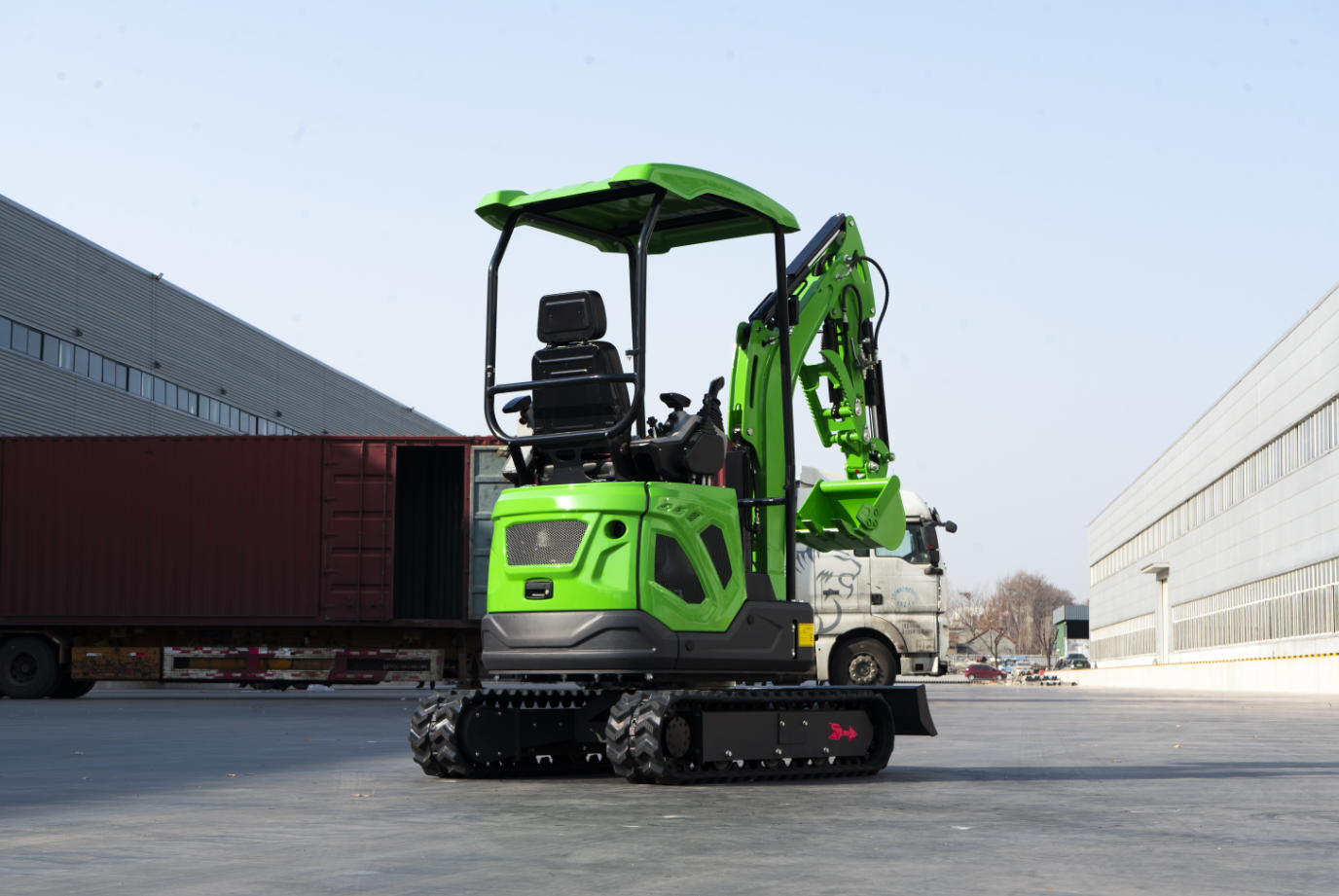
What Makes a Small Excavator Fit Global Demand
Precise Hydraulics Protect Delicate Work
Modern compact units use load-sensing hydraulics that deliver flow only where the cylinder asks for it, so the arm moves smoothly at low speed without lurching. That control matters when digging near pipes, roots, or foundations where a sudden jolt cracks what should stay whole. Precise hydraulics turn a digging tool into a surgical one, which agriculture and urban utilities both require.
Transport and Storage Stay Simple
A small excavator rides a standard trailer behind a pickup or van, needs no permit, and stores in a normal bay. That simplicity lowers the barrier for small contractors, farmers, and rental fleets who cannot justify a lowboy and a dedicated hauler. Easy movement between sites also raises utilization, because the machine spends time working rather than waiting to be trucked. Contractors report higher weekly job counts simply because the machine moves between sites without a permit.
Lower Ownership Cost Opens New Buyers
Purchase price, fuel burn, and consumable cost all sit well below a full-size unit, so owner-operators and emerging-market buyers can enter the market. The lower threshold expands the global customer base beyond large contractors to individual farmers and municipal crews. Steady demand from these分散 buyers is what keeps the class selling through economic swings.
Standards and a Buying Checklist
Global Compliance Buyers Expect
Earth-moving machinery follows ISO 20474 for safety requirements and ISO 12100 for risk reduction, with CE marking required under the European Machinery Directive. In the United States, OSHA 29 CFR 1926 governs construction use, and ANSI/SAE standards inform interface and stability design. A supplier that documents these alignments gives overseas buyers confidence the machine will clear local import and jobsite checks.
Inspect, Operate, and Maintain for Longevity
Confirm operating weight, width with tracks extended and retracted, and dig depth against the real gates and trenches before buying. Train operators on the specific controls, since load-sensing hydraulics respond differently from older open-center systems. Inspect tracks, boom pivots, and hydraulic lines daily, grease on schedule, and keep the undercarriage free of packed mud that accelerates wear and hides cracks.
A small excavator sells across global agriculture and construction because compact size, precise hydraulics, and low ownership cost fit the tight, varied, low-impact jobs that define modern work. Ground the choice in ISO 20474 and OSHA 1926 practice, and the machine pays back through access, not just digging.
Frequently Asked Questions
Question
Why are small excavators popular in agriculture? Their light footprint protects root zones and wet field soil that a heavy machine would compact or crush, while precise hydraulics dig clean post holes and trenches. Farmers reach rows a large excavator cannot enter, so more seasonal jobs stay in-house instead of hired out.
Question
What makes this machine suit construction? Narrow profiles and retractable tracks pass gates and fences where full-size booms cannot, reaching backyards and urban trenches. Low transport cost on a standard trailer raises utilization, and precise control limits damage to finished surfaces during utility and renovation work, which keeps restoration cost low on tight urban sites.
Question
Are these machines cheaper to own? Purchase price, fuel, and consumables all run below a full-size unit, lowering the barrier for owner-operators and emerging-market buyers. The lower threshold expands the customer base beyond large contractors, which is a key reason global demand stays steady across both developed and emerging regions.
Question
Which hydraulics help delicate digging? Load-sensing hydraulics send flow only where the cylinder requests it, giving smooth low-speed control without sudden lurches. That matters near pipes, roots, and foundations, where a jolt cracks what should stay whole, turning the excavator into a precise, low-impact digging tool that protects buried assets on every pass.
Question
What standards apply to this machine? ISO 20474 and ISO 12100 cover earth-moving safety and risk reduction, with CE marking required in Europe and OSHA 29 CFR 1926 governing U.S. construction use. ANSI/SAE informs stability design, and documented compliance eases overseas import and jobsite acceptance, which matters for cross-border buyers and their local distributors alike.
Question
What should I check before buying one? Confirm operating weight, extended and retracted track width, and dig depth against real gates and trenches first. Train operators on the specific load-sensing controls, then inspect tracks, pivots, and hydraulics daily and keep the undercarriage clear of packed mud to avoid hidden cracks and premature wear.