
 EN
EN
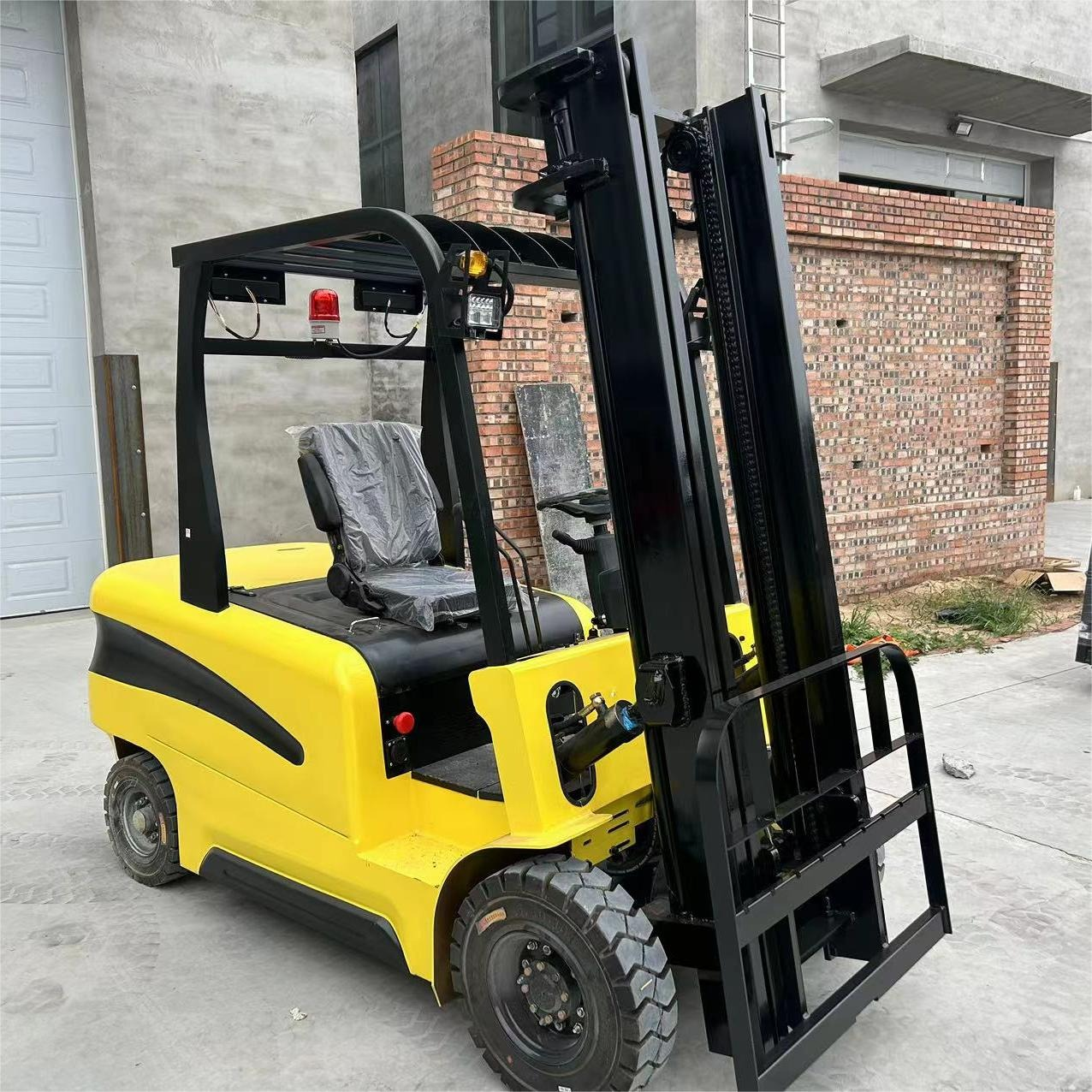
הבנת דרישות המטען: משקל, מרכז הכובד ותדירות הטיפול
ההבדל בין קיבולת המטען לקיבולת ההרמה
אחת השגיאות הנפוצות בעת בחירת רכבל פנימי מתאים היא בלבול בין קיבולת המטען וקיבולת ההרמה. קיבולת המטען היא המסה המרבית שהרכבל מסוגל לשאת במרכז המטען המוגדר, בתנאי סטטיים או על משטח שטוח, וזו בדרך כלל 24 אינץ' (61 ס"מ). מצד שני, קיבולת ההרמה היא כמות המסה שהרכבל מסוגל להרים בגובה מסוים באמצעות הכוחות המכאניים וההידראוליים של העמוד. הבחנה זו חשובה ביותר בעת בחירת רכבל פנימי, משום שכשמטען מועלה לגובה, נקודת המנוף המועילה שלו מקרבת אותו לעמוד, מה שמחליש את יציבות המטען. לדוגמה, רכבל עשוי להיות מדורג לשאת עד 3 טון, אך מסוגל להרים רק 2 טון כאשר המטען מועלה לגובה מקסימלי. על הפעילים לבדוק את הגבלות הרכבל מול המשימות הצפויות (למשל, תחבורה של מטענים על פני הקרקע לעומת הרמת מטענים לפסגה של מדף). התעלמות מהבחנה זו עלולה לגרום לחומת יתר הידראולית או להגביר את הסיכון להתהפכות. יש לבדוק את רשימת הגבולות של הקיבולת בתרשים קיבולת המטען של הרכבל, בהתאם לגובה ומיקום המטען, כדי לקבוע את קיבולת ההרמה.
איך מרחק מרכז הטעינה מקטין את הקיבולת האפקטיבית—ולמה זה קריטי בגודל המנוף במכולת
מרחק מרכז הטעינה הוא המרחק בין מרכז הכובד של הטעינה לפנים השיניים של המנוף. עבור פלטפורמה סטנדרטית באורך 48 אינץ' (כ-122 ס"מ), המרכז נמצא ב-24 אינץ' (כ-61 ס"מ). טעינות בעלות צורה לא סדירה, פלטפורמות שמתנשאות החוצה, וטעינות שמוערות באופן לא אחיד משפיעות כולן על הקיבולת האפקטיבית. לדוגמה, טעינה הנמצאת במרחק מרכז טעינה של 24 אינץ' עשויה להיות קבילה רק עד 2,666 פאונד (כ-1,210 ק"ג) אם נאמר כי הקיבולת המרבית היא 4,000 פאונד (כ-1,814 ק"ג) באותו מרחק. תוצאה זו נובעת מעקרונות המנוף, אשר לפיו זרוע ארוכה יותר עד נקודת ההטיה (הציר במקרה זה) מקטינה את המשקל המותר להרים בבטחה במרחק זה. בתכנון ובעיצוב מחסנים, מרחק מרכז הטעינה מהווה גורם מרכזי לקביעת הקיבולת, וכן הוא עקבה של עומסים מופרזים שלא תוכננו ולא נועדו. יש למדוד את הטעינות במציאות, ולהשוות את מידות הפלטפורמה לתרשים הטעינה המצורף למנוף. גם התנשאות קטנה של 3–4 אינץ' (כ-7.5–10 ס"מ) עלולה לגרום לכך שמנוף עם קיבולת נומינלית של 3 טון לא יהיה בטוח להרים טעינה של 2.5 טון.
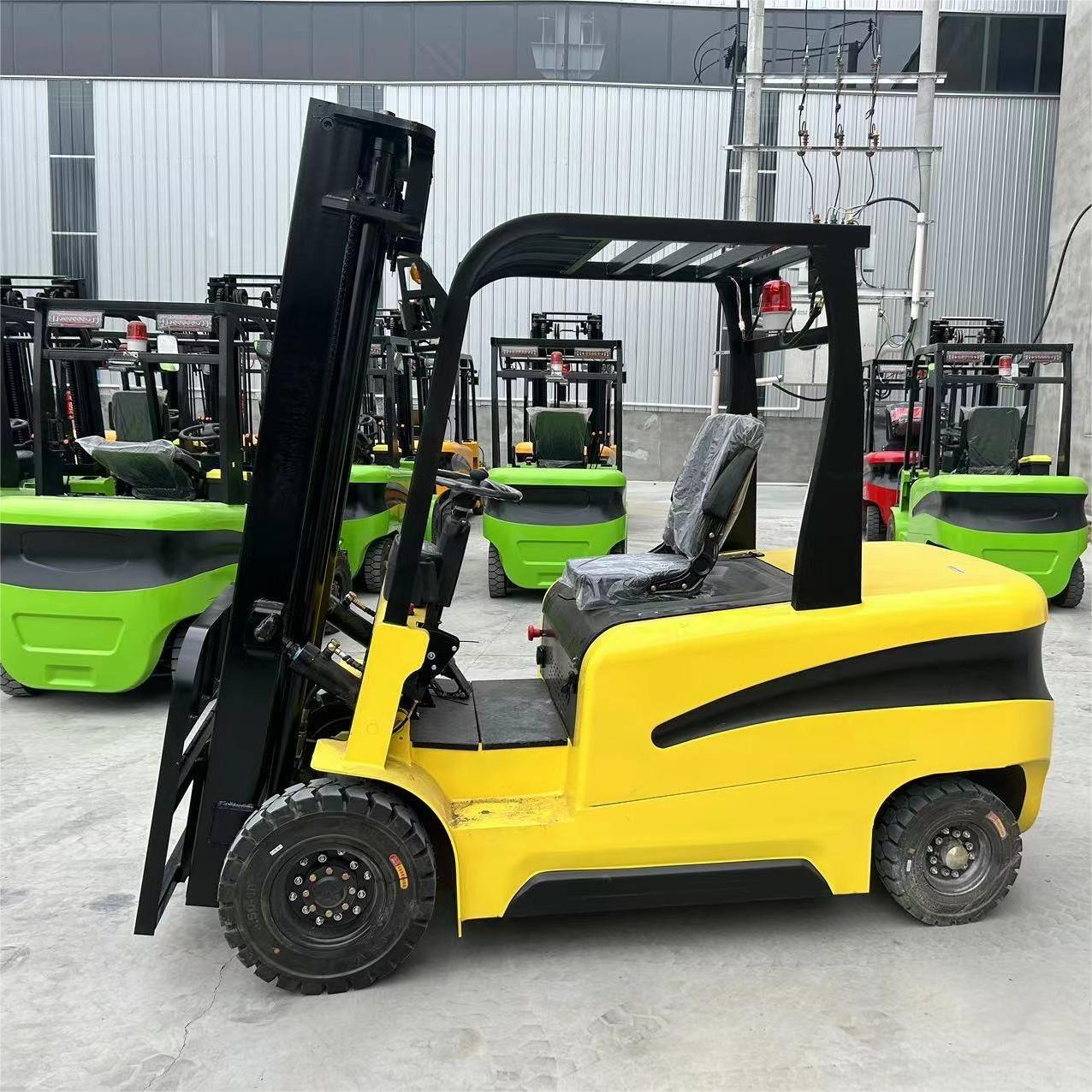
הערכת אילוצי תשתית המזון שקובעים את טונות והסוג של המניפלטורים
גובה המגירות ורוחב המעברים מגדירים את הגבול העליון לגודל המניפלטורים שניתן לקלוט במלאי לצורך הפעלה בטוחה. מצב הרצפות גם הוא קובע את סוגי המניפלטורים והקטגוריות המותרות. לכן, תכנון המחלקה בוחר מראש את קטגוריות המניפלטורים ואת הטונות המתאימות, כשמוגדרת סופית שטח הבניין.
רוחב מעברים, גובה מגירות ומצב הרצפות: התאמת גודל וטונות המניפלטור לחלל
המגבלה המיידית ביותר של שטח היא בדרך כלל רוחב המעברים. למזחלות סטנדרטיות עם מאזן נגדי דרושה רוחב תמרון של 12–13 רגל, ולמזחלות למעברים צרים דרושה רוחב תמרון של 6–7 רגל. אם רוחב המעברים קטן מ-10 רגל, האופציה היחידה הפעילה היא מזחלה למעברים צרים או מזחלה מסוג 'ריץ' (Reach), אשר מוגבלת בקיבולת של 1–3 טון בשל מבנה הקומפקטי שלה. גובה מערכת המזגרות יקבע את יכולת ההרמה של המזחלה. לדוגמה, מערכת מזגרות בגובה 30 רגל תדרוש מזחלה עם עמוד הרמה בגובה 30 רגל, מה שידרש משקולות נגד גדולות יותר ומסגרת כבדה יותר, ובכך יגביר את משקל המזחלה בטונות. מצב הרצפה כולל את סוג המשטח והעומס המקסימלי שהרצפה יכולה לשאת. מזחלה במשקל 4 טון הנושאת עומס מלא יכולה ליצור עומס מרוכז העולה על 10,000 PSI, מה שיכול לעלות על דירוג העומס המתוכנן של לוחות בטון ישנים. במצב כזה ניתן להשתמש במזחלה בקיבולת נמוכה יותר, ו/או לחלק מחדש את העומסים, ו/או לחזק את הרצפה. תכנון מקרי שימוש אלו מבטיח שהתאמות הממדים, המשקל, גובה עמוד ההרמה ולחץ הקרקע של המזחלה יתאימו לאילוצים של הבניין.
נפח מעבר ותבניות משמרות: קישור בין דרישת הפעולה ליכולת המנוף (1–3 טון, 4–6 טון, 6 טון+)
נפח הזרימה, המוגדר כמספר הפאלטות שזוזות בתוך פרק זמן מוגדר, קובע את משקל ההרמה, את העמידות והמהירות של המנוף. מחסן שמופעל במשמרת אחת ומזיז פחות מ-200 פאלטות ביום יכול לפעול באופן יעיל עם מנוף במשקל 1–3 טון. פתרון זה תקף במקרים שבהם המשקל המועמס קטן מ-2,500 ליברה והמרחקים שהמנוף צריך לעבור אינם ארוכים. מתקן שמופעל במספר משמרות (שתי משמרות או שלוש) ומזיז 500 פאלטות ויותר ביום יצטרך מנוף במשקל 4–6 טון, וכן יחידות במשקל גבוה יותר אם נדרשים מהירות גבוהה יותר, עמידות גבוהה יותר ומחזורים של עבודה חזקים יותר. המחלקה של 6 טון ומעלה שמורה לפעולות הדורשות עלות יחידה נמוכה עבור זמינות גבוהה, כמו מרכזי דיסטריביוציה המוניים או קווי ייצור, שבהם המשקל המועמס הוא באופן קבוע מעל 4,000 ליברה. בחירת מערכת הכוח משפיעה גם היא על דפוסי המשמרות. עבור פעילות במספר משמרות, למנופים החשמליים יש צורך בסוללה בעלת קיבולת גבוהה (אמפר-שעה) או בתהליך טעינה אופורטוניסטית. התאמת משקל ההרמה של המנוף לתפוקה המאומתת ודפוסי המשמרות עוזרת להימנע משימוש כפול לא תקין במנוף ומעודדת את הסרת צוואר הבקבוק הפעלי.
בחרו את מחלקת וסוג המנוף הנכונים ליישום המאגר שלכם
עיצובים מגוונים משרתים סביבות שונות. הכרת ההבדלים עוזרת לקבוע את המחלקת והסוג הנכון של המנוף כדי למקסם את הבטיחות והיעילות.
הטונה האופטימלית ותרחישי השימוש במאגר עבור מנופי ניגוד, מנופי הגעה ומנופי איזור צר
סוג המנוף, טווח הטונות הרגיל והיישום העיקרי
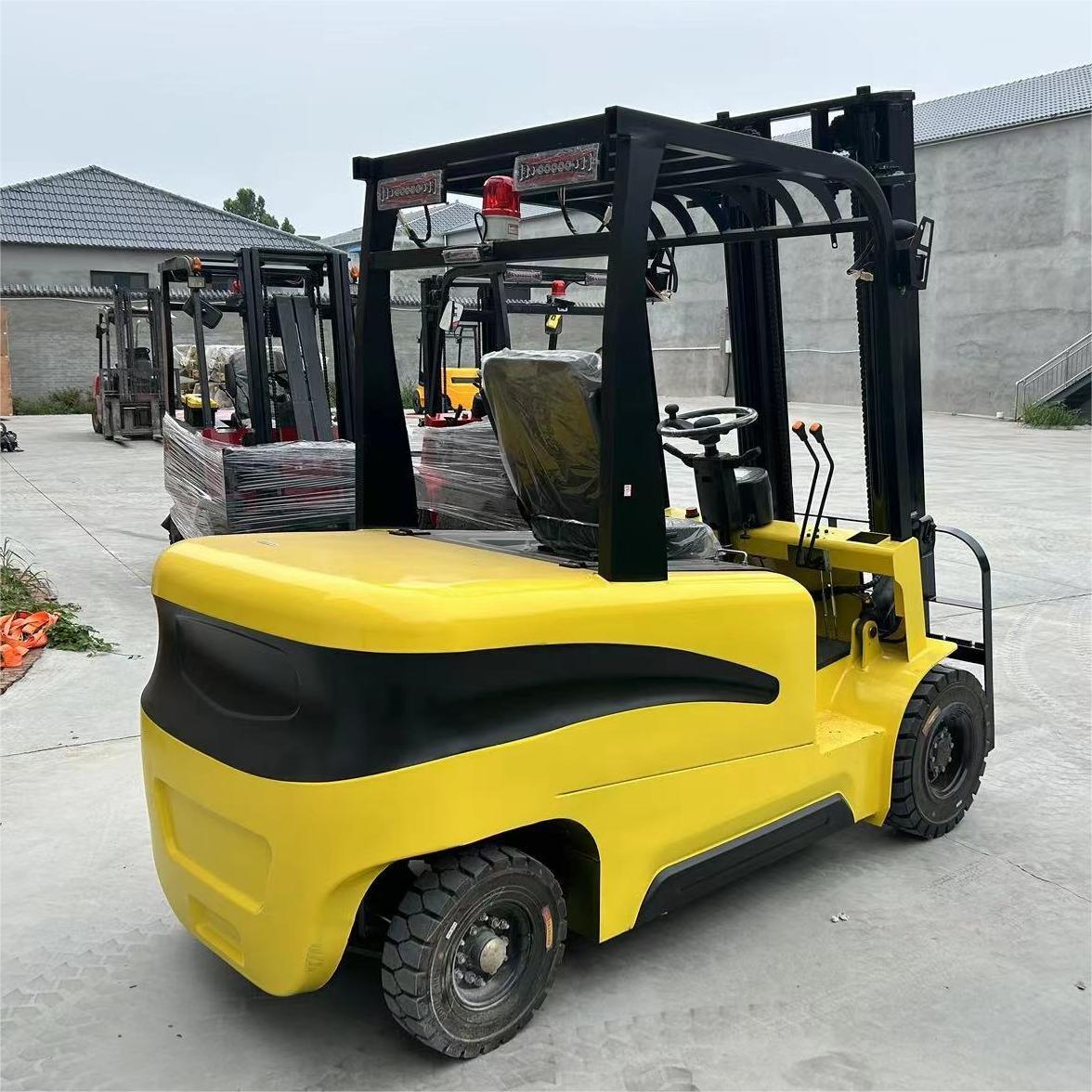
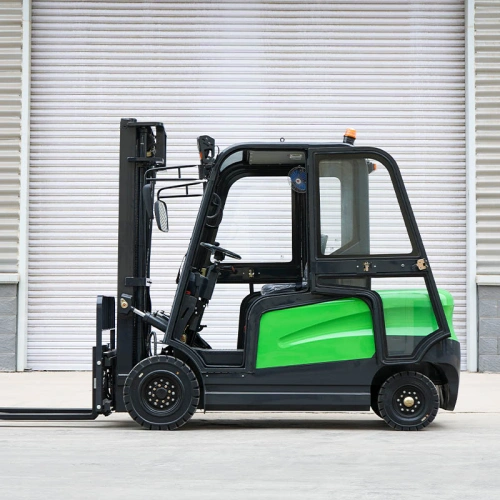
מנוף ניגוד: 1–5 טון, מזיז פלטות במאגרים פתוחים.
מנופי הגעה: 1–2.5 טון, מזיזים פלטות לאחסון בגובה של עד 12 מטר, עובדים באיזורים רחבים של 2.3 מטר עם זרועות שמתארכות.
מנופי איזור צר: 1–1.8 טון, עובדים באיזורים צרים מ-2 מטר, מזיזים פלטות באחסון בצפיפות גבוהה
השתמש במוניות נגדיות למשימות עם עומסים גדולים באזורי פיתוח פתוחים הוא הגיוני, מאחר שמוניות נגדיות משתמשות במשקל נגדי אחורי, אך הן דורשות שטח פעילות רב, מה שפירושו שהשימוש האופטימלי בהן הוא באזורים של מיקום זמני ובדוכנים לקבלה. מוניות הושטה מחליפות את קיבולת העומס כדי להשיג גישה טובה יותר למרחב אנכי ולגובה, על ידי פעילות בשטח קטן יותר ובאשכולות רחבים יותר, אך כתוצאה מכך הן יוצרות אחסון אנכי צפוף מאוד בנמלים התפלוגתיים. דגמים לאשכולות צרים מתמודדים עם יעילות מרחבית גבוהה באיזורים צרים יותר, אך כתוצאה מכך הם מתאימים ביותר לעומסים קלים, אך בעלי תדירות גבוהה, ולא לעומסים גדולים. לפני שתסיימו את בחירת הציוד, פנו למומחים מוסמכים בתחום טיפול בחומרים והערכו באופן מעמיק את זרימת העבודה שלכם, פרופילי העומסים שלכם ואת תכנון המרחב שלכם כדי להקטין את דרישות היישום שלכם ולמלא את הפערים בין المواصفות של הציוד שלכם.
הערכת שלמות מבנית: דרגת עגלה, עיצוב עמוד התווך ומחזור עבודה
יש לוודא את שלמות העיצוב של המוט והשאיבה בעת רכישת רולר חדש. דרגת השאיבה קובעת את המטען המרבי שניתן לשאת במסגרת הסניפים ללא עיוות קבוע. עיצוב המוט משפיע על גובה ההרמה ו/או על נראות האפקטור ועל הבלאי לאורך זמן. כאשר רולר משמש בתפעול מתמשך 24/7, רולר מסוג 'מטענים בינוניים' יגרום במהרה לבלאי בלחיצות המוט, חותמי ההידראוליקה וסנניות השאיבה. בעת רכישת רולר חדש, המרחק בין צילינדרי הנטייה ותנאי הסנניות הם מאפיינים עיצוביים חשובים, כמו גם שלמות הלחיצות וตรงות הערוצים. בסך הכל, העיצוב ומחזור העבודה של הרולר חייבים להתאים למטרות הפעלה ותחזוקה של המחסן. הבטחת שלמות המאפיינים העיצוביים חשובה בהרבה מהגעה לדרישות המינימום של תקני OSHA 1910.178 או ANSI B56.1. הפסקות עבודה לא מתוכננות מופחתות, עלויות תחזוקה מוגבלות, ובטיחות במקום העבודה משתפרת.
שאלות נפוצות
מה ההבדל בין קיבולת המטען לקיבולת הרמה?
קיבולת המטען היא המשקל המרבי שהמונח יכול לשאת בנקודת מרכז המטען שצוינה במצב סטטי. קיבולת הרמה היא המשקל המרבי שהמונח יכול להרים בבטחה. יש לקחת בחשבון את שני סוגי המטענים הללו בעת רכישת מונח מתאימה.
איך מרחק מרכז המטען משפיע על קיבולת המונח?
כשמרחק מרכז המטען גדל, היציבות של המונח קטנה עקב הסיכון הגובר להתהפכות. יש לשים לב בקפידה למדידות של מרכז המטען כדי להבטיח תפעול בטוח של המונח.
אילו גורמים משפיעים על בחירת המונח במחלקה ובסוג?
רוחב המעבר, גובה המגירות, נפח התפוקה והמשקל של המטען עוזרים לקבוע איזו מחלקה של מונח יש לבחור ואיזה סוג יש לבחור כדי לסייע בקביעת תפעול בטוח ויעיל בתנאים שנקבעו.
מהי החשיבות של אימות שלמות המבנית בעת בחירת מונח?
הדרגה המבנית של הגרר, התורן ועיצוב מחזור העבודה משפיעה על הבטיחות, היעילות והימנעות מפגיעות במכונה.