
 EN
EN
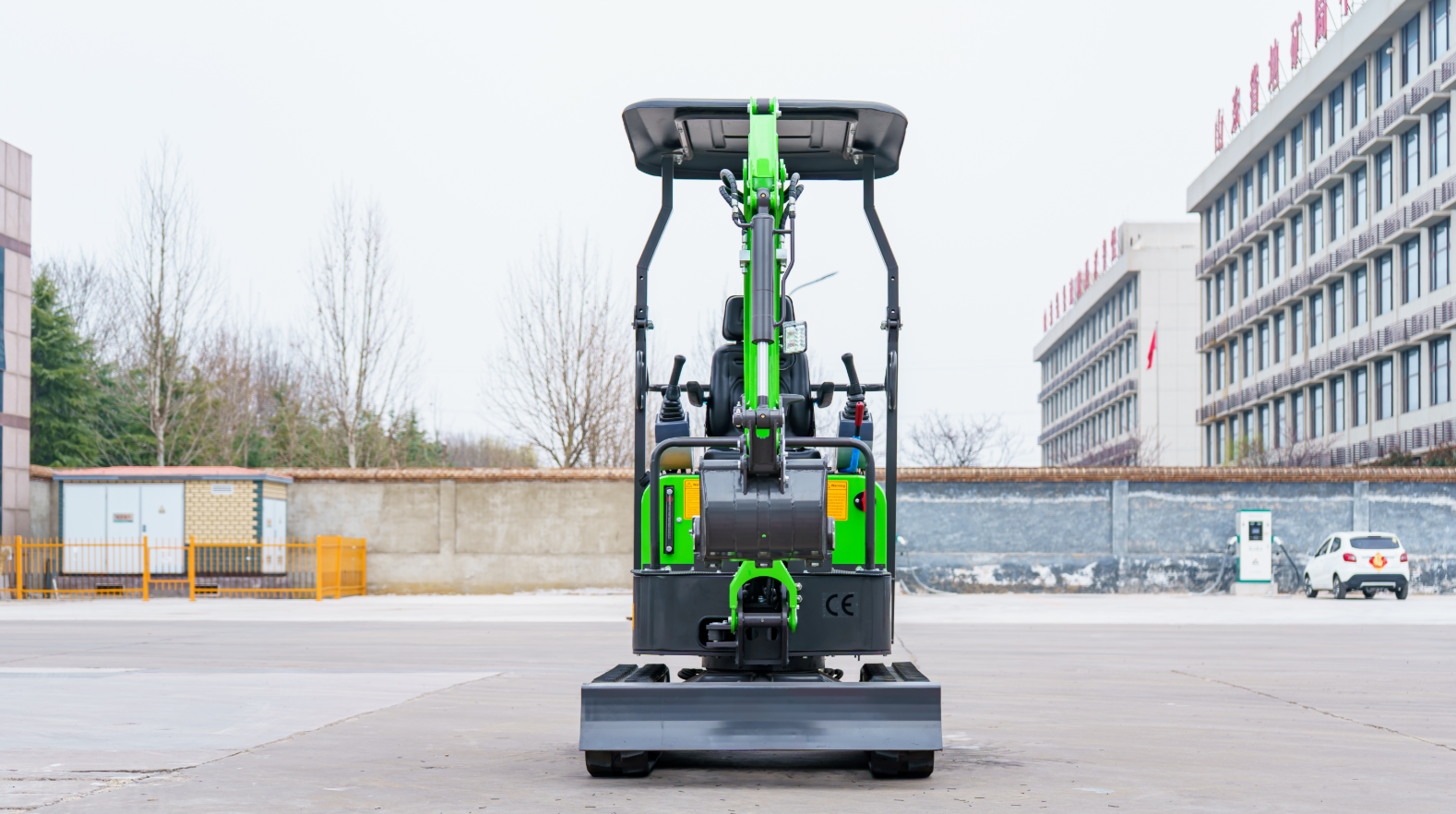
Essential Pre-Start and Post-Operation Checks for Longevity
A 2023 industry report on construction equipment maintenance found that 68% of excavator failures stem from inadequate daily checks—costing operators an average of $180,000 per machine annually in downtime. Implementing a structured pre-start and post-operation routine reduces breakdowns by 75% and extends equipment lifespan by 35%.
-
Pre-Start Verification: Verify fluid levels—including engine oil, hydraulic fluid, coolant, and fuel—to ensure optimal performance and prevent component damage. Inspect for visible leaks around hoses, seals, and fittings.
-
Post-Operation Walk-Around: Conduct a full walk-around to identify new damage, loose bolts, or debris buildup—especially near cooling fins, hydraulic lines, and exhaust components.
-
Lubrication & Undercarriage: Grease all designated points (boom, stick, bucket pins, swing bearing) per the schedule. Check track tension and undercarriage condition to prevent costly chain or sprocket failure.
-
Safety Confirmation: Confirm all safety devices—lights, alarms, emergency stops, ROPS/FOPS integrity—are fully functional.
Identifying Early Warning Signs: Leaks, Noises, and Drops
Early detection is the most cost-effective form of repair. Operators trained to recognize subtle anomalies can prevent major failures before they escalate.
-
Fluid Leaks: Often appear as puddles or wet spots under the machine, indicating compromised seals, gaskets, or hoses. Addressing them immediately prevents catastrophic hydraulic system failure.
-
Abnormal Noises: Grinding, squealing, or knocking point to worn bearings, loose fasteners, or hydraulic pump cavitation; shifts in engine tone may reveal air intake restrictions.
-
Performance Drops: Sluggish boom response, reduced digging force, or inconsistent bucket curl suggest hydraulic pressure loss, internal leakage, or filter bypass.
Scheduled Preventive Maintenance for Excavators
OEM-Recommended Maintenance Intervals (100-, 250-, 500-Hour Tiers)
Manufacturers design service schedules around scientifically validated milestones to align with wear patterns:
-
100-Hour Tier: Targets high-stress lubrication points (greasing pins), cleaning radiator/oil cooler cores, and verifying track tension.
-
250-Hour Tier: Shifts focus to fluid integrity—replacing engine oil and filters, changing primary fuel filters, and inspecting hydraulic filters.
-
500-Hour Tier: Expands to hydraulic oil sampling, final drive oil checks, and comprehensive undercarriage assessment.
A 2023 analysis by the Association of Equipment Manufacturers (AEM) found machines adhering to these intervals reduced emergency repair costs by 34% over three years.
Balancing Maintenance Frequency: Avoiding Pitfalls
-
Under-Maintenance: Skipped 250-hour oil changes accelerate sludge formation; neglected track tension hastens pin and bushing wear.
-
Over-Maintenance: Replacing filters or fluids based strictly on calendar time rather than condition wastes resources. A 2024 Deloitte study showed excessive swaps inflated annual operating costs by 15% with no gain in uptime.
Critical Excavator Systems Requiring Targeted Maintenance
Hydraulic System Care
Solid contaminants cause over 70% of hydraulic system failures in heavy equipment (International Fluid Power Exposition, 2023).
-
Fluid Sampling: Align with OEM 500-hour intervals to detect particle counts, moisture, or oxidation early.
-
Filter Replacements: Replace return and pressure filters per manufacturer guidance—typically every 1,000 operating hours.
-
Contamination Prevention: Use clean, dedicated transfer pumps and cap disconnected hoses immediately to avoid repairs exceeding $4,000.
Undercarriage Maintenance
Correct track tension directly impacts stability, fuel efficiency, and longevity. Improper tension can cut undercarriage life by up to 50% (Construction Equipment Magazine, 2022). Calibrate daily using a straightedge between the sprocket and idler, measuring sag against OEM specifications to prevent accelerated chain stretch.
Frequently Asked Questions (FAQ)
-
Q: Why are daily pre-start checks so important for excavators? A: Daily pre-start checks help identify issues like fluid leaks and low levels before they cause major component failures, minimizing downtime and repair costs.
-
Q: How often should hydraulic filters be replaced? A: Hydraulic filters should be replaced per manufacturer guidelines, typically every 1,000 operating hours, but more frequently in high-contamination environments.
-
Q: What is the impact of improper track tension on excavators? A: Improper track tension can reduce undercarriage life by up to 50%, affecting stability, fuel efficiency, and overall equipment longevity.
-
Q: Can over-maintenance be harmful? A: Yes, excessive maintenance can waste resources without improving reliability, inflating operating costs unnecessarily.
-
Q: How do telematics improve maintenance decisions? A: Telematics provide real-time operating data, allowing operators to align maintenance intervals with actual usage rather than rigid time schedules.