
 EN
EN
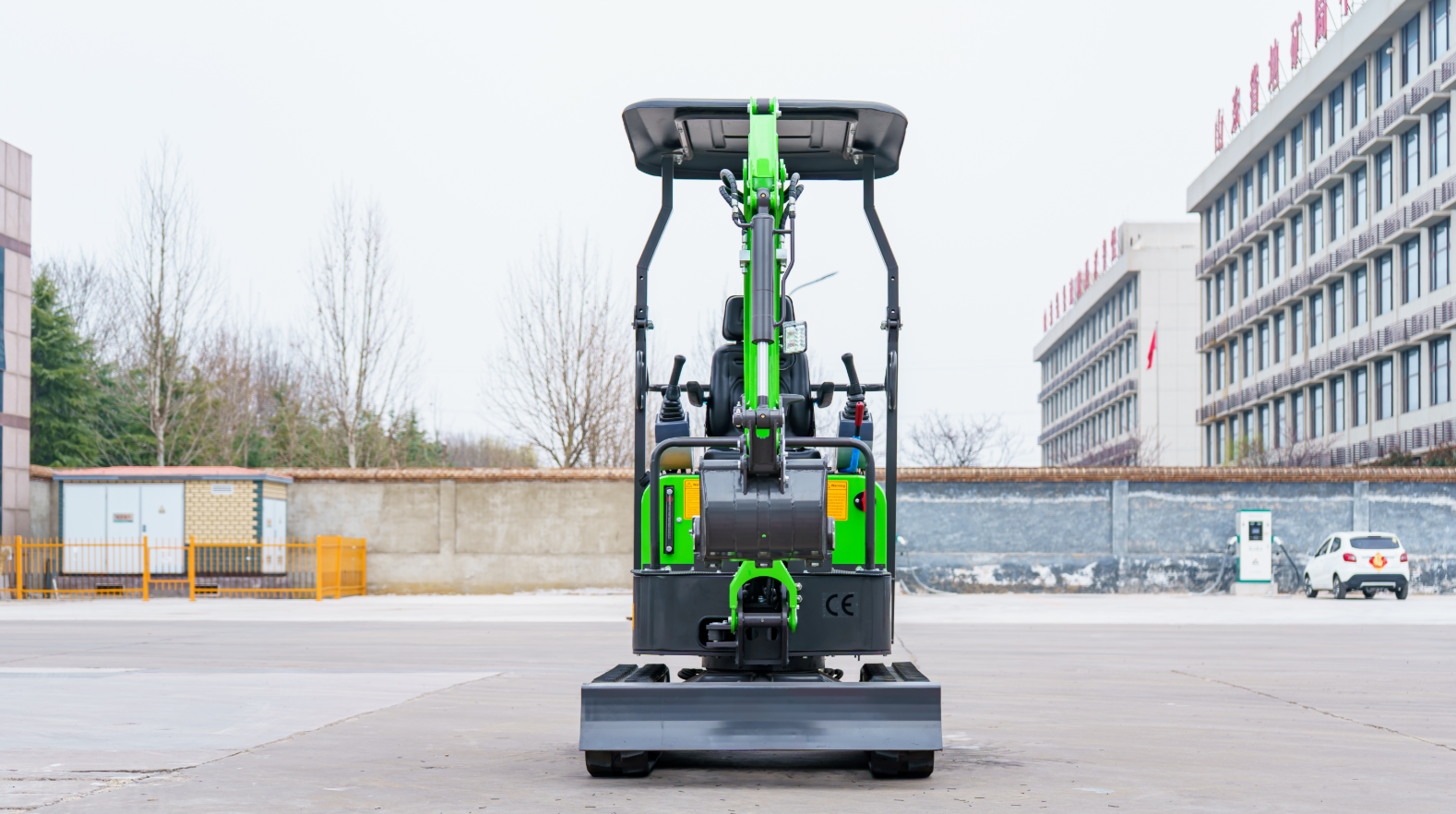
Lykilaðilar áður en verkið hefst og eftir að verkið er lokið til að lengja líftíma
Ársrapport frá 2023 um viðhald byggingaútbúnaðar komst að því að 68% af gallum í rýrnimávélum stafa af ónógu daglegum athugunum – sem kostar rekendur í meðaltali 180.000 Bandaríkjadollara á hverri véli á ári í útpás. Með því að innleiða skipulagða athugun áður en verkið hefst og eftir að verkið er lokið minnkar fjöldi bilunar um 75%og lengir líftíma tæknisins um 35%.
-
Athugað fyrir ræsingu: Athugið vötnivá (t.d. olía fyrir vél, hýdrólíkuvökva, kælivökva og bensín) til að tryggja besta afköst og koma í veg fyrir skemmdir á hlutum. Athugið sýnilegar leka í kringum slöngur, þéttunir og tengi.
-
Umferð eftir notkun: Gerðu fulla umferð til að greina nýjar skemmdir, losnaðar skrúfur eða safn af rusli—sérstaklega nær kælihjólum, hýdrólíkuþráðum og útgangshlutum.
-
Smurning og neðri hluti bílsins: Smurðu öll ákveðin punktar (búggi, stafur, kökur, snúningstæki) samkvæmt áætlun. Athugið spennu á röndum og ástand neðri hluta bílsins til að koma í veg fyrir dýra bilun á keðjum eða tannhjólnum.
-
Staðfesting öryggis: Staðfestið að allar öryggisviðeigandi aðgerðir—ljós, varnarljóð, neyðarstöðvun og heildarráðstafanir ROPS/FOPS—virki fullkomlega.
Aðgreining á upphafstilvísunum: Leakar, hávaði og fall í afköstum:
Upphafleg greining er kostnaðarhræðilegasta formi viðgerða. Starfsfólk sem er þjálfað til að greina lítil frávik getur komað í veg fyrir alvarlega bilun áður en hún verður meiri.
-
Útlekaþur: Birtast oft sem vökviður eða rönd undir vélinni, sem bendir á að þéttunir, gasketar eða slöngur hafi verið skemmdar. Að ráða við þeim strax krefst þess að koma í veg fyrir alvarlega tjón í hydraulískum kerfum.
-
Óvenjulegir hljóðar: Kvörnun, skrík og klappan bendir á slitaða ágisker, losna fastihlutana eða holusömun í hydraulískum pípum; breytingar á hljóði vélanna geta bent á takmörkun á loftinntökunni.
-
Minnkað afrek: Hægri svar við stutti, minni grófukraftur eða ójafn curl á kössunum vísa til tapa á hydraulískum þrýstingi, innri leka eða yfirflæðingu á síu.
Áætluð forvarnaráhættuviðhald fyrir grófuvél.
Viðhaldsbráður frá upprunalegu framleiðandanum (100-, 250-, 500-tíma bráður).
Framleiðendur hanna viðhaldsáætlunina út frá vísindaleglega staðfestum ákveðnum tímapunktum sem samræmast slitaskeiðum:
-
100-tíma bráður: Markar háþrýstis smurrunarsvæði (smurrun á pínunum), hreinsun á hitaflæðisvél/olíuflæðisvél, og staðfesting á spennu á röndum.
-
250-tíma stig: Bendir átt að fljótu heild: skipta olíu í vél og síur, skipta aðal síum fyrir bensín/dísil, og skoða hydraulískar síur.
-
500-tíma stig: Framleiðir til að taka úrpróf af hydraulískri olíu, athuga olíu í lokadreifingum og framkvæma almenna mat á undirbúningi.
Greining árið 2023 eftir Association of Equipment Manufacturers (AEM) sýndi að vélar sem fylgdu þessum tímabilum lækkuðu kostnað vegna óvæntra viðgerða um 34%á þremur árum.
Jafnvægi viðhaldsfrequency: Forðast villur
-
Of lítið viðhald: Hægð á 250 klukkustunda olíuskiftum áhrifar myndunar slímáa; óvörðuð spenni á röndum hröðar slit á pinnunum og búsingum.
-
Ofmargföld viðhaldsstarf: Skipting á síum eða vægi samkvæmt tímabili í stað ástandsskilyrða eyðir auðlindum. Rannsókn Deloitte árið 2024 sýndi að ofmargföld skipting eykti árlega rekstrar kostnað um 15%án þess að bæta notkunartíma.
Lykilkerfi í grófum sem krefjast stefnuduðs viðhalds
Viðhald á loftkerfi
Fastar óhreinindi valda yfir 70% af hýdraulískum kerfisbilunum í þungum vélmunum (International Fluid Power Exposition, 2023).
-
Vægisprufur: Hlutaðu við 500 klukkustunda biðtíma framleiðanda til að greina deilur, rúst, eða oxun á fyrirtíð.
-
Skipting á síum: Skiptu um skiljusíur fyrir inn- og útflæði samkvæmt leiðbeiningum framleiðanda—venjulega eftir hverjar 1.000 virkjunarstundir .
-
Ábót áður verið mengun: Notaðu hreinna, sérstaklega fyrir þetta ætlaða yfirfærslupumpur og loktu strax viðskiptahálsunum þegar þeir eru afturklofnir til að koma í veg fyrir viðgerðir sem gætu verið dýrari en 4.000 USD.
Viðhald neðan við bíl
Rétt spenni á röndum hefur bein áhrif á stöðugleika, bensínþátt og líftíma. Rang spenni getur minkað líftíma neðan við bíl um allt að 50% (Construction Equipment Magazine, 2022). Stilltu daglega með beinlínu milli tannhjóls og snúðs og mælið saginn miðað við upprunalegar framleiðandaskilyrði til að koma í veg fyrir hröðun á keðju.
Algengar spurningar (FAQ)
-
Sp.: Af hverju eru daglegar athuganir áður en vél er rökkvöð svo mikilvægar fyrir grófuvél? Frá: Daglegar athuganir áður en vél er rökkvöð hjálpa til við að greina vandamál eins og lekja væta og lága vísnisstöðu áður en þau valda alvarlegum bilunum á hlutum, sem minnkar óvirkni og viðgerðarkostnað.
-
Spurning: Hversu oft ætti að skipta um hydraulískar síur? Frá: Hydraulískar síur ættu að skipta út samkvæmt leiðbeiningum framleiðanda, venjulega eftir hver 1.000 virkjunartíma, en oftari skipting er nauðsynleg í umhverfi með háum mengunargildum.
-
Spurning: Hver er áhrif órétt spennu á röndum á grófgrávurum? Frá: Órétt spenna á röndum getur minkað líftíma undirbúnaðar upp í 50%, sem áhrifar stöðugleika, bensínþátt og almennt líftíma tæknisins.
-
Spurning: Getur ofmargt viðhald verið skaðlegt? Frá: Já, ofmargt viðhald getur eytt auðlindum án þess að bæta áreiðanleika og hækka rekstrar kostnað óþarfa.
-
Spurning: Hvernig bæta telematíkkerfi viðhaldsákvörðanir? Frá: Telematíkkerfi veita rauntíma gögn um virkjun, sem gerir rekstraraðilum kleift að samræma viðhaldsbrögð við raunvirka notkun í stað fastsettra tímaskeiða.