
 EN
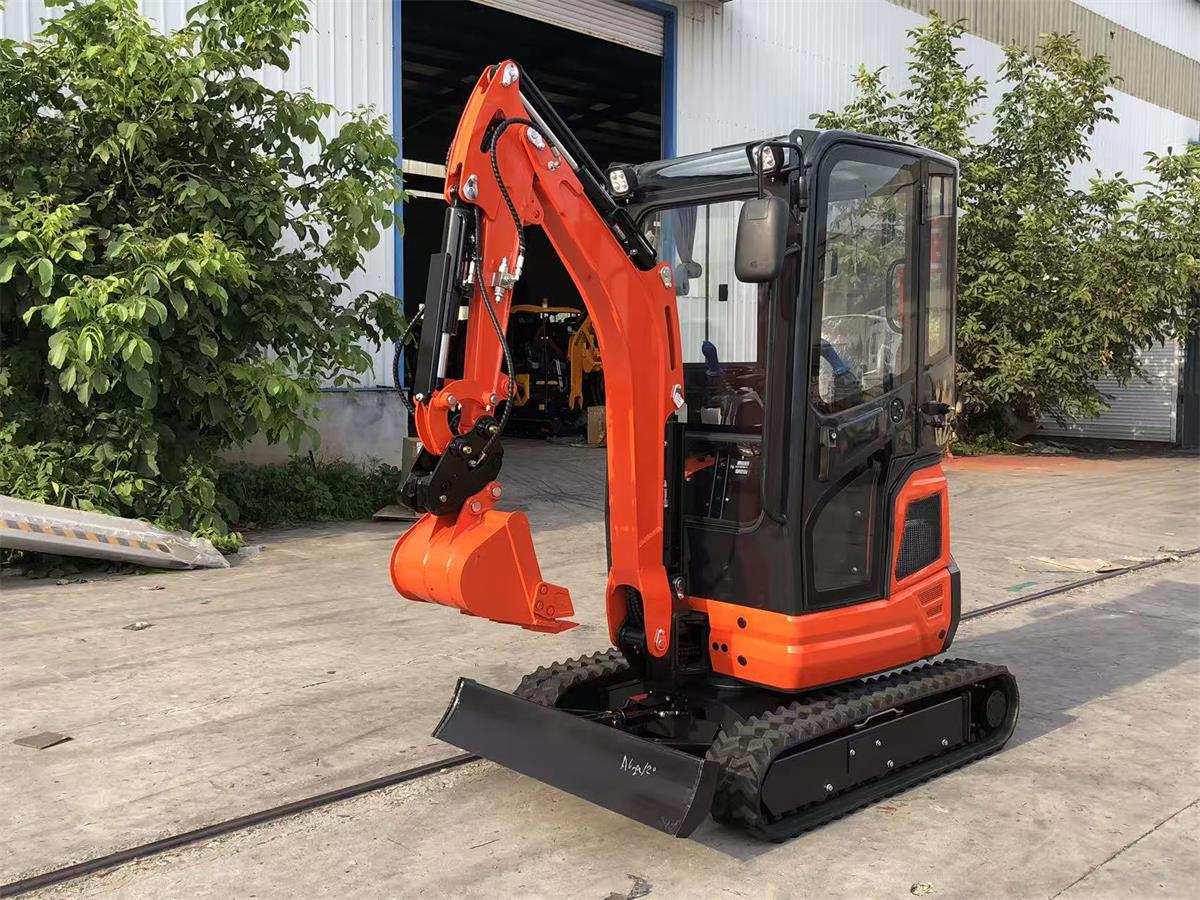
Muddy and soft ground stops many compact machines before the real work begins. A mini skid steer fitted with rubber tracks spreads machine weight across a wide contact patch, so it stays on top of saturated soil instead of punching through. On wetland edges, freshly graded clay and rain-soaked jobsites, flotation matters more than raw horsepower. Tracked undercarriage design turns otherwise impassable ground into productive working space and protects finished surfaces from rut damage.
How Ground Pressure Physics Keep a Tracked Loader on Top of Mud
Why low ground pressure prevents sinking
A mini skid steer on rubber tracks reduces ground pressure because the load is shared over a long, flat footprint rather than two narrow tire lines. Ground pressure is machine weight divided by contact area, a simple ratio that decides whether soil supports the machine or collapses beneath it. Wheeled units concentrate that weight on small contact stripes, so pressure spikes and the equipment digs in within a few metres. Tracks multiply the contact area several times, dropping pressure into a range that soft soil can hold without sink-in.
Track width and contact patch explained
On a mini skid steer, wider tracks create a larger contact patch, which is the single biggest lever against sinking on weak ground. A soft ground loader gains float by extending track length and width instead of adding ballast that only deepens ruts. Operators should match track width to jobsite conditions: narrow tracks suit firm access lanes, wide tracks suit mud terrain where sink-in is the main threat. The relationship between width and pressure is predictable, so crews can plan crossings before equipment reaches the wet zone.
Traction and Flotation Advantages on Soft Ground
Continuous track grip versus wheel spin
Wheeled loaders lose traction the moment a wheel breaks the surface, then spin and churn the soil into deeper slurry. A tracked skid steer keeps multiple drive lugs engaged with the ground at all times, so drive force transfers evenly and the machine climbs out of ruts instead of digging further. On mud terrain this difference decides whether a task finishes in one controlled pass or strands the equipment awaiting recovery. Continuous contact also smooths travel over uneven, yielding surfaces.
Flotation over saturated soil and clay
Flotation is the ability to ride on the surface of weak ground without breaking through. A mini skid steer benefits because a low ground pressure footprint lets the loader skim wet clay and sodden topsoil while protecting the surrounding surface from compaction and tearing. For landscaping, utility trenching and drainage work this keeps adjacent ground intact and lets the machine move between work points without laying new tracks of damage. The principle applies across most saturated soil profiles found on active sites.
Anti-Sink Design and Undercarriage Protection
Rubber track and weight distribution
On a mini skid steer, rubber tracks flex to follow ground contours, spreading load and shielding the undercarriage from sharp debris buried in soft soil. Even weight distribution across the track frame limits the point loads that cause local sinking. A correctly set track tension keeps the belt seated, supporting the loader on soft ground without lateral wallow that wastes energy and widens ruts. Replacing worn pads restores the designed footprint before pressure rises beyond safe limits.
Stability on slopes and wetland edges
Soft ground often sits beside water or on graded slopes, where a wheeled machine tips easily on a greasy bank. The broad base of a tracked skid steer lowers the center of pressure and resists rollback on slick edges. ANSI and OSHA operator guidance stresses stable footing before any movement, a rule that track design satisfies far better than narrow wheels. Working from a firm bench and approaching wetland at a shallow angle further reduces the risk of side slip.
Jobsite Scenarios and Operator Guidance
Real drainage project case
A municipal drainage crew faced a saturated field after autumn rains, where a wheeled loader sank within metres and blocked a culvert clearing schedule. Background: the trench line ran through clay that turned to slurry under traffic. Problem: every wheeled pass bogged and needed recovery, halting progress. Solution: the contractor switched to a mini skid steer with wide rubber tracks, worked from a firm access lane, extended the tracks and moved spoil in thin layers. Effect: the crew cleared roughly 40 metres of ditch in a single day with no recovery delays, and the soft ground loader left the field surface intact for the follow-up seeding.
Inspection, use and maintenance tips
Buyers should verify rated ground pressure on the spec sheet and confirm rubber track width suits local soil before purchase. Inspect the undercarriage daily for embedded stone and check track tension against the manual. Use low ground pressure settings by avoiding extra ballast and keeping travel slow on wet planes. Maintenance means washing tracks after mud terrain work and storing the machine on a dry pad to prevent rubber cracking, following basic ISO storage guidance for elastomer components. Routine care protects both flotation and resale value.
Choosing the right footprint turns weak ground into workable space. A mini skid steer with rubber tracks delivers flotation, traction and anti-sink stability that wheeled units cannot match on mud terrain. Spec sheets, operator training and routine undercarriage care protect both the machine and the jobsite. For soft ground loader duties, track design remains the practical answer where the soil will not hold a wheel.
Frequently Asked Questions
Question
Why does a tracked model outperform a wheeled unit on mud terrain?
Answer: Tracks spread machine weight across a long footprint, cutting ground pressure far below wheeled contact lines. Lower pressure means the machine floats instead of sinking, so traction stays constant through ruts and slurry. The result is fewer recovery stops and steady progress on saturated jobsites where wheels would spin and bog down. Continuous lug contact also smooths travel over yielding, uneven surfaces without churning the soil.
Question
What ground pressure value indicates a soft ground loader is suitable?
Answer: A mini skid steer designed for weak soil typically shows ground pressure in the low single-digit psi range, far under wheeled equivalents. Buyers should compare spec-sheet figures against local soil bearing capacity and choose the widest practical track. Lower pressure supports flotation on clay and wetland without compaction or sink-in during trench and drainage work. Confirm the number from the technical data rather than marketing claims before committing to a purchase.
Question
How should operators inspect tracks before soft ground work?
Answer: Walk the undercarriage daily and remove embedded stone, check track tension against the manual, and confirm no sidewall damage. Proper tension keeps the belt seated so load spreads evenly across the footprint. Loose tracks wander and dig in; over-tight belts strain idlers and waste power. A five-minute check before mud terrain entry prevents most sink events and unplanned downtime, keeping the loader mobile through the wettest part of the shift.
Question
Which soil types benefit most from rubber track flotation?
Answer: Saturated clay, freshly graded topsoil, wetland margins and rain-soaked lawns gain the most from track flotation. These surfaces collapse under narrow wheel loads but support a wide track footprint. Utility, landscaping and drainage crews rely on flotation to protect finished surfaces while moving spoil between points. Firm gravel, crushed stone and concrete show little advantage from extra track width, so width matters most where the ground yields under pressure.
Question
When is track width more important than engine power?
Answer: On weak, saturated ground, width decides mobility before horsepower does. Extra power only deepens ruts if the machine sinks through the surface. Matching track width to soil condition keeps the loader on top, so work proceeds in fewer passes with less damage. Reserve engine upgrades for hard-material digging and lifting tasks, not for crossing mud terrain where float and contact area control whether the equipment moves at all.