
 EN
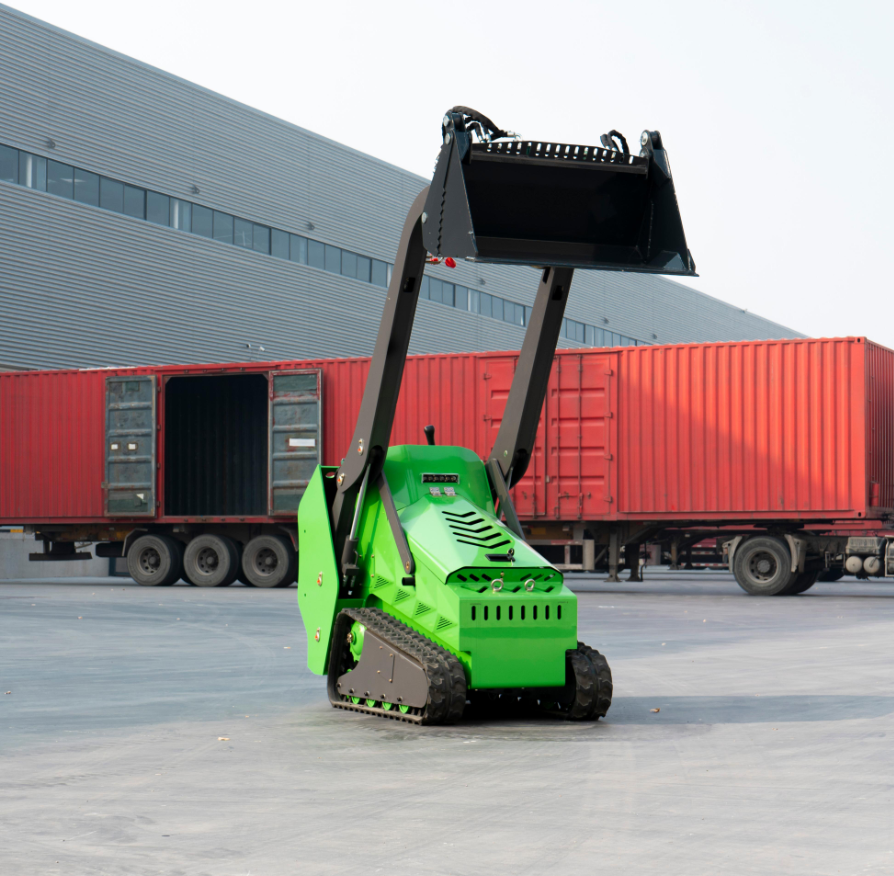
Rural infrastructure keeps changing shape. Fields get consolidated, village lanes get paved, and irrigation networks need constant repair. In these jobs a mini loader earns its place because it reaches spaces that tractors and large wheel loaders cannot, while still moving serious volumes of soil, gravel and feed. Compact dimensions and a tight turning radius let one machine serve farmland, roads and ditches across a single season.
Farmland renovation and land leveling
Reshaping fields and preparing seedbeds
Level fields drain better and hold moisture evenly, which directly lifts yield. A mini loader fitted with a grading bucket smooths ridges left by old ploughing and fills low spots before sowing. The hydraulic lift arm places thin, even layers of topsoil without gouging the subsoil. Because the machine weighs far less than a full-size loader, it works wet seedbeds where heavier equipment would rut the ground. Farmers repeatedly use the same unit for both autumn renovation and spring bed preparation, which keeps a single investment busy most of the year.
Handling soil, manure and bulk material
A second strength shows up in material handling. Manure, compost, silage slab and bagged lime all move faster with a loader than by hand or trailer alone. The quick coupler swaps the bucket for a fork or grapple in minutes, so a single mini loader becomes a feed-yard cleaner, a lime spreader assistant and a storm-cleanup tool. Low ground pressure from the tyres or optional tracks protects pasture and barn yards. Smooth bucket edges and steady hydraulics also reduce spillage when moving loose feed, keeping the yard safer and cleaner for livestock and handlers. Keeping loads within the rated operating capacity preserves stability on sloping ground and avoids unnecessary strain on the chassis.
Rural road and paving works
Grading and base course preparation
Village roads fail when the base is uneven. A mini loader or compact loader with a box blade grades the sub-base, spreads crushed stone and backfills edges before the paving crew arrives. The articulated steering follows gentle curves that rigid machines skip. Operators follow ISO 20474 earth-moving safety practice and keep the load low while travelling. Good base preparation extends pavement life and reduces recurring repair spend for the township, turning a small machine into a real road-building asset rather than a convenience. Edge trimming with the same bucket removes grass and soft shoulder so water runs off instead of ponding against the new surface.
Tight access around villages and lanes
Many rural jobs sit behind gates, between walls or inside courtyards where a truck-mounted loader cannot turn. The mini loader threads these gaps, clears rubble and hauls fill to exactly the spot needed. Narrow lane resurfacing, culvert mouth clearing and small bridge approaches all benefit. ANSI and SAE rated capacity labels help supervisors match the machine to the task and avoid tip-over on uneven verges. Low machine height also lets it work under low branches and service lines that block taller plant.
Irrigation ditches and drainage
Digging and cleaning diversion channels
Standing water ruins crops and washes seed away. A mini loader with a trenching bucket or auger opens new diversion channels and re-cleans silted ones after storms. The short wheelbase climbs the canal bank without collapsing it, and the hydraulic breaker loosens compacted clay. Where steep banks exist, the operator works from the firm shoulder, not the slope, following OSHA trench and excavation guidance for safe approach angles. Quick passes keep water moving and protect nearby seedlings from drowning.
Placing pipe and culvert material
Drainage upgrades mean moving pipe, geotextile and stone. The loader lifts and sets short culvert sections, then backfills with controlled buckets so the lining stays aligned. Rubber tracks lower ground pressure on saturated verges and reduce scaring of the bank. EN machinery directives and CE marking confirm the unit meets European market expectations for operators who import such equipment, while routine checks keep the undercarriage free of packed mud that would otherwise shorten component life.
Choosing, inspecting and maintaining rural machinery
Selection and on-site inspection
For a mini loader, buying for rural use starts with the site, not the brochure. Measure gate width, lane gradient and the heaviest material to move, then pick a rated capacity with margin. Inspect the hydraulic hoses, the coupler latch and the tyre or track condition before purchase. Ask the supplier for CE or ISO documentation and confirm spare-part availability. A modular design eases field repair when a remote village is hours from a service centre, and a familiar control layout shortens the learning curve for seasonal helpers.
Safe operation and routine maintenance
Safe use protects both the operator and the crop. Train every user on the control layout, load chart and stability limits, keeping the bucket low on slopes. Daily checks cover engine oil, coolant, track tension and boom pivot grease. Monthly attention to the undercarriage and hydraulic filter prevents the downtime that strands seasonal work. A scheduled plan turns the mini loader into dependable year-round infrastructure support rather than a fair-weather tool, and documented care keeps resale value steady for the next owner.
Rural communities need machinery that fits the land as well as the budget, and the mini loader answers that need across renovation, roads and water control. Its compact frame reaches where larger plant cannot, while versatile attachments turn one purchase into many tasks. With correct selection, inspection and care, the machine delivers steady value on farms and villages alike.
Frequently Asked Questions
Question
What size loader suits small rural farms?
Answer: A mini loader in the roughly 1 to 2 ton class fits most small farms, handling buckets, forks and light grading without compacting soil. Match rated capacity to the heaviest load, such as wet manure or stone, and leave margin for slopes. Narrower models pass standard gates and lane corners. Check hydraulic response and tyre or track option before purchase to suit field conditions.
Question
Which attachments help with land leveling tasks?
Answer: For land leveling, a grading bucket and a box blade shape the surface, while a tooth bucket breaks clods and a rake clears debris. A quick coupler swaps tools in minutes so one machine serves seedbed prep and ditch backfill. Choose attachments rated for the machine's hydraulic flow and operating capacity to keep stability and protect the pump from overload during repeated grading passes.
Question
How does a compact loader handle soft field terrain?
Answer: Low ground pressure from wide tyres or rubber tracks stops the machine sinking into wet pasture and seedbeds. Keeping travel speed modest and loads low preserves traction on slopes and soft verges. Where mud builds, cleaning the undercarriage and checking track tension avoids bogging. Such control lets rural work continue after rain without damaging the field surface or leaving deep ruts behind the machine.
Question
Why is operator training important for rural machinery?
Answer: Proper training reduces tip-over, crush and runoff risk on uneven village ground. OSHA and ISO earth-moving guidance recommend familiarising each user with controls, load charts and stability limits before independent work. Trained operators load within rated capacity, park on firm ground and spot hazards like open ditches. Documented instruction also lowers repair cost and protects neighbours near lanes and farm yards.
Question
When should rural loader equipment receive scheduled maintenance?
Answer: Daily checks cover engine oil, coolant, boom pivots and track or tyre condition before each shift. Monthly service should inspect the hydraulic filter, undercarriage wear and coupler latch. Seasonal overhaul before heavy renovation or harvest use prevents breakdowns at peak demand. Keep a simple log so remote villages can plan parts and avoid stranded machinery during short working windows.