
 EN
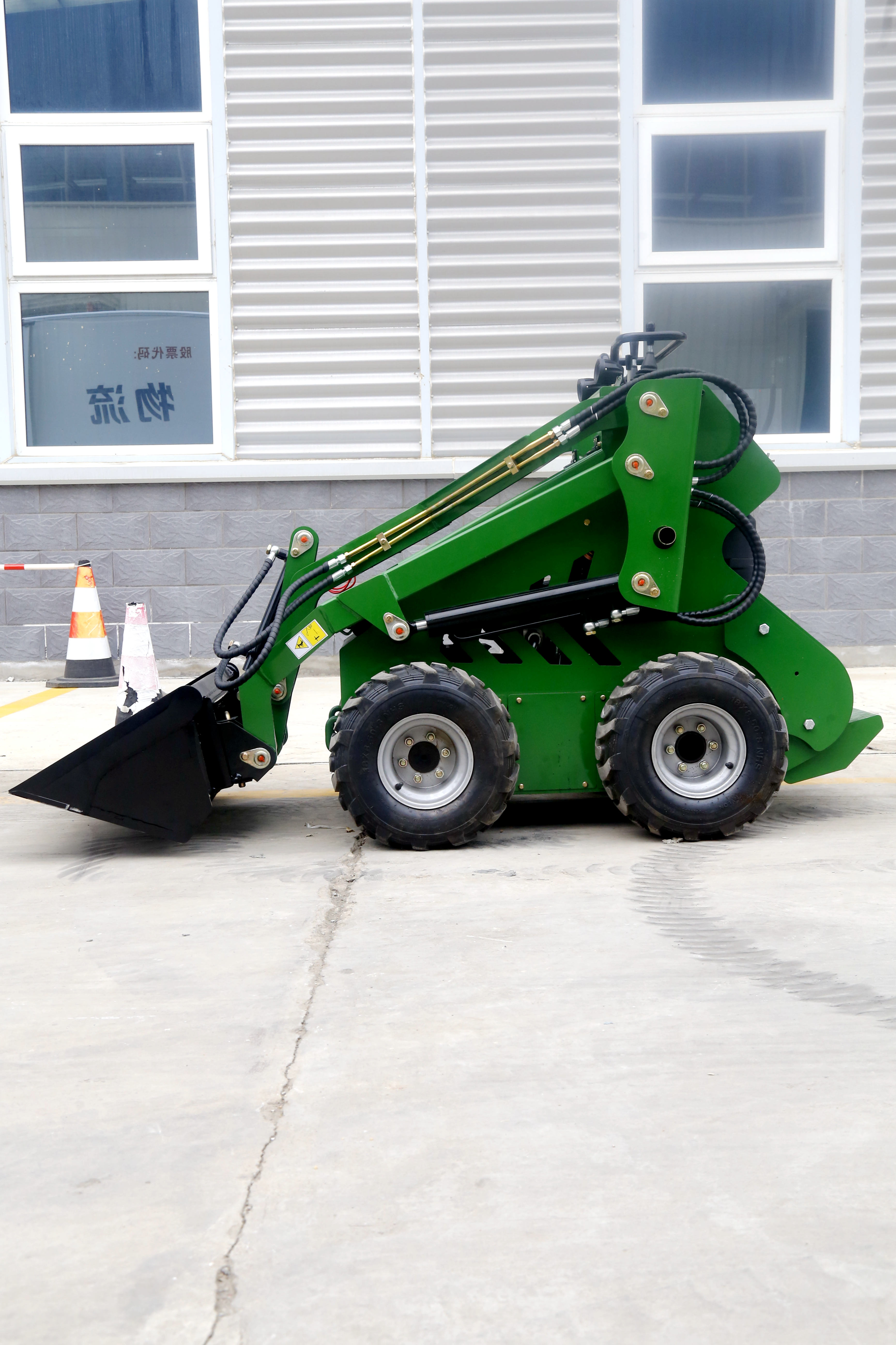
A compact mini loader delivers a clear fuel consumption advantage because it matches engine output to the actual load instead of carrying unused capacity. On landscaping, utility, and material-handling job sites, the machine spends most cycles moving moderate loads across short spans. A smaller diesel engine paired with load-sensing hydraulics stays closer to its efficient operating band, so each task burns less fuel than a larger wheel loader would while keeping the same useful productivity.
Why engine-to-load matching drives the fuel advantage
How load sensing keeps the diesel engine in its efficient band
The mini loader controls hydraulic flow through a load-sensing pump that reads pressure demand from the attachment and the drivetrain. When demand is low, the pump reduces flow and the electronic control unit trims injection, holding the engine near its torque peak rather than at a fixed high rpm. A compact machine can finish grading, stacking, or bucket work while a larger unit would idle its bigger block at a wasteful constant speed. Load sensing turns partial-load hours into fuel saved instead of heat lost through the cooler and exhaust.
Right-sized power avoids overcapacity waste
Sizing a machine by rated operating capacity under ISO 14397 keeps the engine matched to the task. A diesel loader far larger than needed runs below its efficient band for most of the day, burning fuel to move its own mass and a heavier chassis. A right-sized mini loader keeps the power plant in its sweet spot, so fuel efficiency improves without sacrificing jobsite productivity. Oversizing is the most common hidden source of high operating cost. It also raises tire and brake wear on paved yards, adding maintenance work that a right-sized machine avoids.
Duty-cycle fuel savings on real job sites
Short-cycle operation favors a compact wheel loader
Most compact-loader work is stop-and-go: load, carry a short span, dump, return. These short cycles rarely need full rated power, yet a large machine still spins a big engine through every cycle. The mini loader reaches useful hydraulic pressure quickly and settles back between bites. Across a full shift, repeated short cycles accumulate meaningful diesel savings, and refueling frequency drops on busy sites where a larger loader would drink fuel mainly to move itself.
A rental-yard case: trimming idle and partial-load hours
A regional equipment yard ran a full-size loader for mixed small deliveries and yard cleanup. Background: most rentals were short, light tasks such as moving pallets and spreading gravel. Problem: the big block consumed diesel during long idle and partial-load periods, raising the yard's weekly fuel purchase and eroding margin. Solution: the operator switched to a compact diesel loader with load-sensing hydraulics and set an auto-idle threshold, matching power to each task instead of a constant rpm. Effect: idle hours fell, partial-load running shortened, and the yard reduced refueling visits while keeping the same daily output and safer maneuver in tight aisles.
Compact size lowers resistance and auxiliary draw
Lower rolling and hydraulic demand reduce diesel burn
A compact mini loader weighs less and shows smaller rolling resistance, so the engine needs less torque to move the chassis across paving, turf, or packed gravel. Auxiliary circuits for the bucket, auger, or breaker draw only what the attachment demands. Lower hydraulic demand means the pump works less, and less pump work means lower diesel burn per cycle. Terrain traction stays adequate because ground pressure stays balanced for the load, so the machine does not dig in or slip on soft ground. Balanced ground pressure also limits rutting, which protects finished surfaces and keeps the operator in firmer control.
Lighter footprint means less energy per task
Because the mini loader carries less mass, accelerating, turning, and lifting all require fewer joules. Across hundreds of repetitions in a shift, the energy gap versus a larger loader widens. Operators report steadier fuel use through the day rather than the spikes a heavy machine shows on every acceleration. A lighter footprint also protects soft ground and finished surfaces, a useful bonus on lawns and indoor approaches where a heavier unit would scar the substrate.
Selecting and maintaining a low fuel use machine
What to inspect before purchase
Buyers should inspect the engine rating, the presence of load-sensing hydraulics, and the rated operating capacity against ISO 14397. Check the cooling system, the coupler for attachments, and service access for fuel and air filters. A transparent spec sheet and CE marking aligned with EU EN requirements signal a serious manufacturer. Confirm the machine suits the intended terrain and typical load so the engine is not forced to lug undercapacity work, and review ANSI or ISO guidance on operator training before acceptance.
Operating and maintenance habits that protect efficiency
Daily checks keep a fuel efficient loader honest: clean air filters, correct tire or track pressure, and fresh engine oil lower internal friction. Train operators to use auto-idle, avoid prolonged throttle, and match attachment speed to the task. Follow the manufacturer schedule for fuel-system service and watch hydraulic lines for leaks. Stability and safety improve when loads stay within rated capacity, and OSHA 1926 workplace practices keep the jobsite orderly while efficiency holds across the season.
A compact mini loader earns its fuel advantage through matched power, smarter hydraulics, and a lighter footprint that suits short, repeated cycles. Choosing the right size, inspecting the load-sensing system, and maintaining it well turns lower diesel use into steady savings. For fleets watching operating cost, the mini loader remains a practical path to efficient, low fuel use material handling on crowded, variable job sites.
Frequently Asked Questions
Question
What makes a compact loader more fuel efficient than a larger loader?
Answer: A compact loader pairs a smaller diesel engine with load-sensing hydraulics that scale flow to demand. It avoids the overcapacity waste of a big block running below its efficient band during short cycles. Lower mass and reduced rolling resistance cut the torque needed per task. The result is less diesel burned per job while keeping useful productivity for typical material-handling work on varied sites.
Question
How does engine load matching reduce fuel use?
Answer: Load sensing reads pressure from the attachment and drivetrain, then the control unit trims injection to hold the engine near its torque peak. Instead of a fixed rpm, the machine uses only the power each bite requires. Partial-load hours become fuel saved rather than heat lost. This matching is the core reason a compact wheel loader sustains strong fuel efficiency across varied daily tasks without oversizing the power plant.
Question
Which maintenance steps protect a diesel loader's efficiency?
Answer: Clean air filters, correct tire or track pressure, and fresh engine oil lower internal friction and support clean combustion. Service the fuel system on schedule and inspect the coupler and hydraulic lines for leaks. Operator training on auto-idle and matched throttle further protects efficiency. Together these habits keep a low fuel use machine near its designed consumption figures through long, reliable service.
Question
When does a compact wheel loader deliver the biggest savings?
Answer: The largest savings appear in stop-and-go duty: short carry, dump, and return cycles common in landscaping, utilities, and yard work. A compact unit reaches useful hydraulic pressure fast and idles between bites, so repeated short cycles accumulate diesel savings. Sites with frequent refueling or long idle periods gain the most, while steady heavy hauling favors a different size class instead.
Question
Why check rated operating capacity before buying a mini loader?
Answer: Rated operating capacity under ISO 14397 shows whether the engine is sized to the real load. A unit far above the task lugs its big block below the efficient band, raising operating cost. A right-sized machine keeps power in its sweet spot and protects stability within safe limits. Matching capacity to terrain and typical load prevents forced undercapacity work and preserves predictable fuel efficiency over time.