
 EN
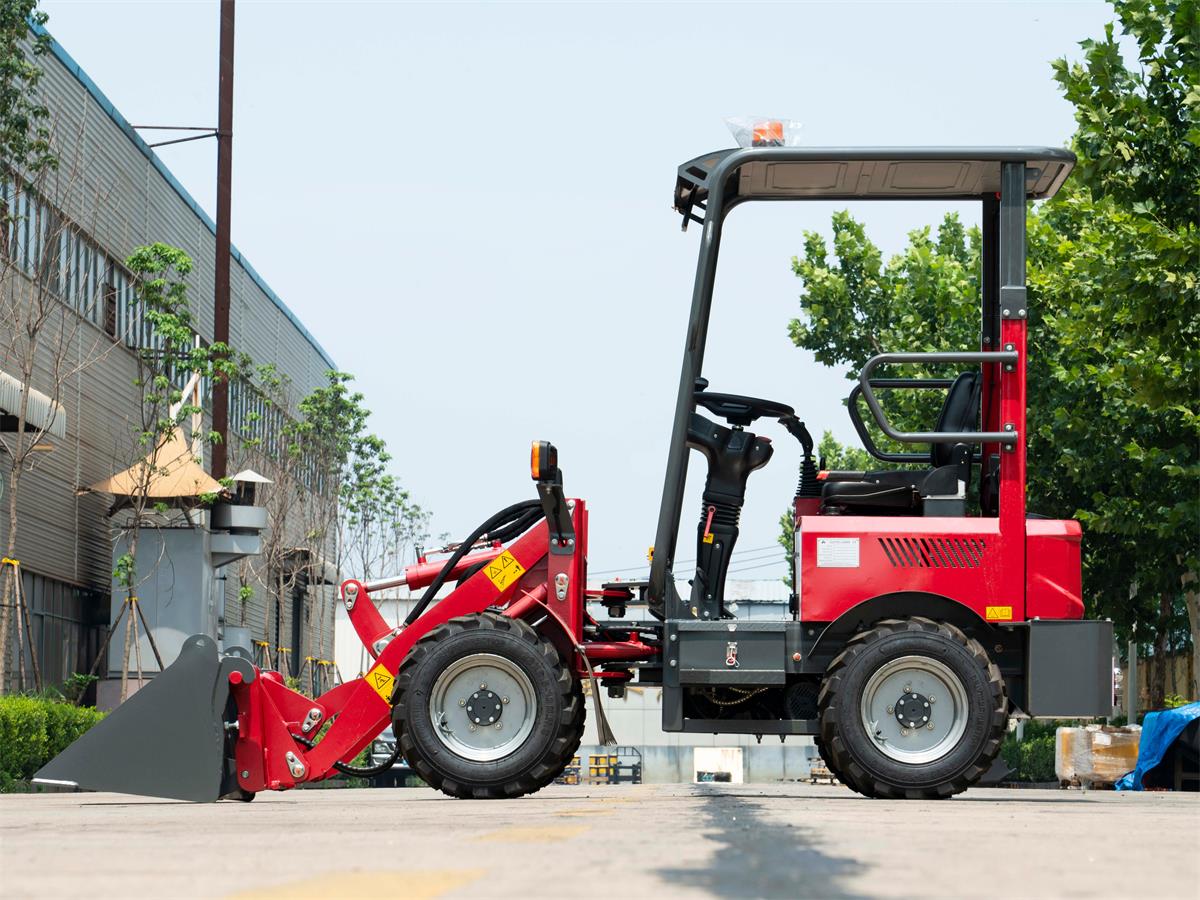
When a project spreads across several locations, a lightweight mini forklift makes lifting and moving pallet loads far simpler than relying on manual handling or a heavy truck. Its lower mass and compact frame let crews load it onto a trailer quickly, then unload and operate it the moment work begins at the next site. For contractors who shift equipment daily, that mobility changes how efficiently a job gets done.
Why lightweight design improves site-to-site mobility
How a compact footprint aids ramp and trailer loading
A mini forklift earns its value the instant it reaches a new site, because the lightweight chassis can be driven straight off the trailer ramp without extra handling gear. The reduced total weight keeps the combined load within the towing limit of a common utility vehicle, so one operator moves machine and cargo together. Compact width also means the unit passes standard doorways and site gates that block larger equipment. Traction from the drive wheels stays steady on a mild ramp, keeping both the machine and the load stable during the roll-on.
What total weight means for towing and transport
Before choosing a lightweight mini forklift for transfer duty, compare its gross weight with the trailer plate rating. A lightweight model often sits in a range that a rated trailer and a standard pickup can legally carry, avoiding the need for a heavy transport truck. Lower mass also reduces ground pressure on soft yard surfaces, so the unit reaches the work face without sinking into soil or damaging fresh paving. Checking the gross vehicle weight against the trailer plate keeps every move compliant and safe. Planning the towing route in advance prevents surprises at weigh stations or tight access roads.
Matching payload and lifting height to real transfer tasks
Typical rated capacity for cross-site handling
A compact mini forklift covers the mid-range loads that a pallet truck cannot reach. Typical rated capacity for a compact machine falls in the small-ton class, enough for palletized bricks, pipe bundles or stacked materials common on transfer jobs. Exceeding the nameplate load shifts the center of gravity and risks tip-over, so matching capacity to the heaviest routine load protects both operator and cargo. A pallet truck handles lighter, flat-ground moves, while the forklift covers taller stacks and longer carries between buildings. Documenting the heaviest item per route helps select the right unit before departure.
Mast type and lift height for truck loading
Mast type and lift height decide whether the mini forklift can place goods onto a truck bed or a mezzanine shelf at the destination. A duplex or triplex mast raises the load to a useful height while retracting low enough to clear door headers during transit. Lifting height should match the tallest receiving point, not the maximum the mast allows, to keep the load stable. Hydraulic controls on a compact machine respond smoothly, letting one operator position heavy items without a second helper.
Passability through narrow gates and uneven ground
Turning radius and aisle width on crowded sites
Turning radius and overall width determine whether the unit threads crowded site aisles. A compact equipment footprint lets it pivot inside a packed storage yard where a larger truck would need a wide swing. Narrow access paths between containers or fencing leave little room, yet a short wheelbase keeps maneuver tight and predictable. A compact chassis turns within a small aisle, so the operator reaches the loading point without repeated repositioning. Planning the route and marking pedestrian lanes reduces the chance of clipping stored materials during a quick transfer.
Stability and gradeability on slopes
On rough ground, the mini forklift keeps traction where a wheelbarrow or hand cart would bog down. Stability and gradeability matter when the path slopes toward a loading dock or crosses a graded lot. A low center of gravity and a wide wheel track resist tipping as the unit climbs a ramp with a raised load. Operators should keep the load low while traveling and avoid sudden steering on a grade. Ground pressure stays manageable on uneven terrain, and the drive system maintains traction so the machine reaches the far site without stalling or sliding.
Safety, standards and maintenance for frequent transfer
Operator and load safety references
Operator and load safety references guide every cross-site move. OSHA and ANSI standards describe safe travel speed, load center limits and operator training expectations, while ISO and EN frameworks cover machine stability and braking performance. Following these references keeps a mini forklift compliant across export markets such as the United States, Canada and the European Union. A trained operator reads the load chart, confirms the route is clear, and secures the machine on the trailer with rated straps before any highway move.
Inspection and upkeep before each move
Inspection and upkeep before each move prevent roadside failures. Check tire pressure, brake function, hydraulic hoses and the battery or fuel level before loading. Tighten the mast bolts and confirm the warning lights work, since a broken signal invites accidents during night transfer. A simple logbook records each check and the mileage between sites, building a maintenance history that protects resale value. Cleaning mud from the chassis after off-road use stops corrosion and keeps the machine ready for the next departure.
Choosing a lightweight machine pays off wherever lifting and site transfer happen across multiple locations. A well-matched mini forklift reduces manual effort, shortens loading time and arrives ready to work at every stop. Pairing the right capacity, mast and safety habits keeps each move productive and compliant. For teams that move often, that convenience is the difference between a delayed day and a finished one.
Frequently Asked Questions
Question
What makes a lightweight forklift convenient for cross-site work?
Answer: A lightweight model loads onto a standard trailer with minimal effort and drives off at the next site without extra equipment. Its compact frame passes narrow gates and crowded aisles that stop larger trucks. Lower total mass keeps the combined load within common towing limits, so one vehicle moves machine and cargo together. Quick ramp roll-on and roll-off save setup time on every transfer between job locations.
Question
How much weight can a compact forklift usually carry between sites?
Answer: Typical rated capacity for a compact unit sits in the small-ton class, suitable for palletized bricks, pipe bundles or stacked materials. Exceeding the nameplate load shifts the center of gravity and risks tip-over, so match capacity to the heaviest routine item. A pallet truck covers lighter flat-ground moves, while the forklift handles taller stacks. Confirming the load weight before each departure keeps the transfer safe.
Question
Can a compact forklift climb ramps and load onto a trailer safely?
Answer: Yes, with proper technique. A low center of gravity and wide wheel track resist tipping as the unit climbs a ramp with a raised load. Operators should keep the load low while traveling and avoid sudden steering on a grade. The drive system maintains traction so the machine reaches the trailer bed without stalling. Securing the unit with rated straps after loading prevents shifting during highway transport.
Question
Which standards apply when operating a forklift across sites?
Answer: OSHA and ANSI standards describe safe travel speed, load center limits and operator training, while ISO and EN frameworks cover machine stability and braking. Following these references keeps equipment compliant across export markets such as the United States, Canada and the European Union. A trained operator reads the load chart, confirms a clear route and documents each move. Compliance protects crews and supports smoother cross-border transfers.
Question
How should the machine be inspected before a site transfer?
Answer: A mini forklift should pass a quick check before every move: tire pressure, brake function, hydraulic hoses and fuel or battery level. Tighten mast bolts and confirm warning lights work, since a broken signal invites accidents during night transfer. A logbook records each inspection and the mileage between sites, building a maintenance history. Cleaning mud from the chassis after off-road use prevents corrosion and keeps the unit ready.