
 EN
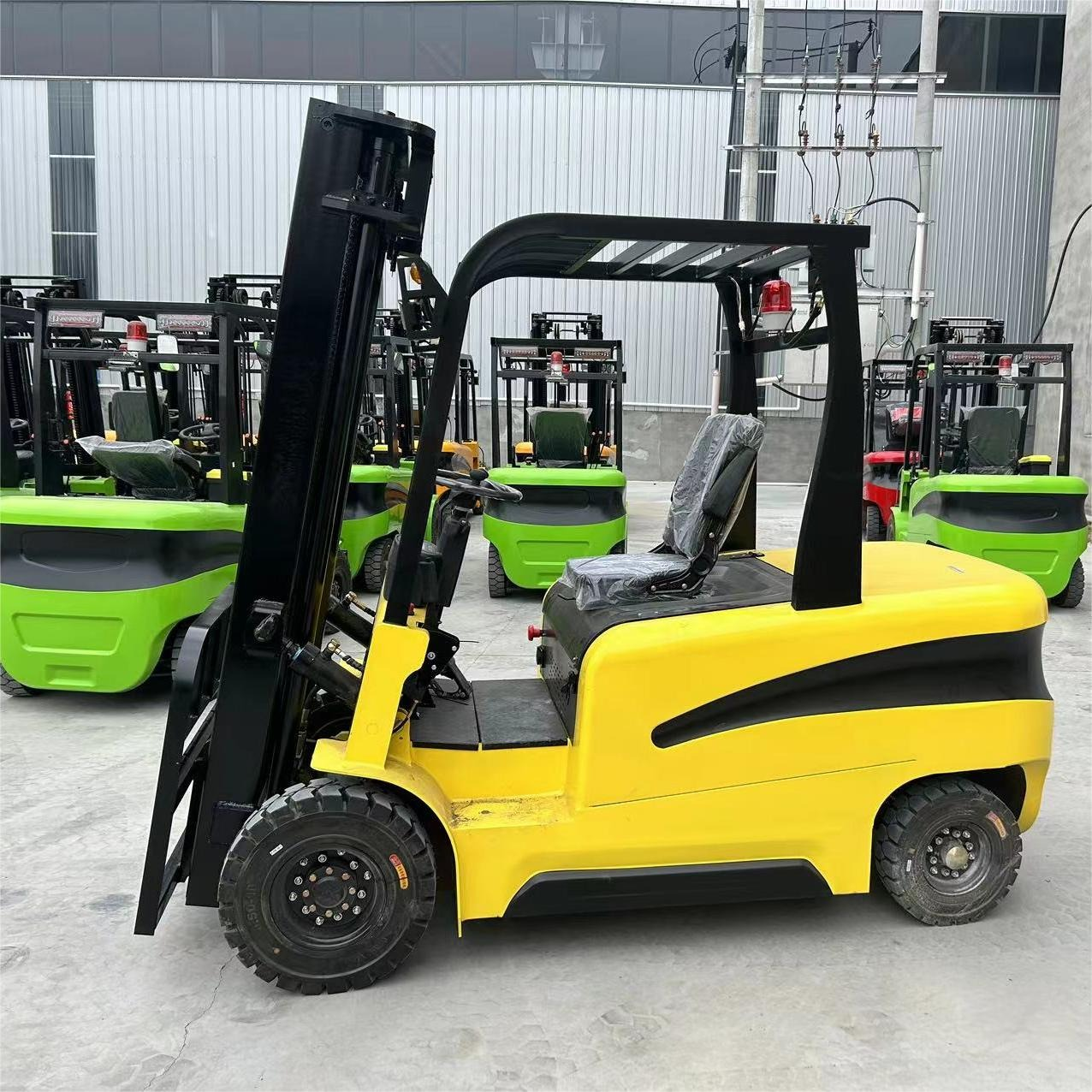
Choosing the right lifting height shapes daily throughput, energy use, and operator safety in any storage operation. A forklift electric sized to the wrong height wastes travel cycles, draws more battery power per task, or forces unsafe double-stacking that slows the whole shift. This guide explains how racking layout, aisle geometry, mast design, and safety limits interact, so a purchasing decision fits the real building rather than a catalog number.
Why lifting height decides warehouse productivity
Matching racking tier height to mast lift
Standard selective racking places pallets on two, three, or four beam levels. The top beam height plus pallet height defines the minimum working lift the truck must deliver. A forklift electric must reach roughly 150 to 200 mm above the target beam so the pallet clears the ledge before lowering. Many buyers measure only the beam and forget the pallet overhang, then discover the machine cannot complete the top tier without tilting the load, which damages goods, racking, and the load backrest alike.
Free lift and collapsed height explained
Free lift is the distance the carriage rises before the mast sections extend. In low-door or mezzanine areas, high free lift lets the forks climb while the mast stays short, protecting the overhead structure and sprinkler lines from collision. Collapsed height matters when the truck passes under dock doors or building braces. These two figures, not just maximum lift, decide whether the equipment fits the building envelope during routine pallet stacking operations across every shift.
How aisle width and mast type limit your options
Three-stage vs two-stage mast selection
A two-stage mast gives a lower collapsed height and a wider operator view but limits maximum lift. A three-stage mast reaches higher tiers yet adds visual obstruction near the top. For high racking a forklift electric needs the three-stage mast, while ground-level loading zones favor the simpler two-stage design for stability and visibility. Hydraulic hose routing also differs between them, affecting long-term maintenance cost, and the extra stage changes how the rated load shifts as the carriage climbs.
Aisle width and turning radius trade-off
Narrow aisles raise storage density but demand precise mast alignment at height. The lifting height choice influences how much vertical travel the operator performs per trip, which lengthens cycle time in tight lanes. Layout planning should pair the intended lift with the aisle width so the warehouse forklift moves without repeated correction, reducing tire scrub and improving overall productivity while keeping the operator comfortable during long shifts. Even floor flatness affects whether the chosen height stays safe in daily use.
Real-scenario case and the safety-efficiency trade-off
A regional distribution center ran three beam levels at typical heights of 2.4 m, 4.8 m, and 7.2 m. The existing trucks reached only 6.0 m, so staff hand-stacked the top tier, slowing order picking and risking back injury. After measuring door clearance, aisle width, and sprinkler position, the team selected a three-stage forklift electric rated near 7.5 m with high free lift. Top-tier pallet stacking moved fully mechanical, cutting pick time and removing manual lifting. Throughput rose while operator strain dropped, showing that matching height to racking beats buying the tallest possible mast.
Load center and stability at high lifts
Rated capacity drops as the load center moves forward or the lift rises. At maximum height the same pallet may weigh far less than at ground level under the original rating. OSHA 29 CFR 1910.178 requires operators to respect the load chart, and ANSI/ITSDF B56.1 defines stability testing for powered industrial trucks. The capacity plate on the truck shows this fall-off by height, so choosing a mast height with margin keeps the warehouse forklift inside its stability envelope instead of tempting overloaded high lifts that could tip the load.
Operator visibility and speed control
Higher lifts reduce the operator's sightline to the floor and increase load swing during travel. ISO 3691 covers safety requirements for industrial trucks, including visibility and control systems. Limiting travel speed when the carriage is raised, and selecting a forklift electric with a narrower top section, preserves both efficiency and safety. Training should stress that lift height is a speed governor, not just a reach number, and that traction depends on even ground pressure from the tires. A clear mast profile also helps the operator judge fork position at height.
Selection, inspection and maintenance checklist
Measuring site before purchase
Survey the highest beam, lowest door, sprinkler height, and narrowest aisle. Add pallet height plus clearance to compute required lift, and confirm the battery compartment and charger fit the workflow and the available power supply. A written site sheet prevents ordering a forklift electric that cannot enter the dock or clear the top rack, which is the most common and costly mismatch seen in compact equipment fleets that need long-term durability.
Daily checks and mast care
Inspect chain tension, hose routing, and tilt cylinders each shift before use. Keep mast rails clean and lubricated so extension stays smooth at height and capacity stays accurate. EN safety standards and routine maintenance protect lift precision and reduce downtime, while worn chains risk sudden failure at full extension. Schedule professional inspection per the manufacturer's interval, and record findings to support safe, predictable pallet stacking and durable operation across the whole fleet.
Selecting proper lifting height is a system decision, not a single number on a spec sheet. Match the mast to racking tiers, respect aisle limits, and keep safety margins at high lifts. A correctly sized forklift electric improves throughput, protects operators, and avoids the cost of a machine that cannot serve the building it was bought for. Regular care keeps that performance stable over years of use, and a documented site survey makes future fleet additions straightforward.
Frequently Asked Questions
Question
What lift height suits a standard three-tier warehouse racking system?
Answer: A three-tier layout with beams near 2.4 m, 4.8 m, and 7.2 m needs a truck reaching roughly 7.4 to 7.6 m to clear the top pallet. Add pallet height and 150–200 mm clearance when calculating. Survey door and sprinkler heights first, because the collapsed mast must still pass them. Matching the rated lift to the top beam prevents unsafe hand-stacking and keeps every tier fully mechanical during daily pallet stacking work.
Question
How does mast stage count affect lifting height and visibility?
Answer: A two-stage mast keeps a low collapsed height and wide view but limits maximum lift, fitting ground loading. A three-stage mast reaches higher tiers above 4 m yet narrows the sightline at the top. Warehouses doing frequent high pallet stacking usually need the three-stage type. Decide by the highest beam and aisle width, since the extra section adds obstruction that operators must manage through training and reduced travel speed at height.
Question
Why does rated capacity drop as the forks rise?
Answer: Capacity falls with lift height because the load's lever arm grows and shifts the center of gravity forward. At maximum height a pallet may weigh far less than at ground level under the same rating. OSHA 29 CFR 1910.178 and ANSI/ITSDF B56.1 require using the load chart for each height. Choosing a forklift electric with margin keeps the truck stable and avoids tipping when stacking tall racks above the operator's eye line.
Question
Which site measurements matter before buying a warehouse forklift?
Answer: Measure the highest beam, lowest door, sprinkler height, and narrowest aisle, then add pallet height plus clearance to set required lift. Confirm battery compartment and charger fit the workflow and that the mast collapsed height passes dock doors. A written site sheet prevents ordering equipment that cannot enter or clear the top rack, the most common and costly mismatch in compact equipment fleets today.
Question
How should mast and lift height be maintained for safety?
Answer: Inspect chain tension, hose routing, and tilt cylinders each shift before use. Keep mast rails clean and lubricated so extension stays smooth and capacity stays accurate at height. Follow EN safety standards and the manufacturer's interval for professional inspection, recording findings. Routine maintenance protects lift precision, reduces downtime, and keeps pallet stacking safe and predictable across the whole warehouse forklift fleet over time.