
 EN
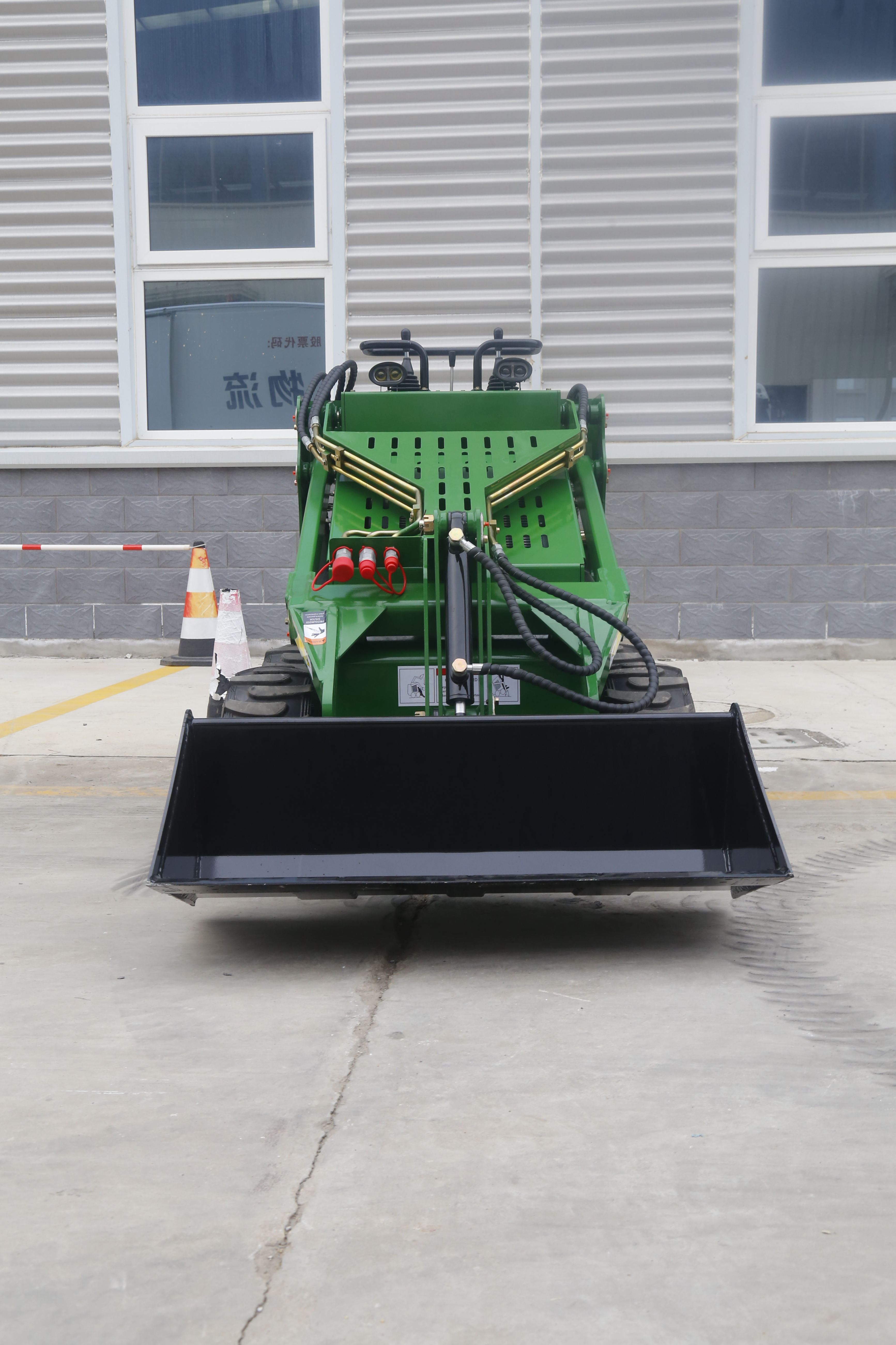
The global construction equipment sector has shifted noticeably toward smaller, more adaptable machines. Across rental yards, municipal depots, and independent contractor fleets, the mini skid steer now ranks among the fastest-moving categories in compact equipment. Demand is strongest where space is tight and labor is scarce. This growth reflects deeper changes in how projects are scoped, staffed, and financed rather than a passing trend. Buyers increasingly favor a machine that performs many roles without the footprint of larger loaders.
Versatility drives adoption across small engineering tasks
One chassis, many roles on a small job site
A mini skid steer can replace numerous single-purpose machines for a small job site. It’s compact design and quick hydraulic coupler changeover allow for many quick attachments in a short period of time. This flexibility reduces idle time and trailer trips for a contractor. The same skid steer loader can grade a pad in the morning and remove debris from the site in the afternoon. It’s flexible enough to do both. The compact size of skid steers allows contractors to use them in areas that larger equipment can’t fit.
Hydraulic precision and zero tail swing in confined areas
Precise hydraulics in a mini skid steer can protect surrounding structures during operation. Similar to larger skid steer loaders, a zero tail swing design on a mini skid steer allows the machine to turn within the width of it’s track, protecting surrounding structures. The offset boom design on a skid steer loader provides similar stability to larger loaders. Engineered specifically for use in tight, congested areas, skid steer loaders reduce rework cost to the owner by protecting finished surfaces on site.
Rental economics and labor substitution reshape equipment demand
Lower operating cost appeals to budget-conscious fleets
A mini skid steer typically consumes less fuel per task than a full-size machine while delivering comparable productivity on light duty. Rising diesel prices and tighter margins push fleet managers to scrutinize operating cost before any purchase. Maintenance intervals are simpler, and modular components shorten downtime. These economics make the category attractive to rental houses that must recover investment across many short-term users. ISO guidance on machinery efficiency encourages designs that cut energy waste, a direction visible across newer compact equipment. Lower ownership friction widens the buyer pool well beyond large contractors.
Labor substitution where skilled operators are scarce
In many regions, finding experienced equipment operators has become difficult and expensive. A mini skid steer helps bridge that gap because its intuitive controls shorten training time for general laborers. One operator can accomplish trenching, lifting, and material handling that previously needed a crew. This substitution effect is pronounced in markets with aging workforces and strict OSHA limits on manual lifting. Reducing reliance on manual labor also lowers injury risk and insurance exposure. The result is steadier output on small job sites that cannot justify multiple specialists.
The rise of small projects and fragmented job sites worldwide
Urban renewal and utility work favor compact machines
Worldwide, engineering activity is fragmenting into smaller, more frequent projects: sidewalk repairs, fiber trenching, solar pad prep, and backyard utilities. A mini skid steer fits these tasks because it travels on sidewalks and passes through standard gates. Global construction equipment buyers in dense cities choose machines that store easily and comply with local noise and emission rules. The small job site era favors equipment with low ground pressure and quiet operation. European and North American municipalities increasingly specify compact classes for public works, reinforcing the trend. Fragmented demand sustains year-round utilization rather than seasonal peaks.
Export certified machines open new regional markets
Manufacturers with export certified lines reach buyers in North America, Europe, and beyond through standardized compliance. A mini skid steer built to CE marking and aligned with ANSI and EN safety standards enters multiple regional markets without redesign. A documented quality system based on ISO principles reassures distant buyers who cannot inspect factories in person. This globalization of supply expands the customer base for compact equipment and keeps prices competitive through scale. Distributors value predictable certification because it shortens customs clearance and reduces liability. Broader market access compounds the category's momentum across the globe.
Practical advice for buyers and operators in the global market
What to inspect before purchasing a compact loader
Prospective owners should verify rated capacity, lifting height, and hydraulic flow against the heaviest planned task. A mini skid steer must match duty cycle, so inspect the undercarriage for wear, check coupler condition, and confirm spare parts availability in the region. Request documentation of CE or equivalent compliance and review the manufacturer's export certified status. A site visit or third-party inspection mitigates risk when buying across borders. Matching engine power to workload avoids both underperformance and wasted fuel. Thoughtful specification prevents costly mismatches after delivery.
Safe operation and routine maintenance habits
Operators must follow ANSI and OSHA guidance on stable loading, seat restraints, and proximity awareness near trenches. A mini skid steer stays productive when daily checks cover track tension, hydraulic leaks, and rubber track condition. Scheduled maintenance of filters, fluids, and the coupler extends service life and preserves resale value. Training on correct attachment changes prevents hydraulic damage. Storing the machine clean and dry limits corrosion, especially in humid export markets. Consistent habits keep a versatile loader dependable across its working life and protect the operator.
The surge of the mini skid steer across the global small engineering market is no accident. Versatility, sensible rental economics, and the ability to substitute scarce labor converge with a world of smaller, fragmented projects. Buyers who weigh operating cost, certification, and jobsite fit position themselves to benefit. As compact equipment continues to mature, this category will remain a dependable choice for contractors who value adaptable, efficient machinery worldwide.
Frequently Asked Questions
Question
Why has demand for compact loaders grown across small engineering markets?
Answer: Compact loaders gained momentum because small projects now dominate urban and suburban work. A mini skid steer handles grading, lifting, and trenching that once required several machines, lowering fleet complexity. Rental houses favor the category for fast turnover and simple maintenance. Labor shortages make intuitive controls valuable, shortening operator training. Combined with lower operating cost, these factors explain steady global uptake among contractors and municipalities.
Question
Which tasks suit a versatile loader on a small job site?
Answer: A versatile loader fits landscaping, utility trenching, material handling, and light demolition. Its compact chassis enters gardens and alleys that larger equipment cannot reach. Quick coupler changes let crews switch buckets, augers, or grapples within minutes. Ground pressure stays low, protecting paved and finished surfaces. For tasks under a few tons of lift, this machine replaces wheelbarrows, manual labor, and bigger loaders, improving productivity without oversizing the fleet.
Question
How do rental economics support adoption of compact equipment?
Answer: Rental houses recover cost through high utilization, and small loaders rent frequently for short jobs. Low fuel use and simple maintenance keep per-rental expense down, protecting margins. Buyers also prefer renting before owning to test suitability on a small job site. This flexibility reduces capital risk for startups and seasonal crews. Strong secondary demand sustains resale value, making the compact class attractive to both owners and fleet operators worldwide.
Question
What safety standards apply to loaders sold in export markets?
Answer: Machines bound for Europe require CE marking under the Machinery Directive, while North American users follow ANSI and OSHA expectations for operator training and stable loading. ISO standards guide design for controls, noise, and emissions. EN tests verify braking and stability on slopes. Compliance documentation should travel with each shipment to ease customs and reassure distant buyers. Verifying certification before purchase prevents delays and supports safe, lawful operation across regions.
Question
How should operators maintain a compact loader for long service life?
Answer: Daily checks should cover track tension, hydraulic leaks, and coupler wear. Replace filters and fluids on schedule, and keep the undercarriage clean to avoid accelerated corrosion. Store the machine dry, especially in humid climates common across export markets. Train operators on correct attachment changes to protect hydraulic circuits. Regular inspection of rubber tracks and boom pivots preserves stability and capacity. Consistent habits extend productivity and protect resale value over years of use.