
 EN
EN
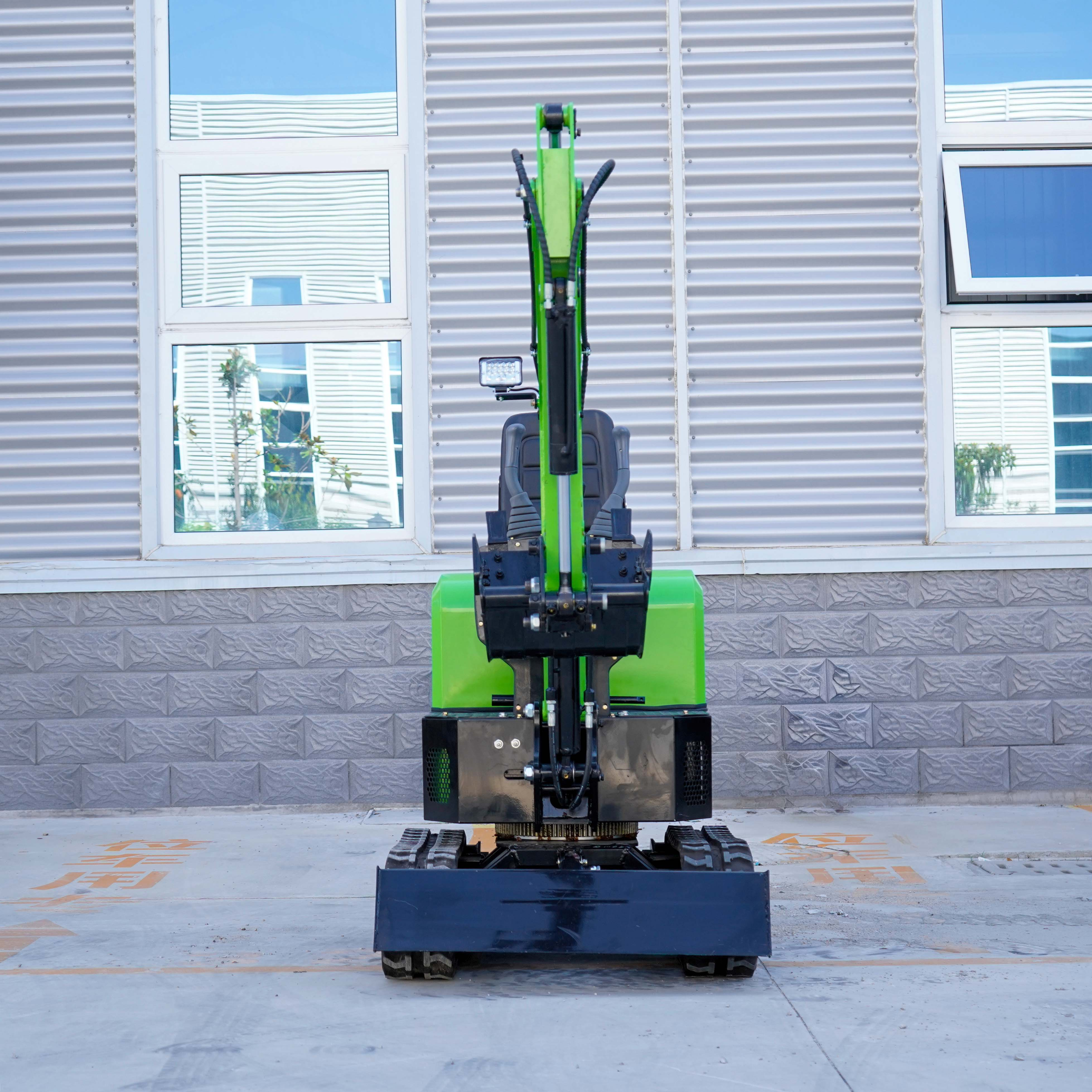
Çfarë përcakton 'ngushtë'? Kufizimet e mjedisit për site urbane, rezidentiale dhe për riparime
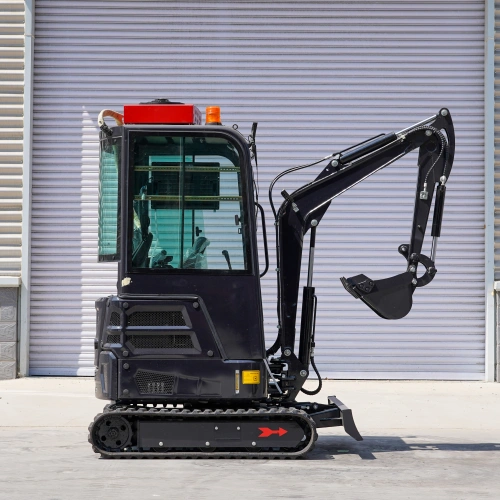
Disa nga kufizimet më ekstreme hapësinore për site të vogla ndërtimi përfshijnë qytetërime urbane me gjatësi më pak se 3 metra (10 këmbë), site rezidentiale me hapësirë të pakta shtesë dhe site për riparime ku ndërtesat ekzistuese shkaktojnë kufizime. Për këto mjedise kërkohen mini ekskavatorë. Dizajni i tyre i ngushtë (deri në 1 metër ose 3,3 këmbë) lejon që mini ekskavatorët të kalojnë nëpër dyer dhe koridore të ngushta, duke shmangur kufizimet hapësinore, ndryshe nga ekskavatorët tradicionalë. Ky dizajn lejon që mini ekskavatorët të punojnë në hapësira të kufizuara.
Metrikat Fizike Kryesore: Gjerësia e Punimit, Klasa e Peshës (<3 Tona) dhe Shtypja në Tokë
Mini ekskavatorët mund të përcaktohen si të përshtatshëm për objekte të ngushta bazuar në tri metrika.
Gjerësia e Punimit: Bazat e zvogëluara të niveli të poshtëm ofrojnë gjerësi sa 0,9 m (3 ft), dhe deri në 1,5 m (5 ft), duke lejuar operatorëve të rregullojnë mini ekskavatorët sipas hapësirave të lira në objekt dhe nevojave të demolimit.
Klasa e Peshës: Modelët e mini ekskavatorëve me peshë më pak se 3 tonë shkaktojnë turbullimin më të vogël të tokës dhe ruajnë stabilitetin.
Shtypja në Tokë: Shtypja në tokë më e vogël se 34,5 kPa (5 PSI), në krahasim me 55–103 kPa (8–15 PSI) të ekskavatorëve tradicionalë, ndihmon në zvogëlimin e rrezikut të zhytjes në objekte me tokë të papandehshme.
Për shkak të kufizimeve të shumta në objektet e ngushta të ndërtimit ku kryhen punime ekshumin, këto tri metrika janë më të rëndësishmet. Për shembull, një mini ekskavator prej 2,8 tonë ka specifikimet më të arsyeshme të dizajnit për punë në një objekt ku ka shumë vija të rrjedhjes nën toke që kanë rënë.
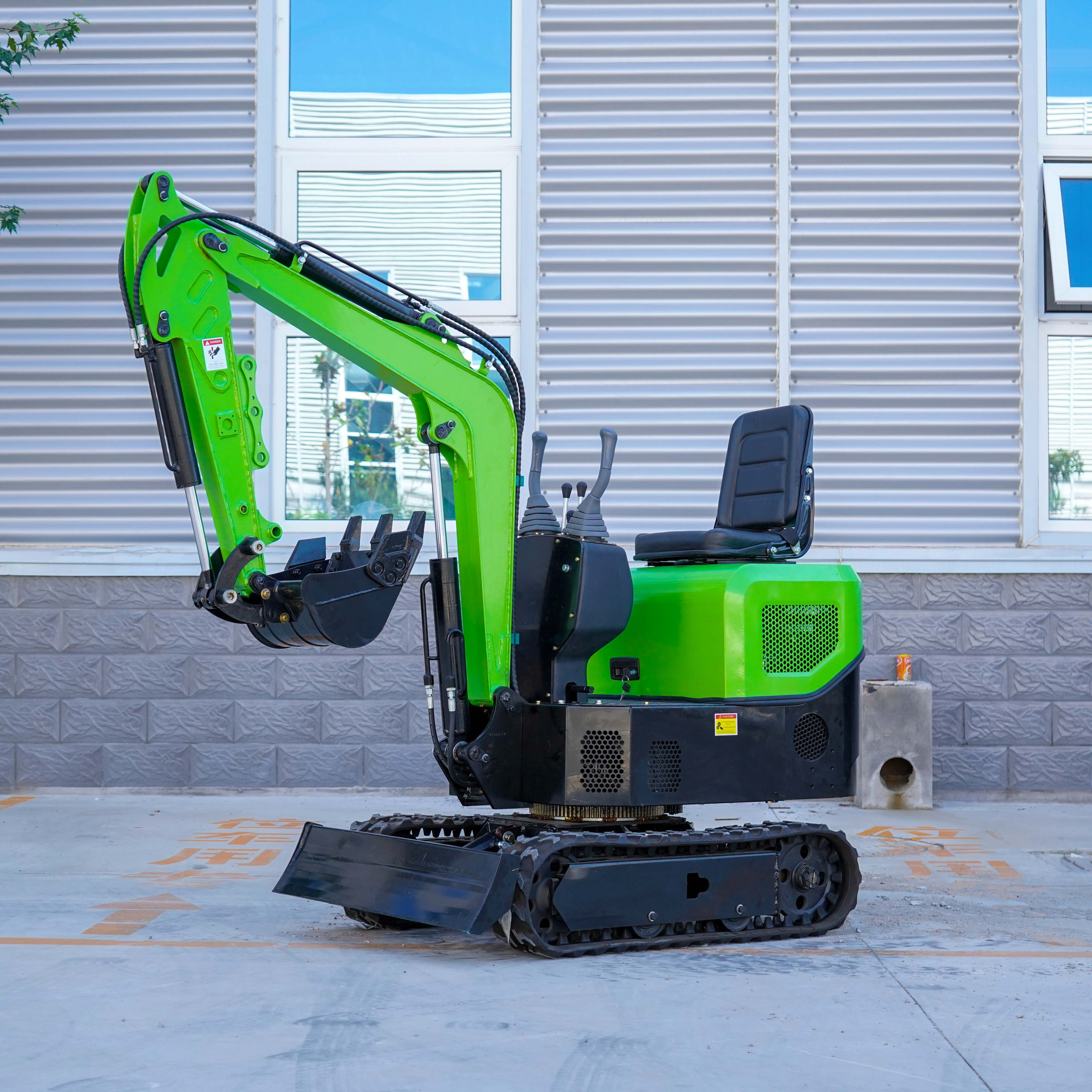
Rrotullimi me Rreze Zero: Dizajni më i sigurt dhe më efikas në ekskavatorët kompakt
Dizajni me rrotullim zero në fund dhe eliminimi i problemeve të hapësirës së pasme
Për të adresuar problemet e pjesës së pasme të shtrirë në ekskavatorët tradicionalë, dizajni me rrotullim zero në fund lejon operatorëve të punojnë drejtpërdrejt kundrejt murave dhe të kryejnë gërmime afër themelit dhe infrastrukturës së utilities, duke mbajtur peshën e kundërbalancës së pjesës së pasme të ekskavatorit brenda gjerësisë së gjurmës në kushte kritike. Në rishikimet e ndërtesave të banimit ose në përmirësimet urbane, kjo karakteristikë zvogëlon në mënyrë të konsiderueshme dëmet dhe punën e përsëritur që rezultojnë në shpenzime të larta, duke ruajtur në të njëjtën kohë kontrollin kritik të kufjes gjatë tërë operacionit.
Vlerësimi i performancës me rrotullim zero në fund dhe rrotullim të zvogëluar në fund në hapësira më pak se 10 këmbë
Në hapësirat e punës më të ngushta se 10 këmbë, ekskavatorët mini me rrotullim zero në pjesën e pasme kanë treguar performancë superiore në krahasim me ekskavatorët me rrotullim të zvogëluar në pjesën e pasme. Ekskavatorët me rrotullim të zvogëluar në pjesën e pasme kërkojnë një hapësirë të lirë prapa prej 6 deri në 12 inç, ndërsa ekskavatorët me rrotullim zero në pjesën e pasme nuk kërkojnë asnjë hapësirë të lirë prapa, duke lejuar operatorët të punojnë në hapësirat e kufizuara të korridorëve, të shpimit të bazamenteve dhe edhe brenda strukturave të ekzistuara më parë. Në një studim të vitit 2023, i kryer nga departamenti i fizikës së ndërtimit, ekskavatorët me rrotullim zero në pjesën e pasme ulën aksidentet në objektet punëtorë të kufizuara me 30% në krahasim me ekskavatorët me rrotullim të zvogëluar në pjesën e pasme. Disa nga avantazhet kryesore janë:
Rrotullim i vazhdueshëm gjatë punës brenda hapësirave të kufizuara
Pa nevojë për rirregullime pozicioni, me kohë cikli punësh të zvogëluar
Në shumicën e situatave, rrotullimi zero në pjesën e pasme është thelbësor për punën efektive brenda hapësirave të ngushta.
Lëvizshmëria dhe Saktësia: Benefitet e Mekanike të Ekskavatorit Mini
Gjerësia e Rrotulluesve, Rrezja e Pivotimit dhe Artikulimi i Krahut për Ekskavatorët Mini
Një mini-shovel me gjerësi të rrotullimit më pak se 40 inç mund të kalojë nëpër portat standarde, duke e bërë atë më të shumëfishtë se makineritë më të mëdha. Mini-shovelat mund të rrotullohen 360 gradë në një rreze prej 5 këmbësh, duke eliminuar nevojën për manovra komplekse rreth pengesave të rrethueshme. Mini-shovel-i përdor një kraharë të artikuluar, duke lejuar kontroll të saktë mbi thellësinë dhe gjerësinë e një shkavimi. Kraharëri i artikuluar ofron rregullim në nivel milimetri të mini-shovel-it, duke lejuar përdorimin e mini-shovel-ave për shkavime pranë strukturave ekzistuese dhe projekteve të tjera shkavimi ku shkavimi bëhet pranë murëve të tjerë. Mini-shovelat janë të kufizuara në më pak se dy këmbë zhvendosje maksimale në pothuajse të gjitha situatat, duke bërë aplikimet eksperimentale me mini-shovel-a sukses praktikisht gjithmonë.
Mini-Shovelat: Makineri Specializuar për Shkavimin e Hapësirave të Ngushta
Shkavimi i Gropeve për Udhëzimet e Utiliteteve, Shkavimi i Bazeve dhe Peizazhimet
Në hapësira të kufizuara, si ato që gjenden në qendrat urbane dhe në disa zona periurbane, përdorimi i mini-ekskavatorëve kërkohet shpesh për tre lloje aktivitetesh. Mini-ekskavatorët mund të kërcejnë kanale për utilitete për vendosjen e tubave ose ujësjellësve pa shkatërruar sipërfaqen, me një kosto mesatare prej 2.100 dollarë për projekt dhe kursime sipas Librit Standard të Kostos së Ndërtimit NCCER. Mini-ekskavatorët mund të përdoren për të kërcejur nën strukturat ekzistuese dhe për të përmirësuar kufijtë e kërkimit pranë ndërtesave. Mini-ekskavatorët mund të kërcejnë kanale për mure mbajtëse përgjatë vijave të pronës.
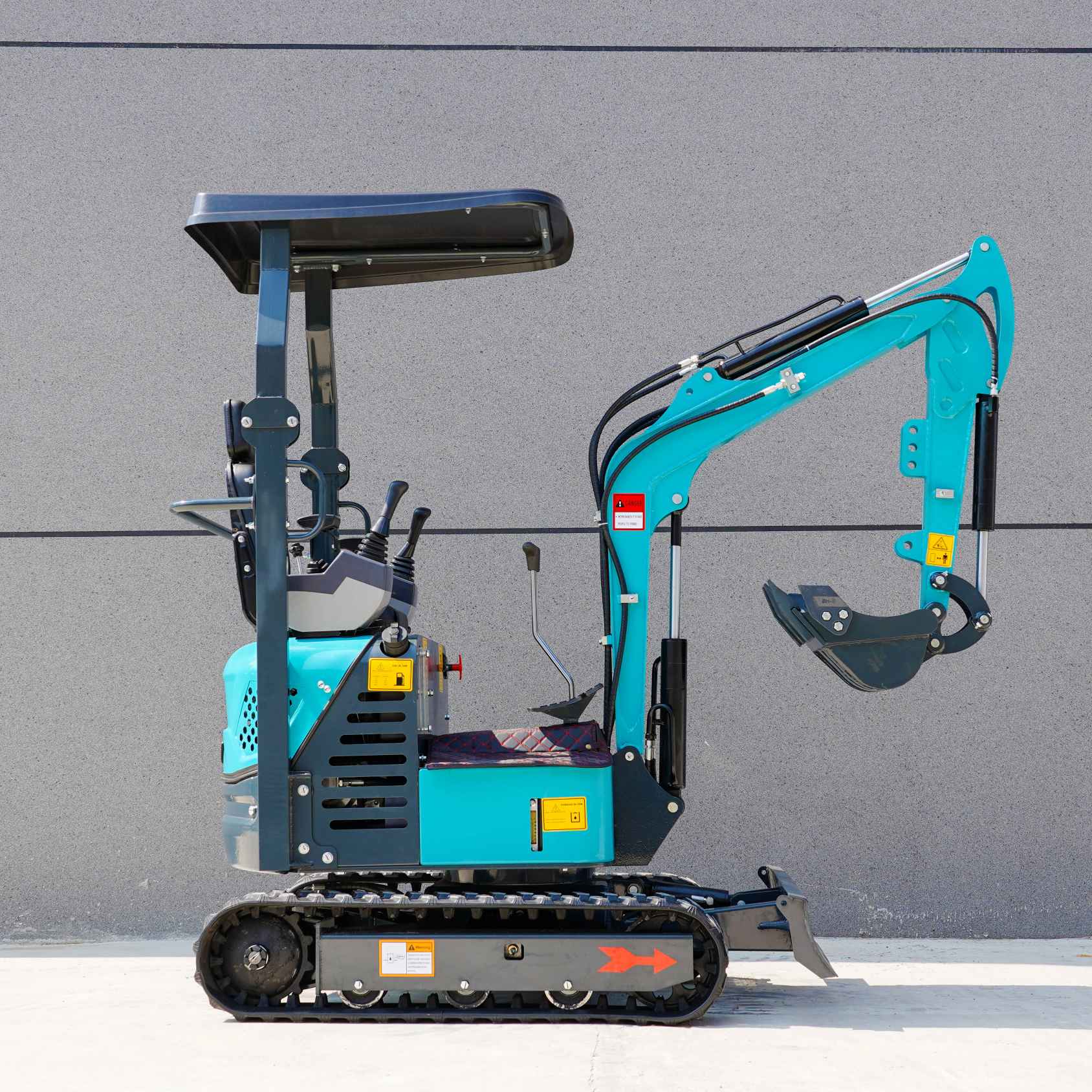
Shembuj rastesh: Instalimet e riparimit, ndërtimi i rrugëve të natyrës dhe përmirësimet e infrastrukturës urbane
Aftësitë e ekskavatorit mini, veçanërisht potenciali i pakuptuar i tij në hapësira të kufizuara, janë të dukshme nga shembujt e dokumentuar nga jeta reale. Në përmirësimet e zonave historike, ekskavatorët me rrotullim zero të bishtit kryen ndërrimin e sistemeve të ujërave të zeza në korridore 8-këmbëshe ku pajisjet me madhësi të plotë nuk mund të arrinin as edhe kërkesat minimale të hapësirës së hyrjes. Kur po zhvillonin rrugë rekreacionale, ekskavatorët me rrotullim zero të bishtit zhveshën tokën në mënyrë të mjaftueshme për të krijuar saktësisht trase me minimalisht ndikim mbi mjedisin. Krahasuar me metodat tradicionale, ekskavatorët me rrotullim zero të bishtit zvogëluan ndikimin në 78%. Përmirësimet infrastrukturore për zëvendësimin e kanalizimeve të shiut, kur kanalizimet ndodhen nën trotuare, thelluan edhe më tepër dobishmërinë e ekskavatorëve mini. 60% e punës u krye duke përdorur një ekskavator mini dhe rruga mbeti e hapur gjatë kryerjes së punës, çka rezultoi në 15 ditë më pak pengesa për komunitetin. Të gjitha këto shembuj tregojnë se ekskavatorët mini sjellin avantazhe operative të matshme brenda hapësirave të përcaktuara ku përdoren.
Pyetje të Bëra Shpesh
Çfarë janë vendet e ndërtimit të ngushta?
Vendet e ndërtimit të ngushta janë lokacione ekstremisht të kufizuara dhe, në disa raste, të mbyllura ku kryhet puna e ndërtimit. Shembujt përfshijnë rrugicat urbane me gjerësi më pak se 3 metra, pronat rezidenciale pa hapësirë nga skajet e kufijve të pronës dhe projekte rimodulimi ku strukturat ekzistuese rrethojnë zonën e punës.
Për çfarë përdoren ekskavatorët mini në vendet e ndërtimit të ngushta?
Përdorimi më i zakonshëm i një ekskavatori mini në vendet e ndërtimit të ngushta është për të siguruar një mjet për të kaluar ndërtimin nëpër një dyer ose një pasazh të ngushtë.
Çfarë është dizajni me rrotullim zero të bishtit te ekskavatorët mini?
Dizajni me rrotullim zero të bishtit te ekskavatorët mini i referohet një ekskavatori mini që nuk ka pjesë të jashtme prapa, gjë që e bën të sigurt operimin e tij kundrejt një muri ose mbi një mur në një vend ndërtimi të infrastrukturës ose të murit.
Cilat janë përdorimet kryesore të ekskavatorëve mini në vendet e ngushta?
Ekskavatorët mini përdoren kryesisht për të arritur në zona të kufizuara ku është e nevojshme ndërtimi me saktësi ose pastrimi i tokës me minimizimin e pengesave në sipërfaqe.