
 EN
EN
Why Small Wheel Loaders Are the Optimal Choice for High-Frequency Material Handling
Compact Design Enables Faster Cycle Times in Confined Spaces
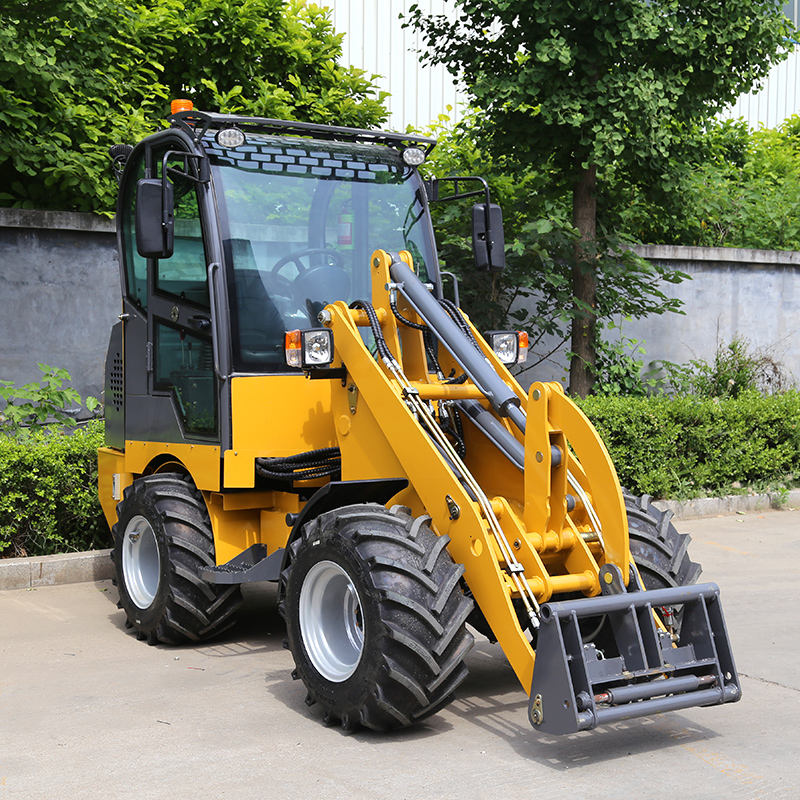
Small wheel loaders with their compact size are changing how we handle materials in tight spaces. They can turn on a dime with radii under 10 feet, so they fit through those narrow construction alleys, warehouse aisles, and inside buildings where bigger machines just won't go. What this means is workers spend less time moving around and more time actually getting stuff done. Take loading pallets in crowded yards for instance. Studies from the Construction Equipment Association show this process gets about 30 percent quicker with these smaller loaders. Plus, the way weight is distributed across these machines makes them stable even when making sudden turns while carrying a full load. All these features explain why contractors love using small wheel loaders for city building projects, factory operations, and large landscaping jobs. Time really matters in these situations after all.
Lower Fuel Consumption and Reduced Operator Fatigue Over Extended Shifts
Smaller wheel loaders can actually save money on operations because they burn less fuel. The engines in these machines typically consume around 15 to 20 percent less diesel each hour compared to their mid-sized counterparts, yet still manage similar lifting capabilities. That's pretty important when operators need to run them all day long for frequent tasks. What's more, many models now come with better designed operator compartments featuring seats that absorb vibrations and controls that are easier to work with, which helps workers stay alert longer. According to studies conducted by NIOSH, this kind of setup cuts down on physical stress by approximately 40% over a full 10 hour workday, meaning operators can keep performing at good levels without getting too worn out. When companies look at both the cost savings from running expenses and how comfortable their staff remains throughout the day, it becomes clear why small wheel loaders represent such great value, especially for organizations that constantly move materials back and forth where having reliable equipment makes all the difference in bottom line results.
Real-World Efficiency Gains: Uptime, Versatility, and ROI of Small Wheel Loaders
23% Productivity Increase in Midwest Renovation Projects Using a 1.2-Ton Small Wheel Loader
A recent survey of contractors working in Chicago and surrounding areas found that using a 1.2 ton small wheel loader led to about a 23% jump in productivity on renovation jobs. The main reason? These machines take up so little space they can zip through narrow spots where bigger equipment gets stuck. Think alleyways, tight corners, or packed construction sites. Workers get through their tasks faster because they spend less time trying to turn around or back up. When moving gravel, sand, or stacked materials, the difference really adds up over the course of a day. Projects finish sooner since there are fewer delays waiting for materials to move. Plus, nobody needs to hire extra help just to keep things going. Mini loaders handle multiple jobs smoothly too. One crew might start clearing debris in the morning then switch to filling trenches later in the afternoon without missing a beat. Real world results show these compact machines boost profits and shorten project schedules, according to several field reports from Equipment Today magazine last quarter.
Higher Uptime and Lower Maintenance Costs vs. Skid Steers and Larger Loaders
When it comes to getting things done without constant interruptions, small wheel loaders just work better than skid steers or those big bulky models. These machines have simpler mechanical setups with far fewer moving parts inside, which means they break down less often and last longer overall. According to numbers from the Association of Equipment Manufacturers, compact loaders typically stay running at around 90% efficiency even when pushed hard in tough environments. Skid steers meanwhile tend to develop problems with their hydraulics systems pretty quickly and their tires wear out much faster too. Operators report saving anywhere from 20% to 30% each year on maintenance simply because replacement parts are easier to reach and services don't need to happen as frequently. Big loaders eat through fuel faster and require more repairs, so they really aren't worth the extra cash for everyday jobs most sites face. All this added reliability translates to fewer headaches during operations, keeping workflows steady and ultimately giving companies a much better bang for their buck when moving materials around day after day.
FAQ Section
What are the main advantages of using small wheel loaders?
Small wheel loaders offer compact design, faster cycle times, lower fuel consumption, reduced operator fatigue, higher uptime, and lower maintenance costs.
How do small wheel loaders improve productivity on renovation projects?
Due to their compact size, small wheel loaders can navigate tight spaces which enhances work efficiency and boosts productivity by up to 23% as observed in Midwest projects.
Why are small wheel loaders more economical compared to larger loaders?
They burn less fuel, require less maintenance, and their parts are easier to replace which leads to overall cost savings even though they provide similar lifting capabilities.
Are small wheel loaders suitable for frequent material handling tasks?
Yes, they are optimal for frequent material handling tasks given their versatility, efficiency, and ability to operate reliably in confined spaces.