
 EN
EN
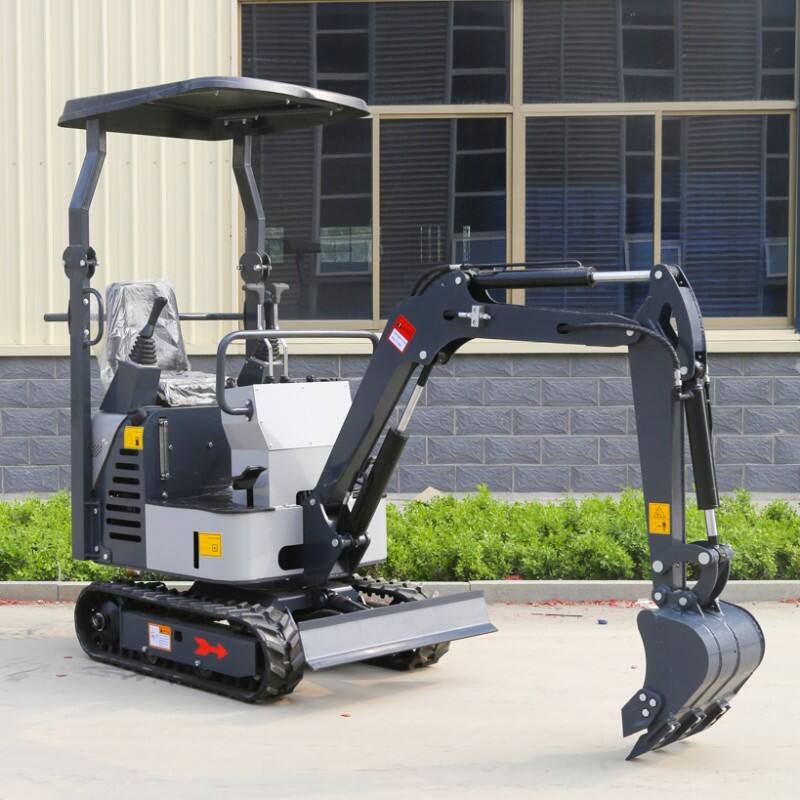
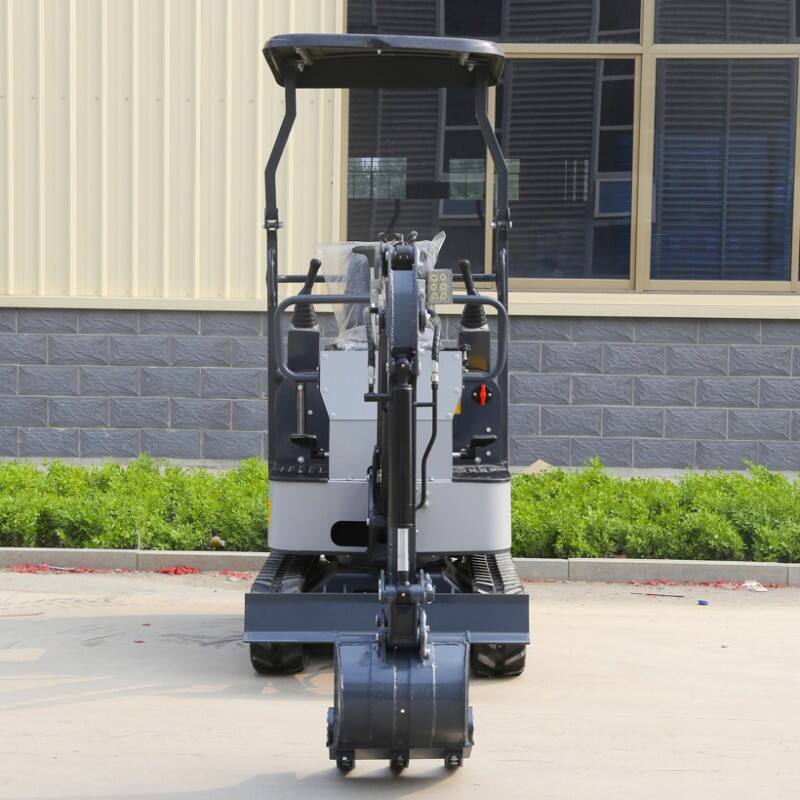
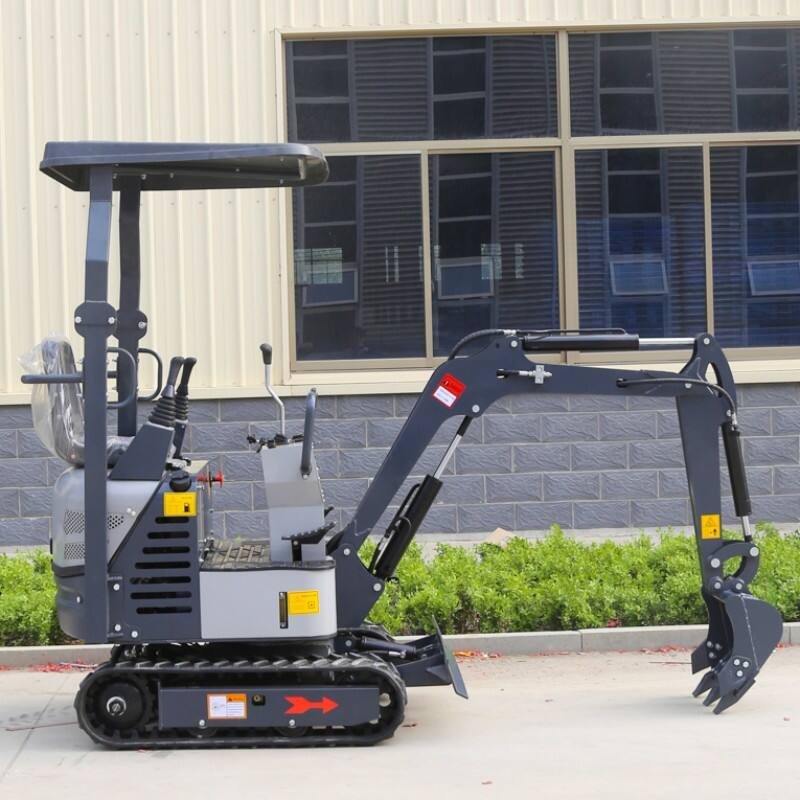
Unmatched Maneuverability in Tight Urban and Residential Spaces
Zero-tail swing and sub-36-inch width: operating safely within inches of walls, fences, and historic structures
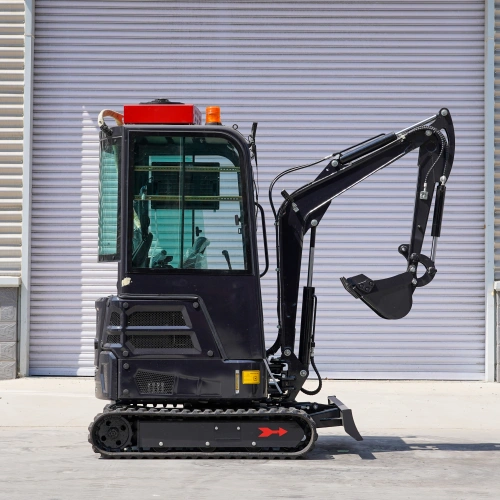
Small excavators are changing how we work in tight urban spaces thanks to engineering breakthroughs that just aren't possible with bigger machines. The zero tail swing design gets rid of that annoying rear overhang problem, so operators can turn all the way around without hitting anything. This matters a lot when working super close to old building walls or right next to property boundaries. These little guys are also under 36 inches wide, which means they fit through alleyways that are sometimes even tighter than regular doors yet still stay stable during operation. The level of control these machines offer helps avoid expensive damage to delicate structures. According to some recent data from Urban Construction Safety in 2024, this actually cuts down on liability issues by about 42% compared to regular sized excavators. Contractors find themselves using these compact machines all the time for jobs like digging trenches along fences, removing tree roots near building foundations, and doing careful work at historical sites where getting measurements right down to the centimeter simply cannot be ignored.
Retractable undercarriage and ultra-compact footprint enabling access through standard doorways and narrow alleys
Micro excavators get really compact when their retractable undercarriages come into play, shrinking down to around 30 inches or less. These little machines are actually the only type of earthmoving equipment small enough to fit through standard residential doorways or even garden gates. Their ability to change shape makes all sorts of jobs possible - tearing out basements, installing indoor pools, doing utility work inside multi-story buildings without needing to tear anything else apart. Workers simply fold the tracks inward so they can squeeze through narrow corridors that measure less than 32 inches across, then pop those tracks back out again for solid digging stability. Weighing in at under 1,800 pounds helps protect floors from damage during operation. Plus, because these machines have modular parts, crews can break them down into smaller sections for transporting up stairs and putting them back together right where the job needs to happen. Take places like Boston or Amsterdam for instance, where nearly 8 out of 10 streets were built before cars existed according to that recent urban infrastructure report from 2023. That kind of history means there's no way big construction equipment could ever get through those tight spaces, but these tiny excavators make it happen anyway.
Precision Control for Delicate, High-Stakes Tasks
Sub-inch bucket positioning and hydraulic fine-grade adjustment for landscape restoration and utility exposure
With their ability to position buckets within fractions of an inch and make hydraulic adjustments down to millimeter precision, micro excavators handle delicate jobs such as restoring landscapes or exposing utilities without damaging surrounding areas. The sophisticated hydraulics give operators instant control, something that matters a lot when digging close to tree roots or underground pipes. This prevents accidental harm to irrigation systems and paved surfaces while cutting down on the need for hand corrections later. Big excavators just can't match this level of detail because they move in broader strokes. Take the 0.8 ton model for instance it stays accurate even across rough ground conditions. That makes these machines essential at places like botanical gardens where plants matter, historic preservation sites needing careful handling, and utility repair locations where getting measurements right means the difference between a successful job and costly mistakes.
ASCE 38-compliant safe digging within 6 inches of buried utilities-reducing risk and liability
Micro excavators meet ASCE 38 standards for safe digging right next to buried utilities thanks to their special vibration dampening arms and sensitive pressure controls. Following these guidelines cuts down on accidents where workers hit gas pipes, water mains, or power lines something that costs around $740k each time it happens according to Ponemon Institute research from last year. The operators keep control over where the bucket goes by adjusting the hydraulics with joysticks, which helps prevent expensive service outages and avoids running afoul of regulations. When getting close to things underground, built-in sensors give physical warnings so crews know they're near important infrastructure. This makes what used to be dangerous work much safer, especially in busy city areas where there's lots of buried stuff going on below ground level.
Minimal Ground Impact and Non-Destructive Operation on Sensitive Surfaces
Ground pressure under 0.5 psi preserves lawns, pavers, and finished hardscapes-unachievable with larger excavators
Micro excavators apply under 0.5 pounds per square inch (psi) on the ground, which is way lower than the usual 4 to 7 psi seen with bigger machines. Because of this really low pressure footprint, they don't cause ruts, flatten surfaces, or compact soil underneath. This means lawns stay intact, fancy stone work remains undamaged, and irrigation lines aren't crushed when doing jobs such as planting trees or setting up swimming pools. Landscaping budgets get protected from damage costs too, saving money on fixing cracked pavers or broken pipes buried beneath the surface. For cities updating old neighborhoods near historic buildings, this kind of gentle digging makes all the difference between preserving character and creating expensive headaches down the road.
Indoor, Confined-Site, and Retrofit Applications Unique to the Micro Excavator
Basement access via stairwells and HVAC duct retrofitting-enabled by <1,800-lb weight and modular transport
The tiny size of micro excavators opens up possibilities for work inside buildings that bigger machines simply can't handle. These little guys tip the scales at less than 1800 pounds and actually manage to move through residential staircases when doing basement fixes or structural work, all while keeping floors intact. What really stands out is how they break down into parts that fit through regular doors and tight hallways, then snap back together on site pretty quickly. This feature becomes super important when upgrading heating systems in buildings still being used by people, since it means workers don't have to tear everything apart to install new ducts. Skilled operators can dig with incredible accuracy right next to load bearing walls and utility lines, even in spaces where ceilings are barely over 8 feet high. The compact nature of these machines makes them absolutely necessary for city projects involving older buildings where traditional construction gear just won't fit into those tight spots.
FAQ
What are the advantages of using micro excavators in urban environments?
Micro excavators are ideal for urban environments due to their compact size permitting access through narrow spaces, precision control for delicate tasks, and minimal ground impact that preserves the surroundings.
How do micro excavators ensure safety when working near utilities?
They comply with ASCE 38 standards, utilizing vibration dampening arms and pressure controls to avoid damaging underground utilities, with sensors providing warnings close to critical infrastructure.
Why are micro excavators preferred for sensitive and historic sites?
These machines offer highly controlled digging capabilities and maintain low ground pressure, preventing damage to delicate architectures and sensitive surfaces at historic sites.
Can micro excavators be used indoors?
Yes, their lightweight and modular transport allows them to navigate through stairways and doorways, enabling work in confined indoor spaces without damaging the structure.