
 EN
EN
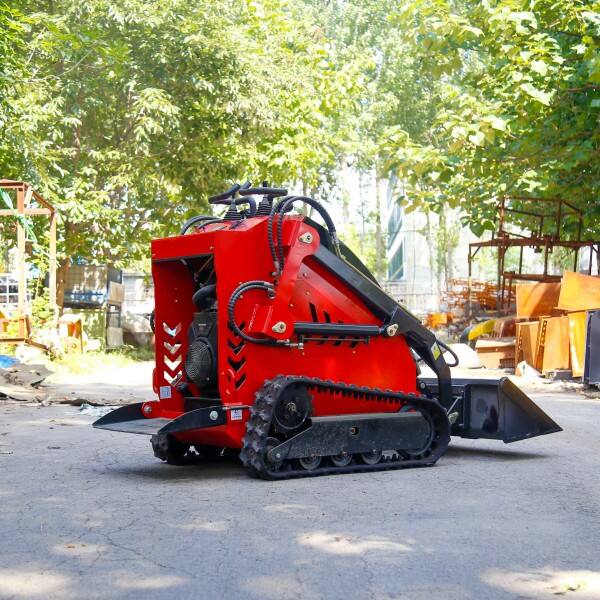
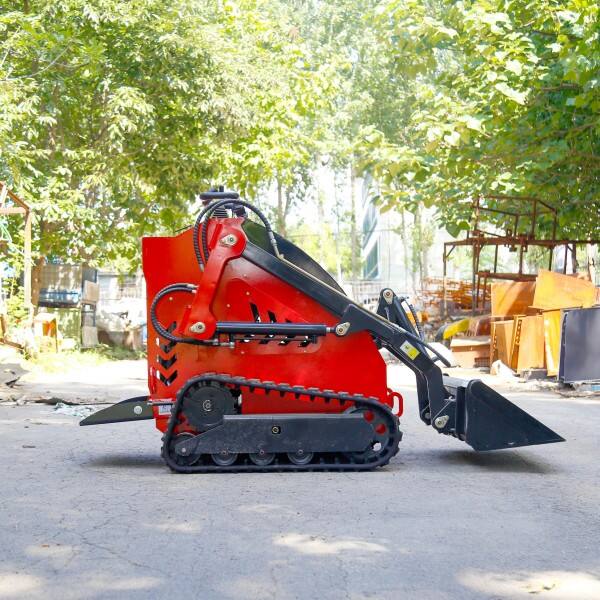
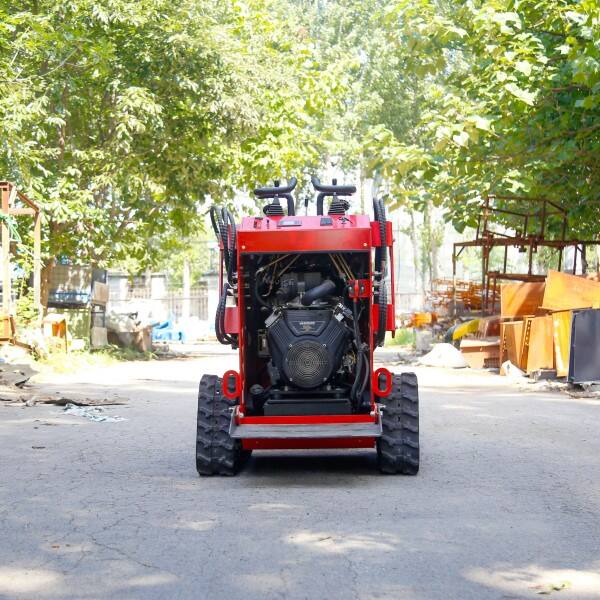
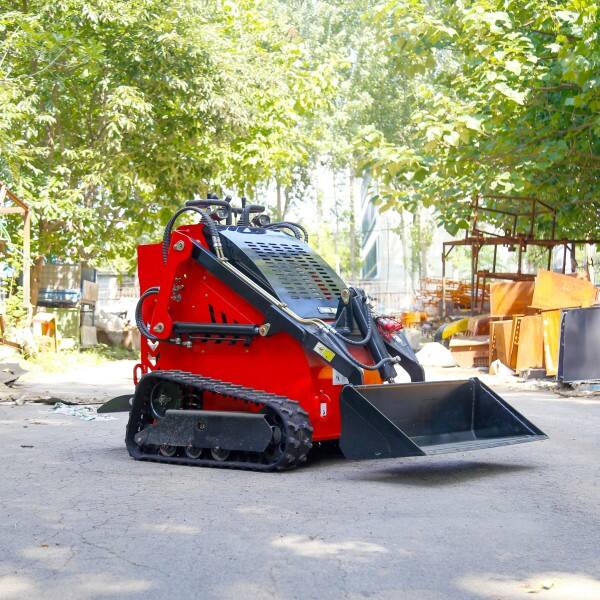
Unmatched Maneuverability for Urban and Residential Jobsites
Zero-Turn Radius Physics and Real-World Access Gains on Tight Lots
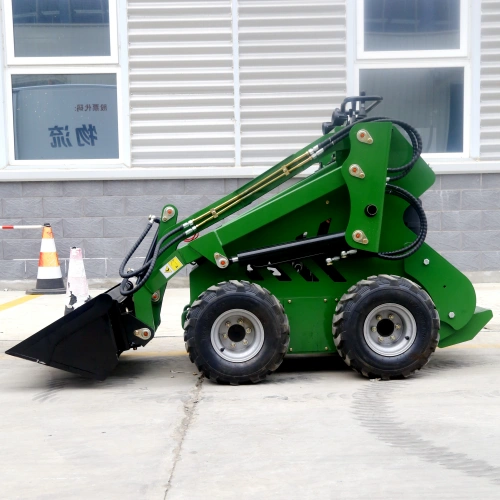
The way compact skid steer loaders turn is pretty impressive. They have those independent wheel controls which let them make what's called zero radius turns. No need for all that back and forth positioning that regular machines require when working in tight city spaces. Operators can get really close to buildings or other obstacles while still keeping everything stable. What makes these machines even better is something called counter rotation. This feature actually shrinks their working area by about half, so they can squeeze through gates that are just eight feet wide. When it comes down to actual jobs like grading backyards or laying foundations, workers report making around 38 percent fewer adjustments than with traditional equipment. That saves a ton of time especially on smaller properties where every minute counts.
Case Study: 27% Faster Mobilization in a Chicago Retrofit — How a Compact Skid Steer Loader Cut Setup Time
The recent renovation of a brownstone in Chicago actually put these improvements to work on real property. Instead of bringing in those big excavators that take up so much room, the crew opted for just one compact skid steer loader to handle all the demolition work and manage materials throughout the job. With only 74 inches across, this smaller machine could fit through narrow alleyways measuring less than seven feet wide, which meant workers didn't have to tear down fences or mess with existing landscaping features around the building. Getting everything set up took about 27 percent less time compared to previous similar jobs, while clearing away debris and preparing the site finished three full days ahead of schedule rather than four days as usual. The reason? No need to constantly break down and rebuild larger equipment between tasks, plus fewer requests for special permits related to street closures or noise complaints from neighbors during construction hours. This approach not only saved money but also kept local residents happier since there was less traffic congestion and disruption going on outside their homes.
Multi-Task Versatility Through ISO-Interchangeable Attachments
40+ Attachments Enable Seamless Role Switching — Grading, Trenching, Loading, and More
What makes compact skid steer loaders so valuable is their ISO standard attachment system. This feature turns what looks like just another piece of equipment into something much more powerful across different job sites. The machines come with around 40 different attachments available these days—from basic grading blades to heavy duty trenchers, pallet forks for warehouse work, and those handy augers for drilling holes. Most operators can swap out tools pretty quickly, often changing from one task to another within about 2 or 3 minutes depending on how familiar they are with the process. The hydraulic quick coupler system allows workers to make secure connections with just a single lever movement, keeping things moving along smoothly even when working on complicated projects where multiple functions are needed throughout the day. Because everything attaches so easily, there's no need to wait around for equipment changes, and companies don't have to invest in as many separate machines for different tasks anymore.
Field Example: Single-Machine Workflow Across Landscaping, Demolition, and Site Prep on a 0.3-Acre Lot
At a small residential redevelopment site last fall, a single compact skid steer loader managed roughly 90% of the work on this tight 0.3 acre plot. The crew started off using the grapple attachment to clear away construction debris, moved quickly to the hydraulic breaker when they hit old concrete foundations, and finished up with a grading bucket to level out the soil—all within just four hours flat. A few days later, they attached a sod roller for landscaping prep and even had the machine ready with a snowblower when an early freeze caught them off guard. By sticking with one versatile machine instead of bringing in several specialized units, the project saved around $1,400 on rentals alone while cutting down those frustrating mobilization delays by about 11 hours compared to what would normally be needed for multiple pieces of equipment.
Lower Total Cost of Ownership for Small Contractors
Compact Skid Steer Loader vs. Multi-Machine Alternatives: 3-Year TCO Breakdown
For small contractors trying to stretch every dollar, getting the most out of their equipment is becoming almost impossible these days. Compact skid steer loaders are changing the game when it comes to total cost of ownership compared to running multiple machines at once. Let's talk fuel first. These smaller units burn around 30% less diesel than what happens when someone runs both an excavator and loader separately on site. And maintenance? That drops off a cliff too. With just one engine instead of several, plus fewer hydraulics and moving components overall, shops see their service intervals stretch out and downtime shrink dramatically. The numbers back this up as well. Contractors who switch tend to pocket between 15 and 25 percent savings after three years simply because they no longer need extra storage space for multiple machines, don't spend money transporting them all over town, and avoid paying those pesky licensing fees for each piece of equipment.
| TCO Factor | Compact Skid Steer Loader | Multi-Machine Fleet |
|---|---|---|
| Initial Cost | Single-unit investment | 2–3x higher |
| Annual Fuel | ~$4,200 (avg.) | ~$6,000+ |
| Maintenance | Centralized servicing | Dispersed costs |
| Storage/Transport | 1 trailer slot | Multiple trailers |
Operational versatility compounds savings. Switching between grading, loading, and trenching attachments on one machine avoids idle-time costs common with specialized equipment. This agility enabled a Chicago contractor to reduce project setup costs by 27% in 2023—proving how right-sizing fleets with compact skid steer loaders protects thin margins.
Right-Sizing Equipment: Matching Compact Skid Steer Loader Capacity to Project Scope
Getting the right size compact skid steer loader makes all the difference for small jobs where space matters. Big machines just waste money on gas and get stuck trying to maneuver around tight spots like backyard gardens or old city buildings needing renovation. And don't go too small either because these little guys break down fast when they have to dig through heavy stuff like wet clay or chunks of broken concrete. When shopping for one of these loaders, there are really only two numbers worth paying attention to that will determine if it'll do the job properly without costing extra in repairs later on.
- Rated Operating Capacity (ROC) – Compact models typically offer 500–1,500 lb capacities. Match this to your heaviest common load (e.g., palleted pavers or soil buckets).
- Physical Dimensions – Ensure clearance for gates, alleys, and indoor renovations by comparing machine width and height to site constraints.
For most small projects (<0.5 acres), compact skid steer loaders with 1,000–1,200 lb ROC strike the optimal balance of power and maneuverability. This precision sizing eliminates redundant equipment costs while supporting 92% task completion rates in landscaping and light demolition, per 2023 equipment utilization data from the Associated Equipment Distributors (AED).
FAQ
What is a zero-turn radius in skid steer loaders?
A zero-turn radius refers to the capability of skid steer loaders to make tight turns without requiring extra space, allowing them to maneuver efficiently in confined areas.
How does a compact skid steer loader reduce setup time?
Compact skid steer loaders reduce setup time by being easier to transport and requiring less rearrangement on-site due to their small size and versatility. This can result in significant time savings during jobsite preparation.
How do ISO-interchangeable attachments enhance the versatility of skid steer loaders?
ISO-interchangeable attachments make skid steer loaders versatile by allowing easy tool swapping. This means a single machine can perform multiple functions, reducing the need for multiple types of equipment.
What factors contribute to the lower total cost of ownership of compact skid steer loaders?
The lower total cost of ownership is due to reduced fuel consumption, less maintenance, and minimal transportation and storage needs as compared to managing a fleet of different machines.
Why is it important to match the compact skid steer loader's capacity to the project scope?
Matching the loader's capacity to the project scope ensures that the equipment can handle the necessary tasks efficiently without suffering damage or needing frequent repairs.
Table of Contents
- Unmatched Maneuverability for Urban and Residential Jobsites
- Multi-Task Versatility Through ISO-Interchangeable Attachments
- Lower Total Cost of Ownership for Small Contractors
- Right-Sizing Equipment: Matching Compact Skid Steer Loader Capacity to Project Scope
-
FAQ
- What is a zero-turn radius in skid steer loaders?
- How does a compact skid steer loader reduce setup time?
- How do ISO-interchangeable attachments enhance the versatility of skid steer loaders?
- What factors contribute to the lower total cost of ownership of compact skid steer loaders?
- Why is it important to match the compact skid steer loader's capacity to the project scope?