
 EN
EN
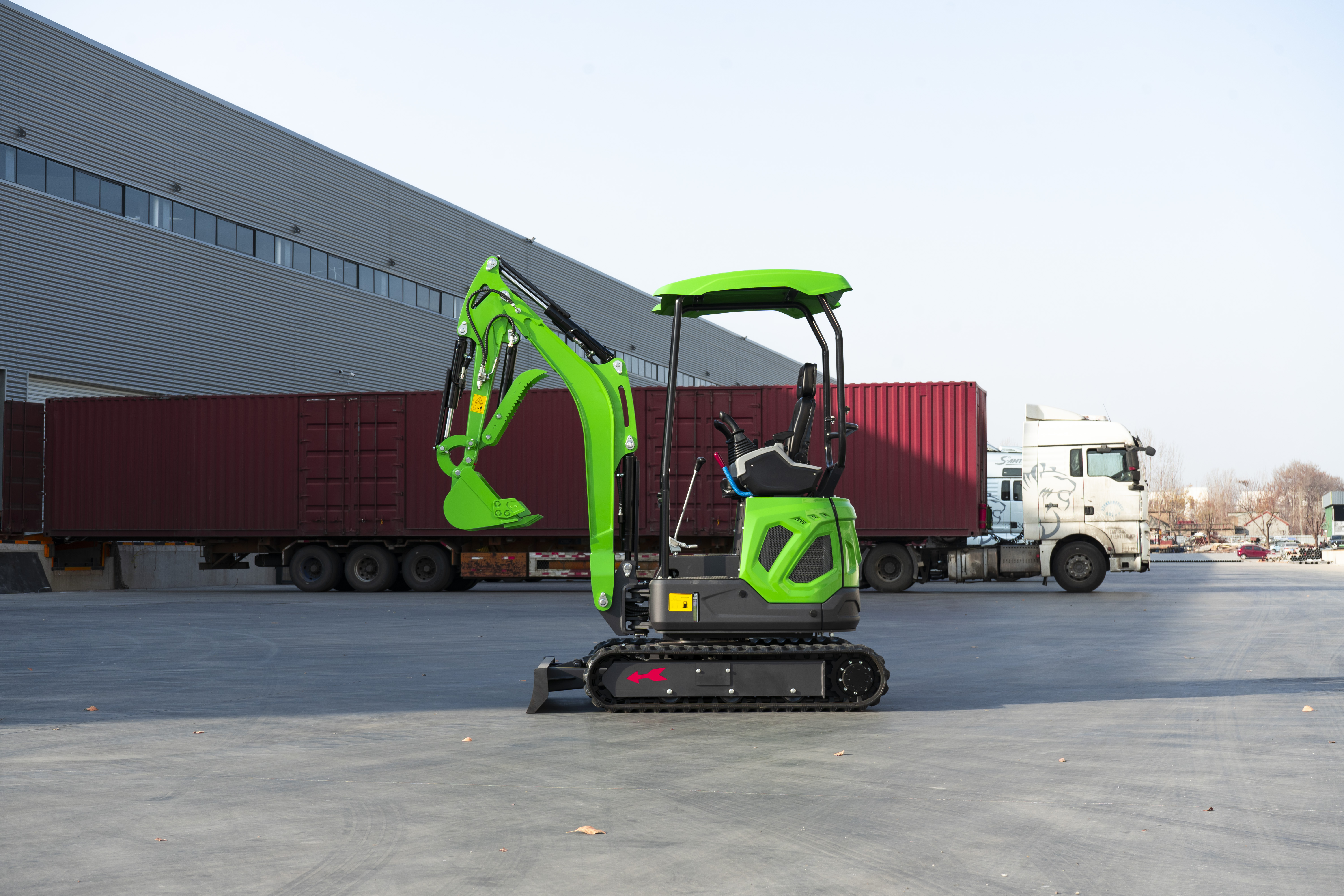
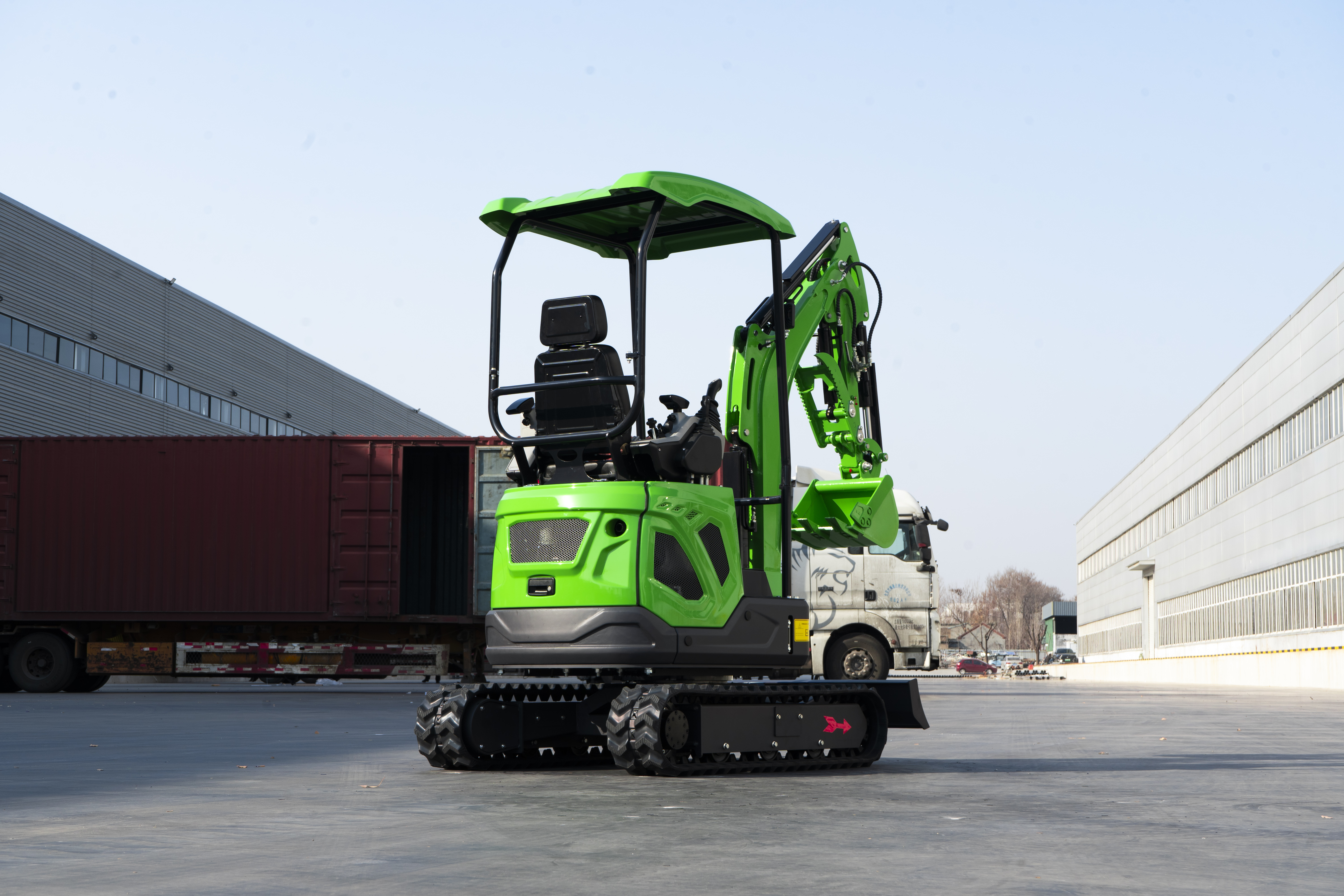
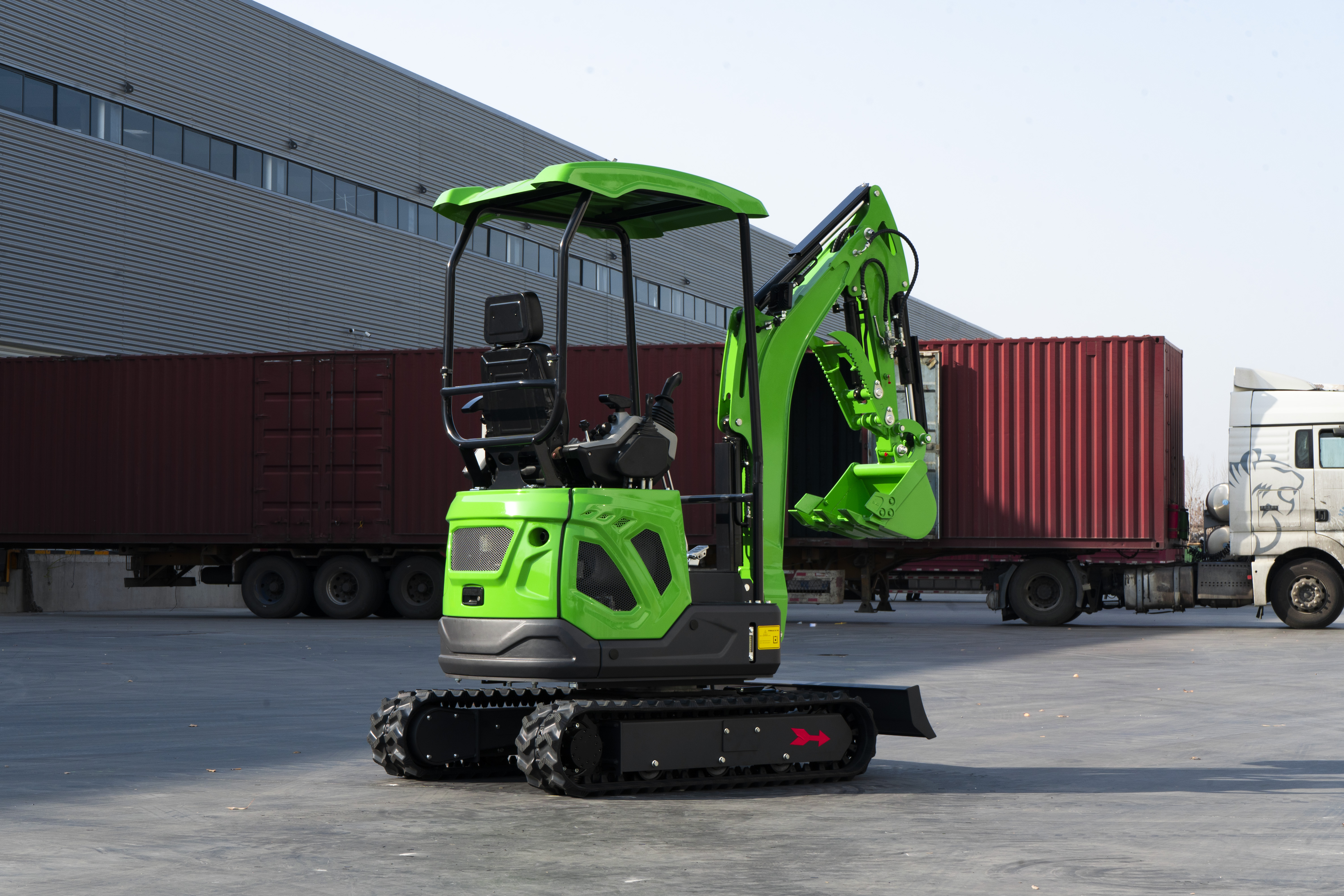
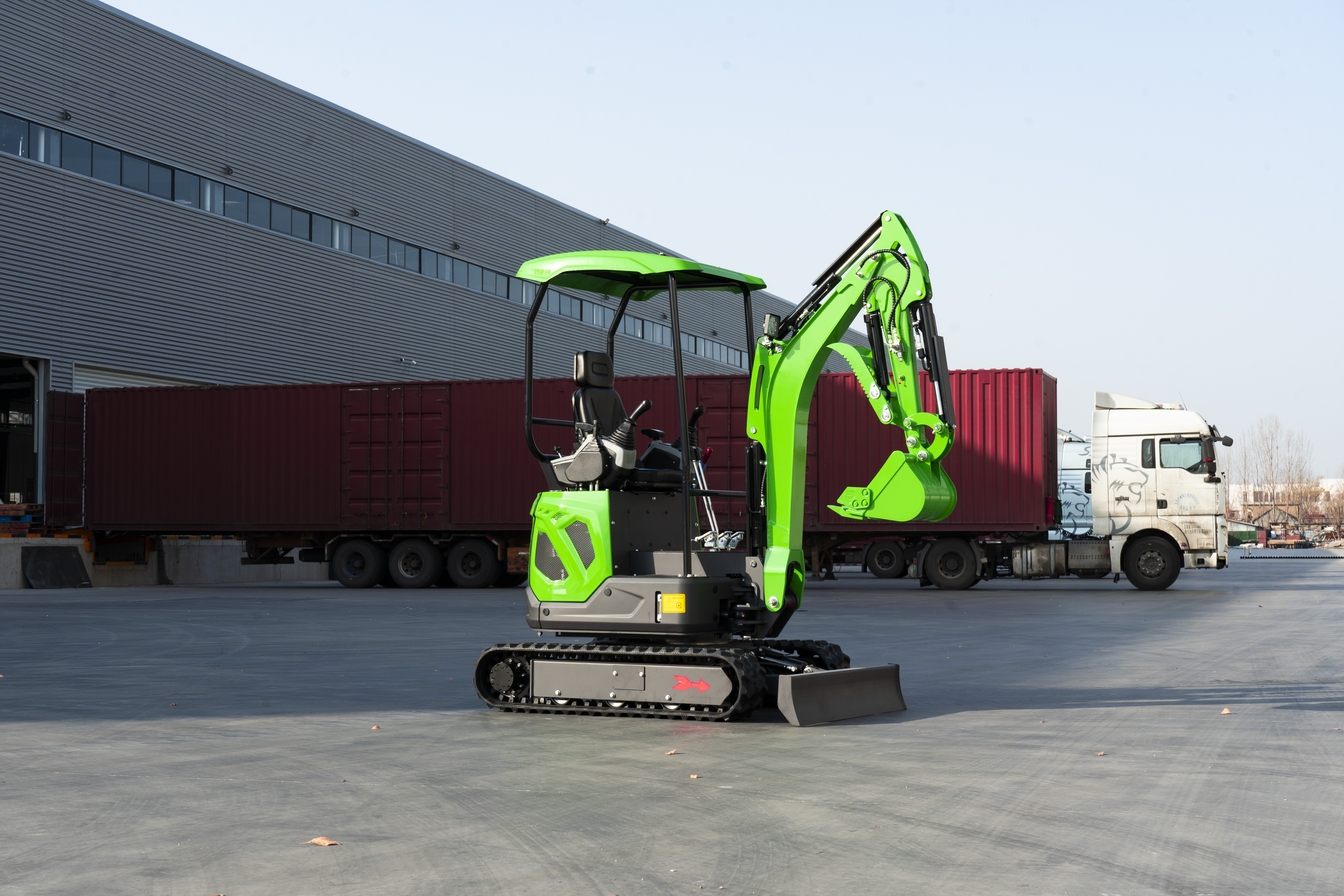
Clarify Operational Requirements to Narrow Down Mini Excavator Manufacturers
Align digging depth, operating weight, and attachment compatibility with site-specific job demands
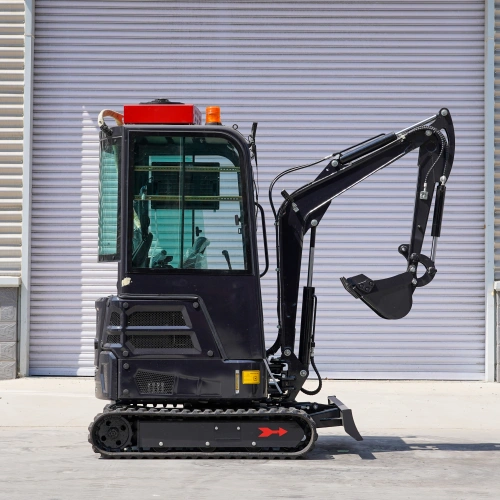
When selecting equipment, align specs with what the job actually requires in terms of space limitations and what functions are needed. The digging depth should go beyond whatever is required for trenches or foundations. Urban utility jobs usually need around 6 to 8 feet deep, but out in rural areas where bigger infrastructure is happening, we often see requirements going past 10 feet. The operating weight matters too because it affects how easy it is to move around and what kind of pressure gets put on the ground. Machines weighing less than 3 tons work well on delicate surfaces such as pavers or nicely landscaped areas, while those over 5 tons provide better stability when doing serious lifting or tough digging work. Check if the hydraulic flow rates (in gallons per minute) match up with the attachments planned for use like breakers, augers, grapples, or tilt buckets without needing expensive adapters. In cramped city spaces or inside buildings, look for machines with zero tail swing that are narrower than 35 inches across. Getting clear on all these details first cuts down about 70% of machines that won't fit the bill before spending time on detailed comparisons.
Evaluate engine power, hydraulic efficiency, and service intervals as durability benchmarks
How well an engine performs and how efficiently systems work are good indicators of whether equipment will last in the long run. Look for Tier 4 Final compliant engines that can deliver around 15 to 20 horsepower per ton of operating weight. These specs usually handle compact clay soils or mixed soil conditions without the machine constantly struggling. For hydraulics, watch out for pressure stability within about plus or minus 3 percent when under continuous load. Pressure fluctuations often point to worn pumps or valves that eventually cut into productivity. Maintenance schedules matter too. Machines needing hydraulic fluid changes every 500 hours or so and filter replacements after roughly 1,000 hours tend to have fewer breakdowns and save money over their lifetime. Studies on equipment lifecycles reveal something interesting: machines needing maintenance every three months typically cost about 18 percent more each year compared to ones serviced twice a year. When shopping around, check manufacturer reliability reports especially for models that claim they can last through 10,000 hours of operation. This helps identify what actually stands the test of time in real world conditions.
Compare Mini Excavator Manufacturers on Production Integrity and Technical Capability
Assess vertical integration: Tier-1 manufacturers vs. OEM-assembled alternatives
For mini excavators, vertical integration really sets top builders apart from the rest. When looking at Tier-1 manufacturers, they actually design and build their own essential parts like hydraulic pumps, various valves, those big digging arms (booms), and even the undercarriage frames right in their own factories. This gives them much better control over how everything fits together. Problems get fixed quicker when something goes wrong because they know exactly where each component came from. Plus, all the mechanical bits work smoothly with the hydraulic systems since everything was made with compatibility in mind. On the flip side, many other manufacturers just put together machines using parts bought from outside suppliers. This creates issues down the road with how well things fit together and performs over time. According to research published last year by Machinery Reliability, these Tier-1 built machines needed about 37% fewer unexpected repairs during a three-year period. Makes sense really when considering their complete control throughout manufacturing. And when it comes time for maintenance later on, techs working on these machines don't have to deal with chasing down information from multiple vendors anymore. They can simply refer to single-source manuals and diagnostics tools approved directly by the manufacturer.
Analyze engine partnerships and their influence on reliability and lifecycle cost
When manufacturers team up with specialized industrial powertrain developers rather than going the generic route, it makes a big difference in how long their equipment lasts and what they end up spending overall. Equipment makers who work closely with engine OEMs typically see around 15 to 22 percent improvements in fuel efficiency. Plus, maintenance schedules stretch out from the usual 300 to 400 hours to about 500 to 700 hours when using these custom engines. The reason? These power units come with torque curves specifically designed for digging operations, cooling systems built right into the design, and internal parts made tough enough to handle constant stress cycles. Real world data keeps showing that operators save between $18k and $25k over 10,000 operating hours because they burn less fuel, replace parts less often, and spend fewer days waiting for unexpected repairs.
Validate Reliability Through Warranty Structure and Global After-Sales Support
Decode warranty terms: duration, labor inclusion, and coverage exclusions as trust signals
The way a company structures its warranty tells us quite a bit about how confident they are in their product's build quality and what kind of support they expect to provide over time. When looking at options, it makes sense to go for brands that offer at least three years on structural warranties covering all labor costs. Warranties that last less than this or exclude labor usually mean the manufacturer isn't so sure about how durable their machines will be in real world conditions. Take some time to read through those small details in the contract. Parts that tend to fail frequently such as hydraulic hoses, swing bearings, and parts of the undercarriage need to be covered properly rather than just focusing on big assemblies. Top tier manufacturers typically include around 90 percent of all components within standard warranty coverage while lower-priced alternatives only manage between 60 to 70 percent coverage. Getting transparency is important as well. Companies that make their warranty information easy to find and understand can cut down on arguments after purchase by roughly one third, based on industry standards for construction equipment reliability.
Map dealer network density, parts lead times, and multilingual technical support across key markets
The ability to keep operations running smoothly has less to do with what's written in the spec sheet and more to do with how strong the support network really is. Look for dealers located within about 50 miles of main work locations since around three out of four unexpected stoppages happen because technicians take too long to arrive or parts just don't get there on time. Companies that have distribution centers and warehouse facilities nearby tend to send out most standard parts within two days, while those relying on imports typically wait five to seven days for deliveries. When working across borders or with teams speaking different languages, having tech support staff fluent in multiple languages becomes absolutely essential. Communication breakdowns when fixing problems can triple the time needed to resolve issues. The best equipment makers go beyond basic support by offering web-based tools that show exactly what parts are available right now and provide round-the-clock diagnostic services from afar, helping predict when maintenance will be needed before breakdowns actually occur.
FAQ
What considerations are important when choosing mini excavator specifications?
Considerations are digging depth, operating weight, and hydraulic flow rates. These need to align with the site's job demands.
How does engine performance affect mini excavator durability?
Engine power and hydraulic efficiency are key durability benchmarks; Tier 4 Final compliant engines ensure efficient and lasting operations.
What does vertical integration in mini excavator manufacturing mean?
Vertical integration involves designing and building essential parts in-house, providing better control over compatibility and reducing repair needs.
How do engine partnerships influence mini excavator reliability?
Custom engines designed with specialized powertrain developers improve fuel efficiency, extend maintenance intervals, and reduce lifecycle costs.
What warranty aspects indicate a manufacturer's confidence in their product?
Comprehensive warranties covering labor costs and common failure parts signal high confidence in product durability.
Why is dealer network density important for mini excavator operations?
Dealer locations within 50 miles ensure quick technician arrival and parts delivery, minimizing downtime due to unexpected stoppages.
Table of Contents
- Clarify Operational Requirements to Narrow Down Mini Excavator Manufacturers
- Compare Mini Excavator Manufacturers on Production Integrity and Technical Capability
- Validate Reliability Through Warranty Structure and Global After-Sales Support
-
FAQ
- What considerations are important when choosing mini excavator specifications?
- How does engine performance affect mini excavator durability?
- What does vertical integration in mini excavator manufacturing mean?
- How do engine partnerships influence mini excavator reliability?
- What warranty aspects indicate a manufacturer's confidence in their product?
- Why is dealer network density important for mini excavator operations?