
 EN
EN
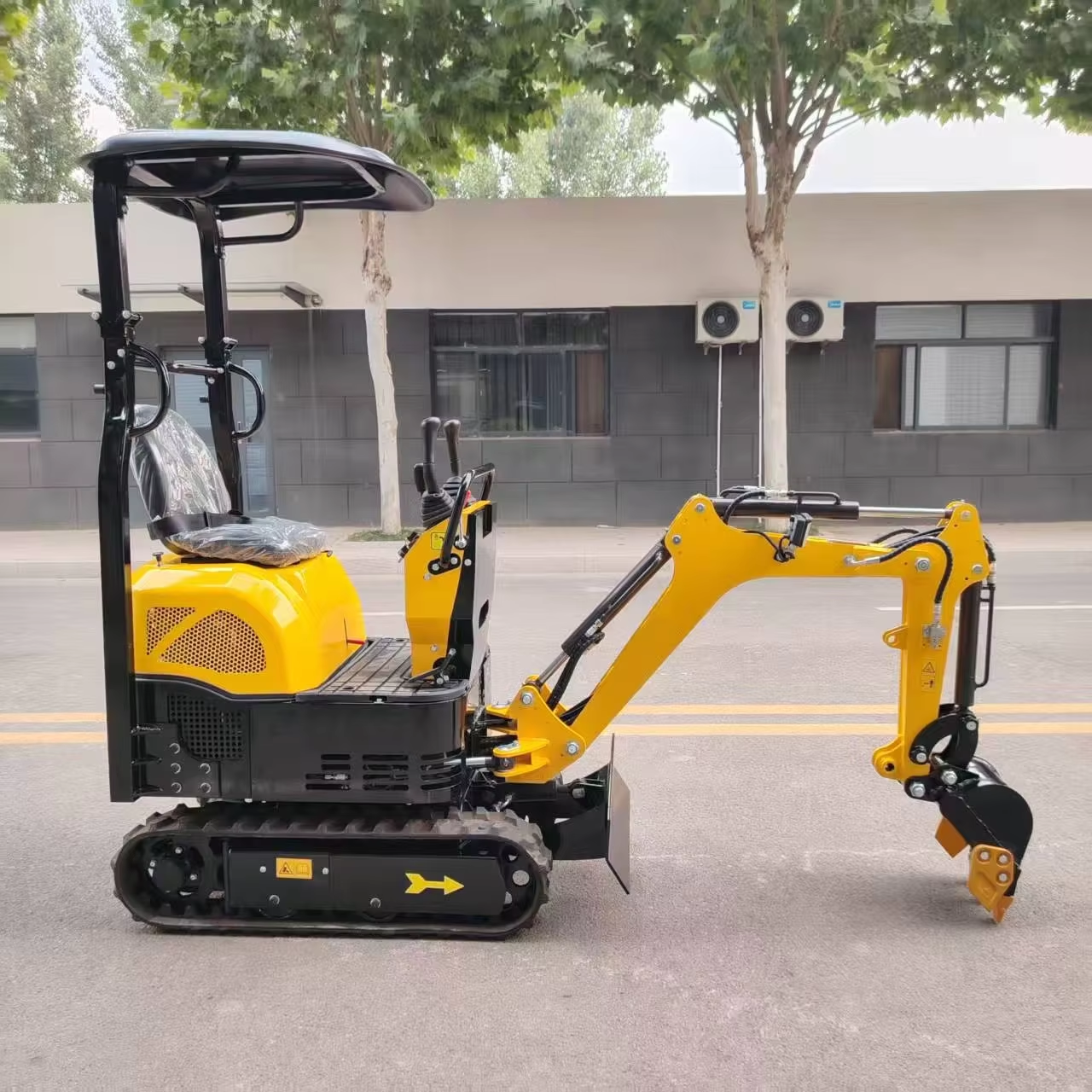
Define Project Requirements to Right-Size Your Excavator
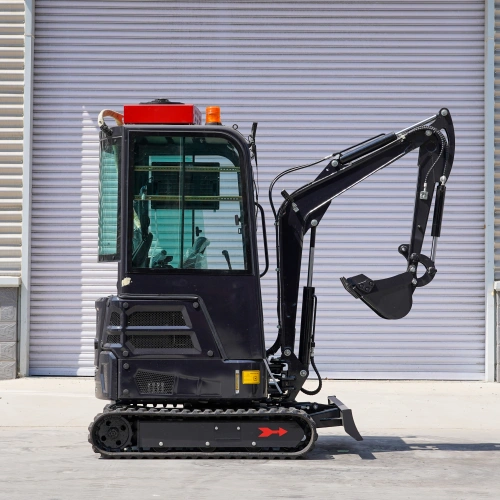
Project requirements help select an excavator and prevent costly over- or under- sizing, project delays, and budget overruns.
Align bucket capacity, operating weight, and digging depth to conditions on the site
Wire bucket capacity to the volume of materials to be moved. Move materials at high output with large buckets of 1.5- 2.0 cubic yards. Use smaller buckets of under 1 cubic yard to work precisely in confined spaces. to subgrade 8 tons. On soft conditions, ballast to fewer, and/or to larger than 20 tons to be sunk in rubble. Ballast to the average ground conditions. Exceed the Digging depth than the maximum deepest trench to be excavated, by 10-15%. Extend arm configuration beyond depths of > 15 ft. to improve efficiency and control. These do not comprise of efficiency.
Assess terrain, soil classification, and access constraints, consider geotechnical, and site surveys
Geotechnical surveys are used to classify soil to drive machine selection. Toward flotation, sandy soils require wider tracks, whereas clay requires higher breakout force and aggressive bucket teeth. For over 15% slopes, consider low-center-of-gravity machines. In urban, congested settings, smaller models, under 7 tons, are able to navigate, minimize site disruption and complexity on permits by avoiding overhead. Site considerations in the surveys will uncover the fasted constraints and minimize the risk of re-work by as much as 30% in dense conditions.
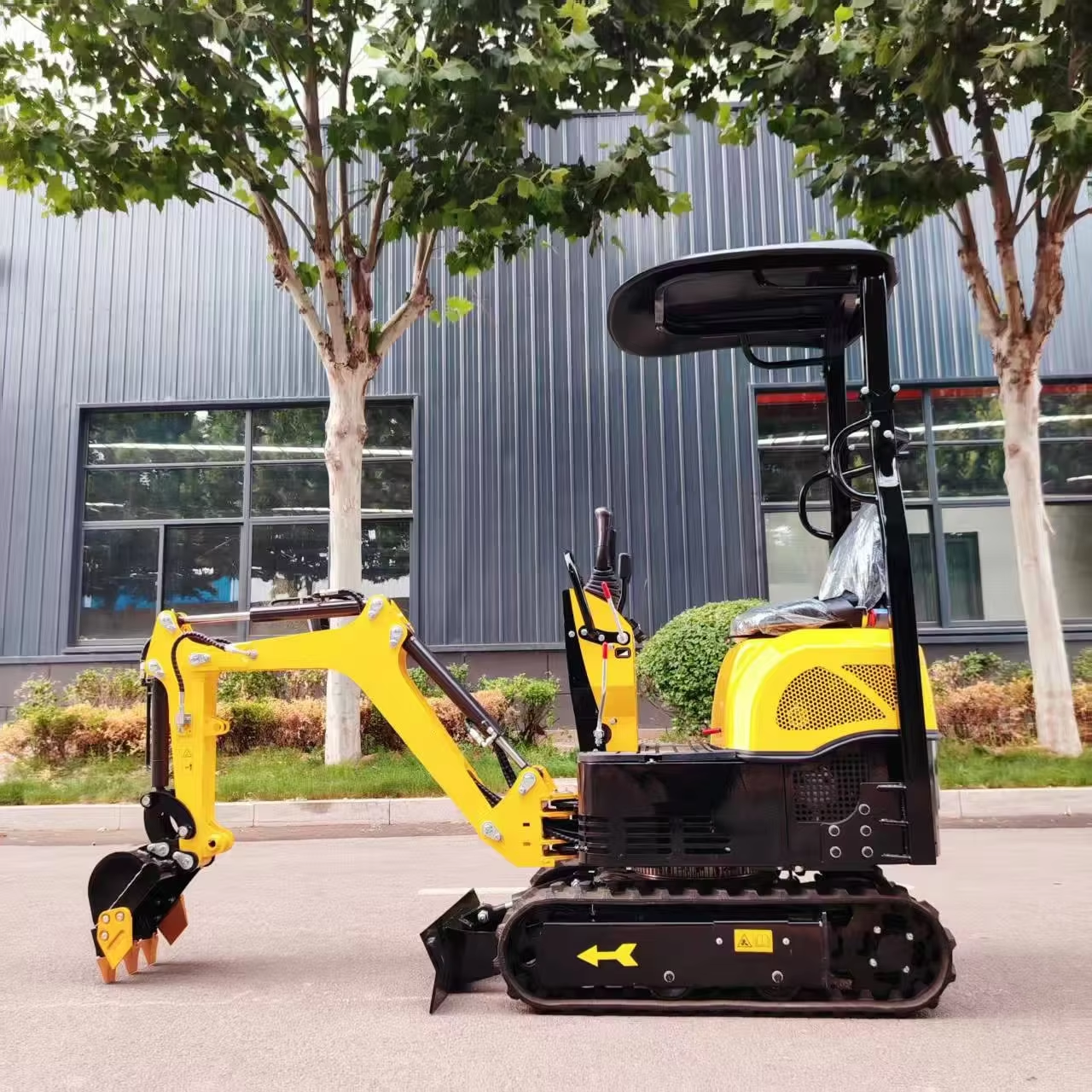
Long-Term Value: True Cost of Ownership
Fuel consumption, maintenance costs, and regional parts availability all have value that goes far beyond the initial purchase cost.
True cost of ownership goes well beyond initial purchase price. All excavators have variations in fuel consumption. While newer engines achieve a 12% increase in fuel efficiency, excavators of all sizes consume 4-7 gallons of fuel per hour. Predictable maintenance scheduling adds costs as well. As an example, the cost of a mid-sized excavator is approximately $1,200 per year for hydraulic maintenance. Full-service maintenance contracts can reduce downtime from approximately 40% of the total work hours. Lastly, the availability of parts is crucial. In a region with few dealers, parts such as track motors or hydraulic pump parts can take from 3-5 days to arrive, resulting in $900 to $1,500 of paid labor waiting to complete a task.
Consider the 3-year residual value, according to Off-Highway Research, 2023. Compact and mid-sized excavators maintain a residual value of 58-64%.
Resale value helps reduce the overall cost of ownership. As per Off-Highway Research, 2023, Compact (1 to 6 ton) and Mid-sized (7 to 20 ton) excavators maintain a 3-year residual value of 58 to 64%, which is 12-18% better than their larger counterparts. This helps recover capital costs in the range of $28,000 to $45,000 per unit. Mid-sized and compact excavators have a cost of ownership that is greater than $70,000 to $120,000, which helps the contractor manage multiple and changing project needs in a timely manner.
Verify Reliability and Local Excavator Support Capability
Confirm dealer service coverage, technician certification, and first-time fix rate (>92%)
The Hourly Cost of Excavator Downtime >$740 Costs Having Local Reliable Support Capability.
Ponemon Institute. (2023). Hence, verify dealer service coverage within 50 miles from the active site(s). Reliable services within 50 miles can guarantee critical failure resolutions (e.g. hydraulic leakage or track motor malfunctions) within the same day. Confirm the technician being an OEM (Original Equipment Manufacturer) is certified, as the audits carried out on the maintenance industry show >34% increase in risk of repeat failure perform unaccredited repairs. More importantly, require first-time fix rates exceeding 92% be documented, as this puts a benchmark for diagnostics, parts, and technologies. Hence contracting all three focus areas via site service and service logs results in 61% less reliance on unverified services.
Optimize Procurement with Rental, Refurbished, and Hybrid Excavator Options
Select rental-to-purchase or certified pre-owned excavators for short-cycle or scope-uncertain projects
If the project duration and/or the project scope is flexible, then procurement risk with a contractor or project team is flexible. Rental-to-Purchase agreements allow teams to evaluate/test bucket fill rates, operator ergonomics, and fuel economy while making payments to cover the cost of the excavator. Certified pre-owned excavators come factory refurbished with all software and manuals updated and a full warranty. The saw converter in the middle referred to a relatively low residual value (i.e. low depreciation value over time) of approximately 30% to 45% of a new value when mid-size machines sold refurbished (or as new in the market). These machines have a 100% warranty and refurbished battery systems. Hybrid models offer an additional 15-25% recovery when the machines are in stop/start operation modes (such as loading a truck or digging a trench in the work site).
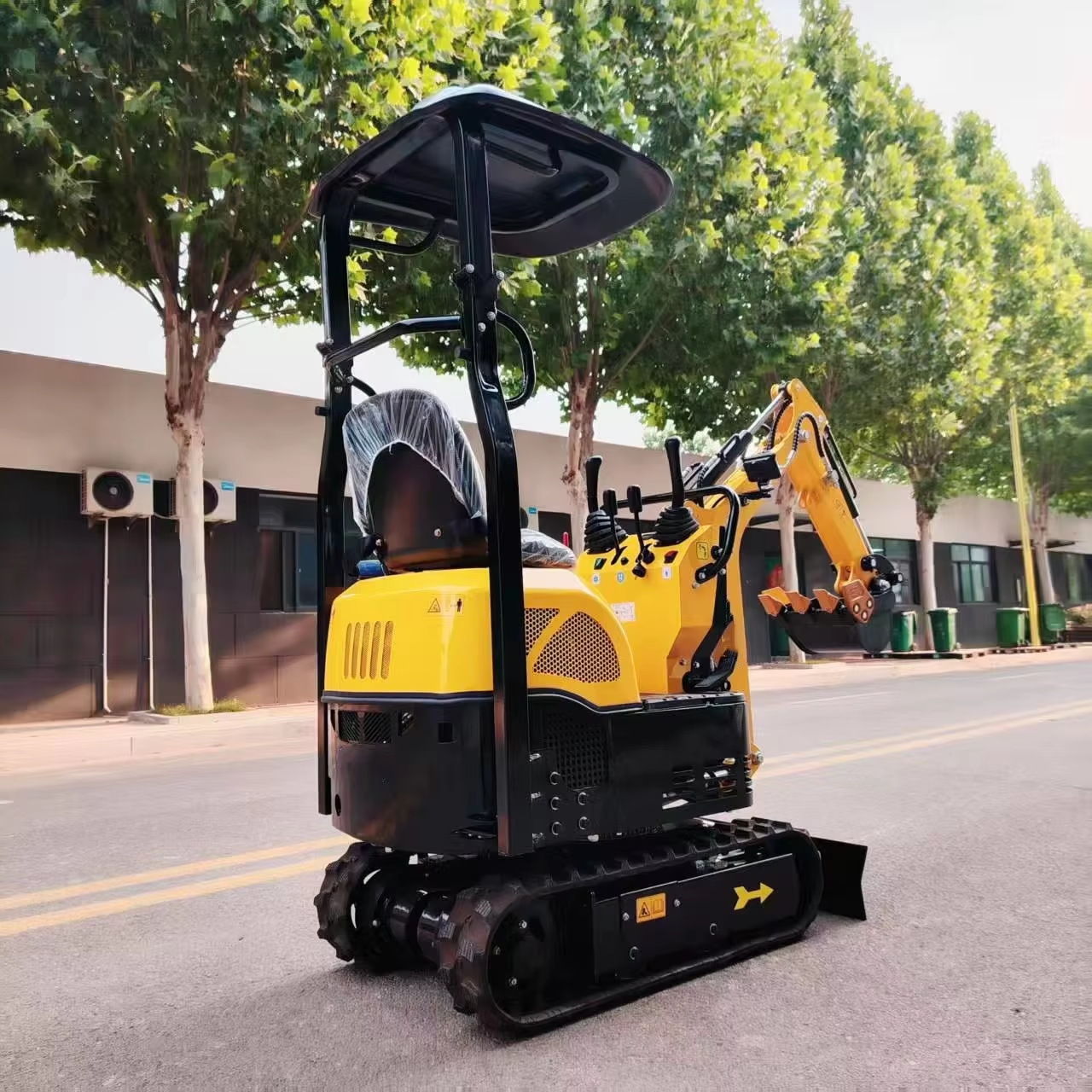
Frequently Asked Questions (FAQs)
What happens if an excavator is over- or under-sized?
When an excavator is under- or over-sized, costly adjustments have to be make to stay within budget. Precise sizing an excavator solves cost and time delays/issues.
What role do soil conditions play in determining excavator type?
Based on soil conditions, breakout force, type of tracks, and type of bucket teeth vary. As an example, breakout force is greater in clay, so incorporate wider tracks.
In what ways are the costs of ownership different?
Fuel costs, routine servicing, parts, and three-year appraised value are the greatest variables in costs of ownership.
What are the benefits of compact and midsize excavators?
Both compact as well as midsize excavators retain 58-64% value at year three, provide versatility in project pipelines, and work best in mostly or dynamically confined terrains.
What are the benefits of a rental-to-purchase agreement regarding procurement risk?
Rental-to-purchase agreements mitigate capital risk. They allow the buyer of unsold equipment to evaluate partnership so the buyer knows if equipment solves procurement needs.