
 EN
EN
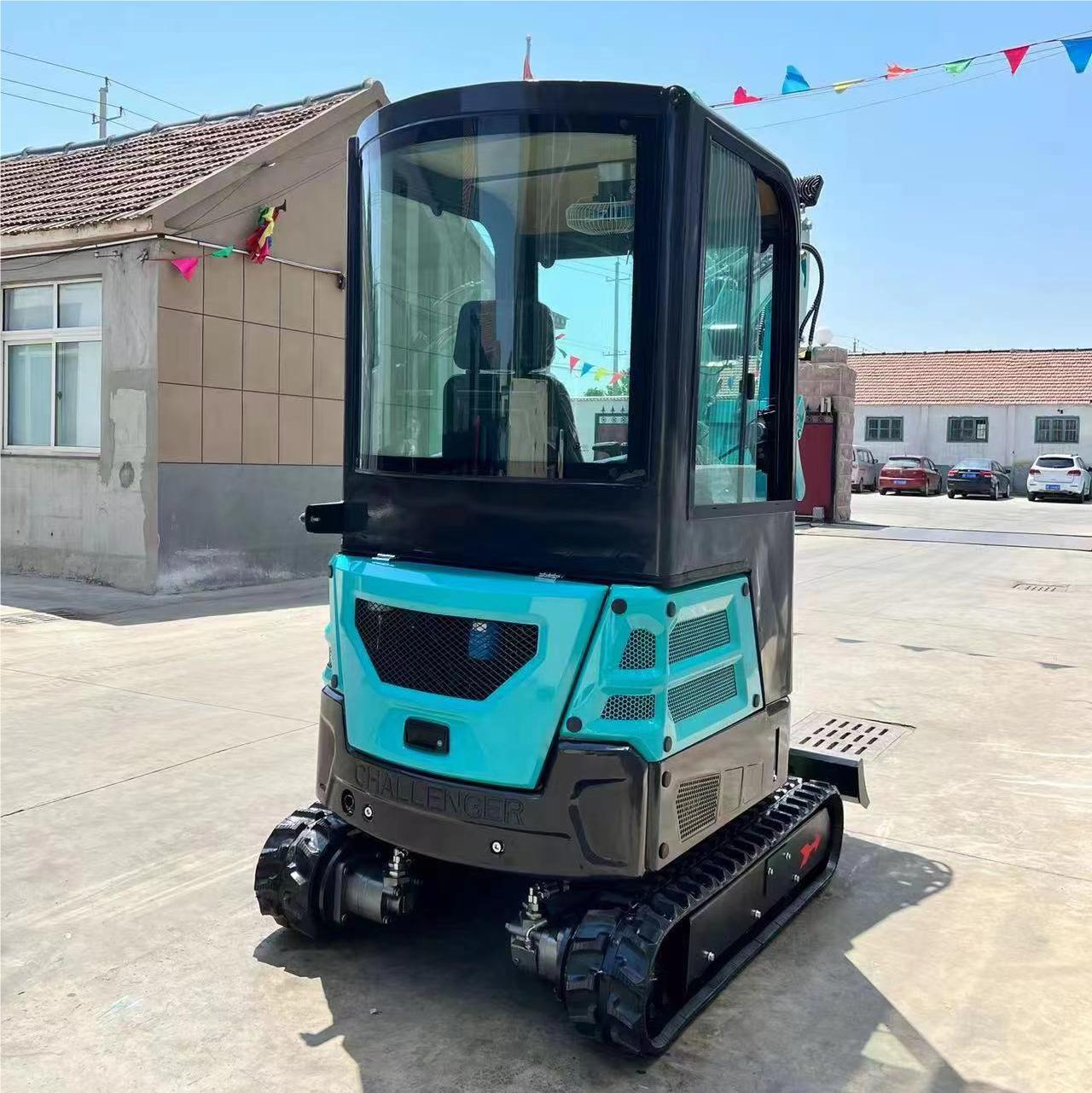
Zero-Tail Swing Design: Safety and Accuracy on Tight Job Sites
The case for zero-tail swing on urban job sites
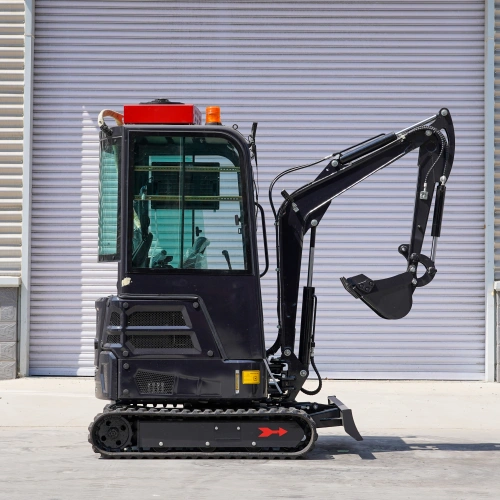
True zero-tail swing mini excavators can rotate the upper structure 360° within their track width. With narrower job sites, walls, utilities, and pedestrians are protected from rear-end collisions. As most renovation sites are less than 8 feet wide, including the historic structures of most urban centers, the rear-end collision protection of true zero-tail swing excavators prevents costly damages. The Construction Safety Institute indicates machines that have true zero rear clearance have been shown to reduce work site incidents by up to 63%. Unlike conventional excavators, which need 12"–24" of rear clearance, zero-tail excavators can perform tasks such as trenching and moving materials to within the footprint of the job site. Being able to work within the footprint of the site is invaluable where the excavation site is against against a structure.
Models from the near-zero category can be operational on sites that have limited space; certainly, true zero models can be used across such sites to minimize the workflow being interrupted vertically on the construction site walls or on the building. For example, projects often rotate along a site in order to minimize disruption when they are near the boundary of a site or inside a construction building.
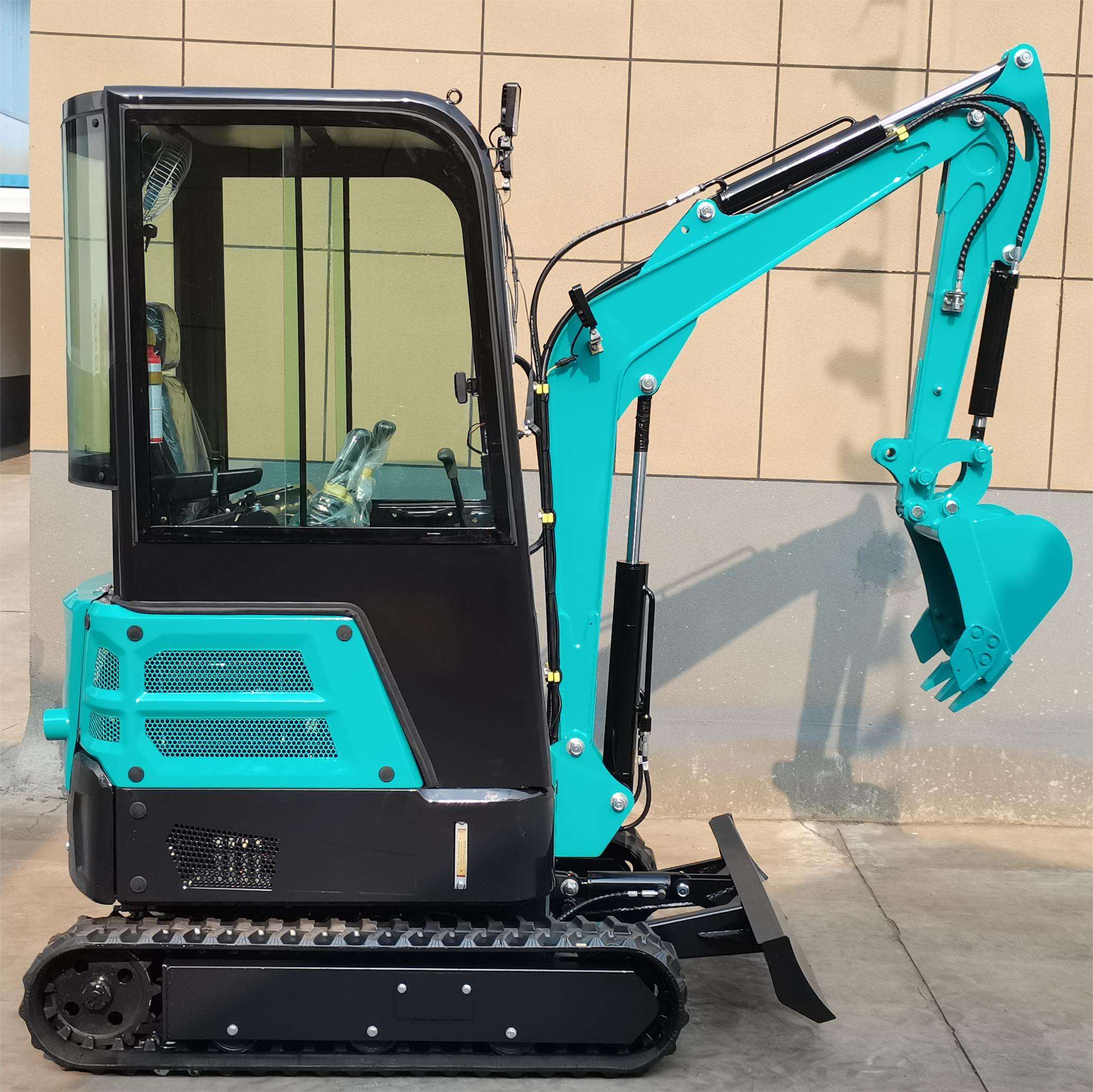
A (0°) true zero unit is capable of ordering a site without clearing the site.
A (7°) near-zero unit is constrained to pausing operations due to operational order remodeling, resulting in at least 20 minutes of lost ordered operations.
Across all net-cash site order completion time, there is unit precision contracting (via the wrongful contracts) loss maximization.
Optimal Size and Weight Class for Tight Access: Choosing the Right Mini Excavator
Trade offs for 1-3 ton vs. 4-6 ton: lifting capabilities, site clearance, maneuverability
The tradeoffs in choosing between 1–3 ton and 4–6 ton mini excavators relate to the requirements for spatial limitations and power. The 1–3 ton mini excavators tradeoff hydraulic power for maneuverability, and are best for jobs in tight locations like indoors or in highly urbanized. They have little to no impact to ground disturbance, and because of their low weight, can be easily towed on standard trailers and taken on narrow walkways with little disturbance. They are limited to lifting masses of load to about 1,500 lbs and digging about 8 Ft. 4-6 ton mini excavators have greater power in deep digging and can be used for lifting heavier items and other construction works due to their digging force being 40-60% greater. However, due to their size, they may have access issues at jobs where gates are 40 Inches. It is best to consider an excavator with greater agility in jobs with less than 10Ft of clearance as the structure has limited tolerances.
Three Dimensions in Dertermining the Right Mini Excavator: Access to gates, doorways, and Trenches
Width, Height, and Turning Radius no more than 36” no more than 7’ no more than 5’ respectively for access to gates and doorways
Width no greater than 36 Inches: Fits through standard doorways and alleyways and garden gates
Height no greater than 7 Feet: Indoor work, low clearance bridges or places with overhead obstructions
Turning Radius no greater than 5 Feet: efficiently allows moving around trenches and other confined workspaces
Ignoring these standards creates four main concern areas: project delays and design and construction safety hazards. One issue is that excavators greater than 36 inches struggle to even fit on fence lined paths. Units with loosened turning circles struggle with efficiency in tight utility trenches. Before operating an excavator on site, take the narrowest feasible diagonal on site, and compare the dimensions with the excavator’s available operating spread.
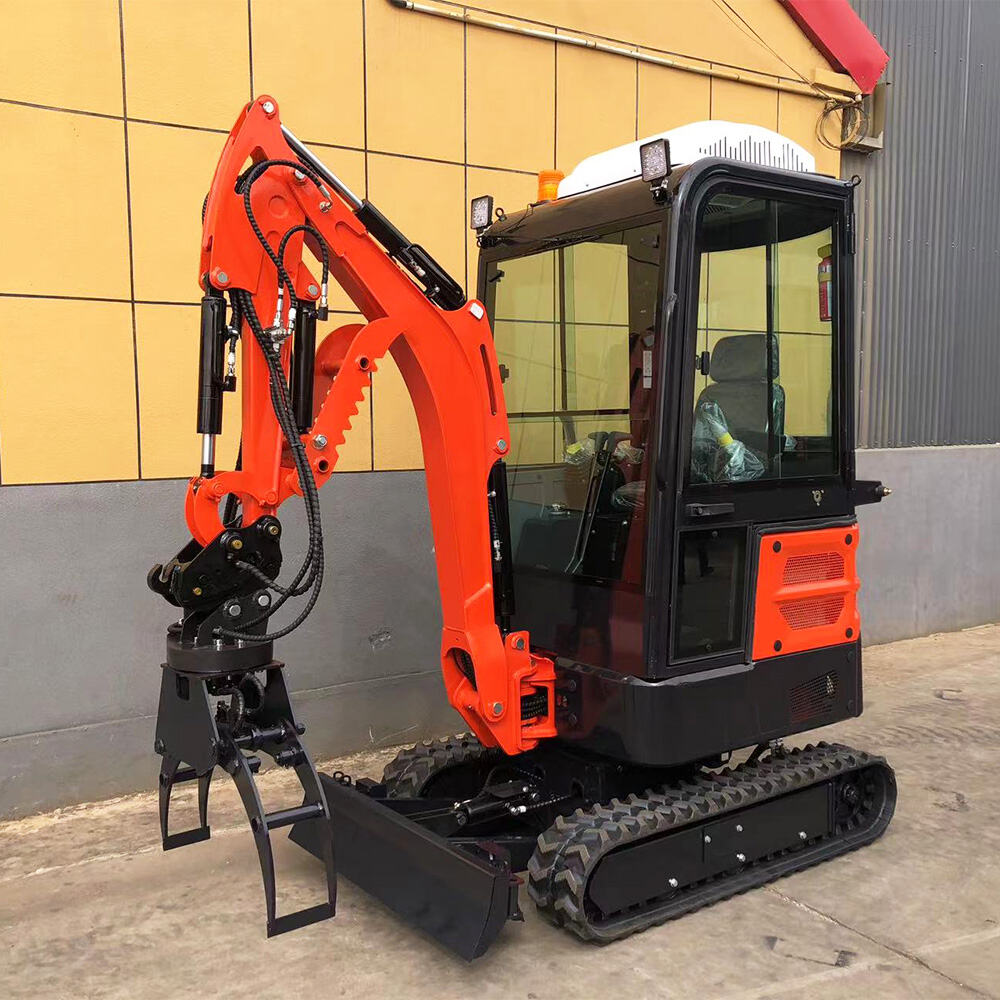
The following describes how attachment flexibility and hydraulic efficiency can allow a mini excavator to maximize productivity in constrained areas.
Operators of mini excavators can rapidly change tools in confined areas to maximize productivity. For example, the ability to rapidly change tools is done by a quick-connect hydraulic system, a task that takes an experienced operator 90 seconds versus a conventional operator who takes 240 seconds for tool change. Further, in tight areas, it is impractical to change equipment. Thus, the ability to accommodate a number of tools by a mini excavator is versatile. The benefits are: time-saving of rapidly switching tools, space efficiency, and elimination of secondary equipment mobilization fees, further demonstrating the value of multi-functionality mini excavators in tight work areas.
When track systems are in place, contractors can create a very low impact system while protecting the integrity of the work.
Zero Tail Swing Mini Excavators
True zero-tail swing vs. near-zero models. The difference lies in the design.
If a mini excavators reach, at the extreme, 360 degree rotation can be achieved with a true zero tail swing, rotation in a near zero tail design, excavators extending part of the track.
What size mini excavator is best for narrow-site operations?
Because of their size and ability to work in tight spaces, models in the 1-3 ton range work best. However, for jobs which require more hydraulic power, use the 4-6 ton mini excavator range.
Why is attachment compatibility important for mini excavators?
Having versatile attachments is important to avoid the need for constant mini excavator replacement throughout the job. Additionally, versatile attachments are able to work in various different settings.
Which undercarriage configuration is better for sensitive surfaces?
For more sensitive job sites, like an indoors or grassy job, then use mini excavators with rubber tracks. However, select mini excavators with steel tracks for more rugged job sites in order to avoid damage as steel tracks are better for rough jobs.