
 EN
EN
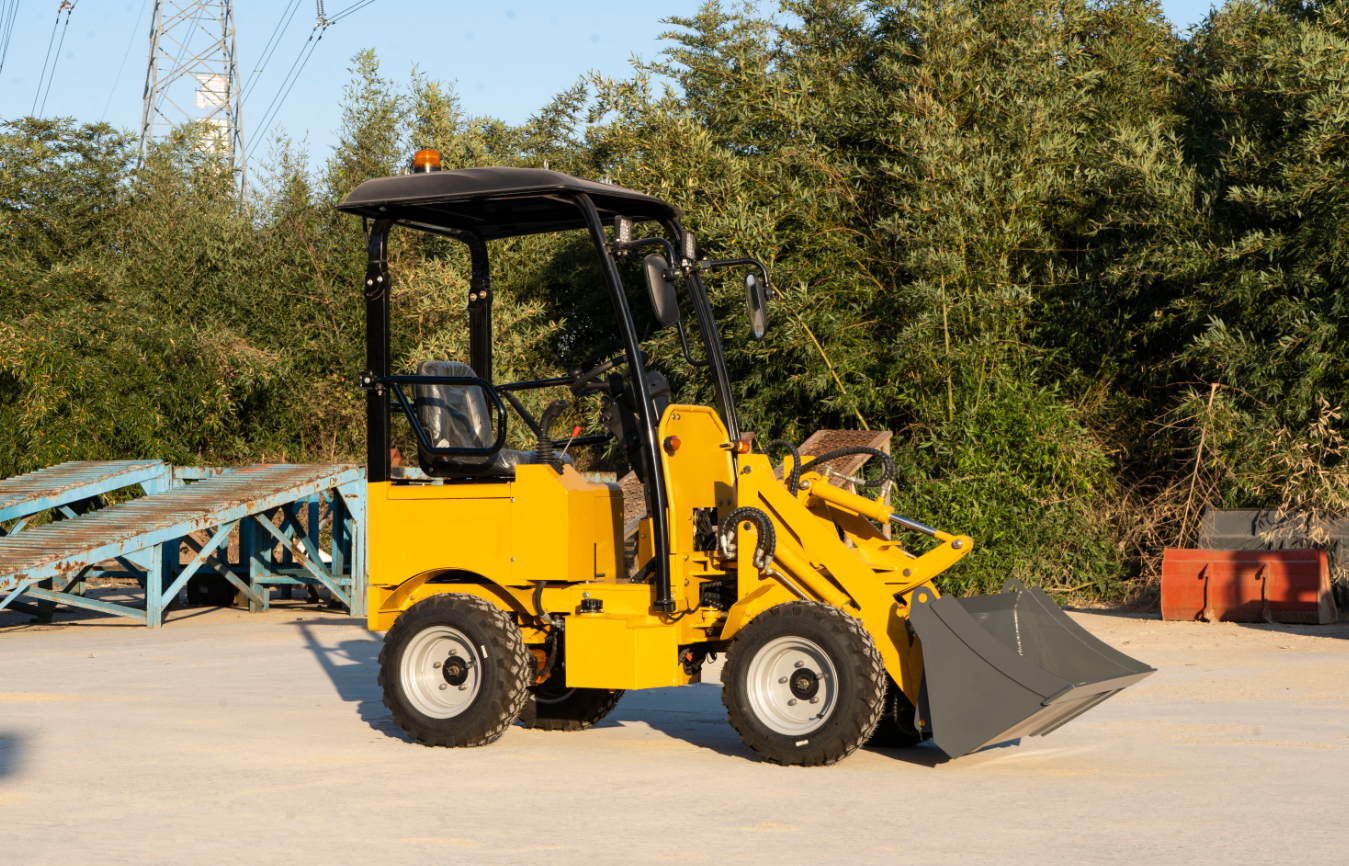
Mastering Mini Skid Loader Maintenance: A Practical Guide for Daily Care
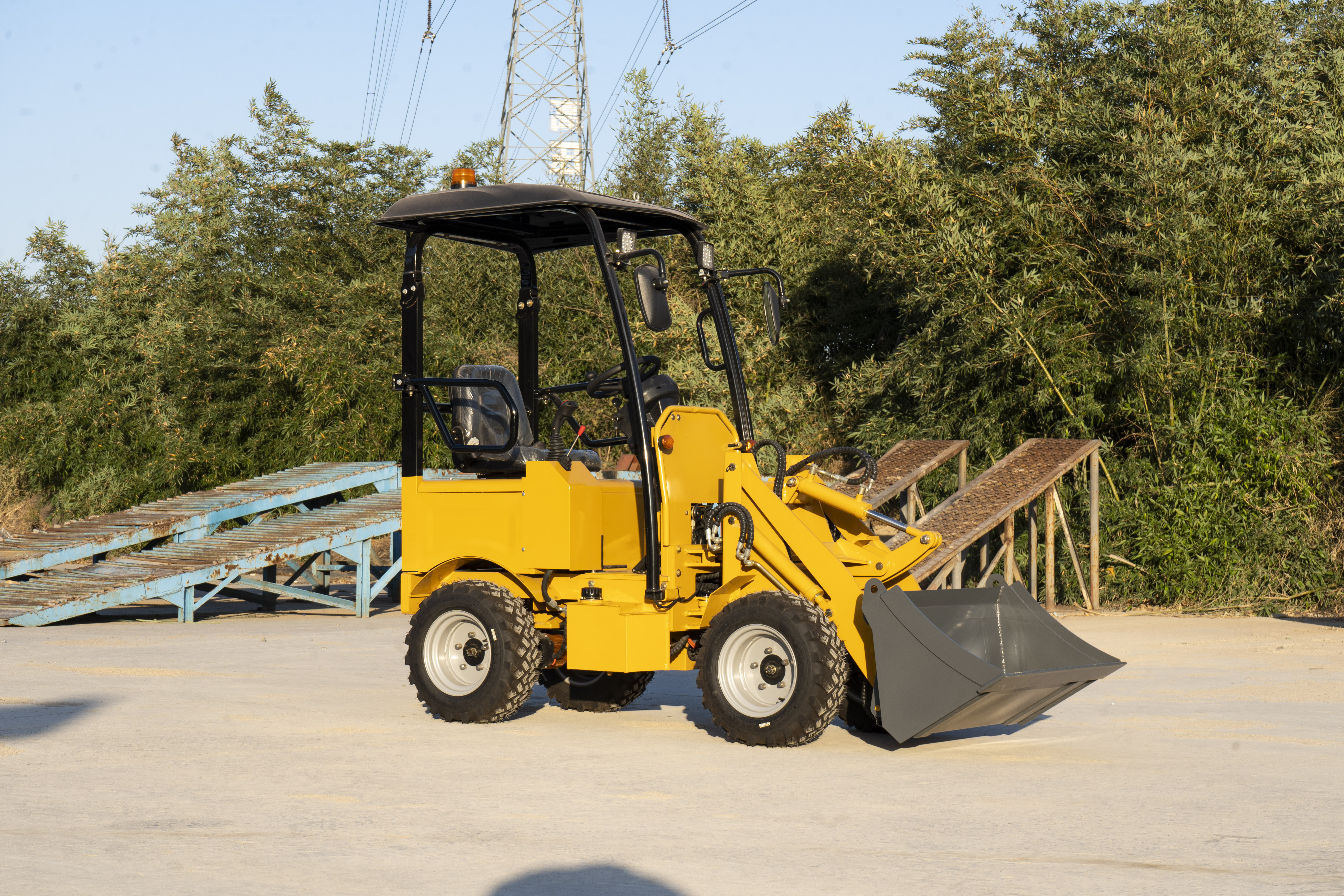
For equipment managers and operators, the mini skid loader is a compact powerhouse that delivers exceptional productivity on tight jobsites. However, its small size does not make it immune to the wear and tear of daily work. The most effective way to protect this valuable asset and avoid costly downtime is a disciplined daily inspection routine. By taking a few minutes at the start of every shift to check the machine, operators can catch minor issues before they escalate into major mechanical failures. These simple checks are the frontline defense against unexpected breakdowns. They save money on repairs, keep the machine running reliably, and ensure the safety of everyone on the jobsite. Understanding what to inspect, how to perform preventive maintenance, and how operating habits affect wear is essential for getting the most out of a mini skid loader.
The Daily Walk-Around: A Critical First Step
Before climbing into the operator's seat, a thorough walk-around inspection is essential. The operator should circle the machine and look for any signs of trouble. Puddles of fluid on the ground are a clear indication of a leak. The engine oil, hydraulic fluid, and coolant levels should be checked using the dipsticks or sight glasses. Low fluid levels are often the first sign of a developing problem. All hoses, fittings, and seals should be inspected for cracks, dampness, or bulges. A small pinhole leak in a high-pressure hydraulic line can quickly lead to a complete system failure. The structural components of the machine should also be examined. Weld cracks on the lift arms or a bent frame can compromise the machine's strength. Missing safety decals or damaged guards must be noted and reported. By consistently performing this walk-around, the operator creates a maintenance history that helps identify recurring issues.
Checking Tires, Tracks, and Safety Systems
Once the walk-around is complete, the next step is to inspect the machine's contact with the ground. For wheeled models, the tires must be checked for cuts, bulges, and proper inflation pressure. For tracked units, the track tension must be correct. A track that is too loose can derail, which can cause significant damage to the undercarriage and pose a safety risk. The battery health is the next critical check point. The terminals should be clean and the connections secure. A failing battery is a common cause of starting delays that disrupt the work schedule. The final step is to test all safety systems. The seat belt and the operator presence switch must function correctly. The backup alarm and all lights should be tested. The parking brake must be confirmed to hold the machine securely. A malfunction in any of these systems renders the machine unsafe to operate.
The Importance of Scheduled Preventive Maintenance
Preventive maintenance is the key to extending the lifespan of a mini skid loader. Unlike reactive repairs, which are performed after a failure has occurred, preventive maintenance is performed on a structured schedule to catch wear before it causes a breakdown. The schedule is tiered based on the operating hours of the machine. The most frequent service is the engine oil and filter change, which is typically performed every two hundred and fifty hours. This interval removes soot and acids that can accelerate wear on the engine's rings and liners. At five hundred hours, the gearbox and final drive oils are drained, and the hydraulic filters are replaced. This step removes sub-micron debris that can scour the pump internals and valve spools. An annual service includes a comprehensive inspection of the entire machine, including a coolant analysis and the replacement of the fuel filter.
Using Oil Analysis for Condition-Based Maintenance
Modern maintenance strategies are moving away from fixed intervals and towards condition-based decisions. This is achieved through a technique called oil analysis. By sending a sample of the engine oil, hydraulic fluid, or final drive oil to a laboratory, technicians can track the levels of wear metals and contamination. For example, a high concentration of copper or silicon in the sample may indicate bearing wear or dirt ingress. This early warning allows the maintenance team to change the oil or replace a filter before a catastrophic failure occurs. This approach not only protects the machine but can also extend drain intervals, saving the cost of unnecessary oil changes. Leading laboratories provide a rapid turnaround on samples, allowing maintenance decisions to be based on data, not on a calendar.
Keeping the Machine Clean to Prevent Damage
A clean machine is a reliable machine. The undercarriage is particularly vulnerable to damage from accumulated debris. Mud, sand, and rocks packed into the track frame can trap moisture, which accelerates corrosion. This packed material also creates a wedge that can seize the tensioners and strain the drive motors. After each shift in wet or abrasive conditions, the undercarriage should be cleaned with a pressure washer or scraper. The radiator and oil cooler fins also demand attention. A layer of dust reduces airflow, which raises the engine and hydraulic temperatures. This additional heat can shorten the life of the machine's components. Pivot points on the lift arms and bucket cylinders must be cleaned before they are lubricated. Dirt on these surfaces will be ground into the pin and bushing fit, creating oval wear that leads to slop and costly repairs.
The Right Way to Grease Hydraulic Fittings
Hydraulic fittings require a careful approach to lubrication. A light film of anti-corrosion protectant is necessary to prevent rust on exposed threads and coupler faces. However, over-greasing can be a problem. If the fittings become coated with a thick layer of grease, they will attract abrasive particles. When the quick coupler is disconnected, this dirt can enter the hydraulic circuit and cause valve sticking or pump damage. The best practice is to clean the fittings with a lint-free cloth before applying a thin layer of protectant to the outer sealing surfaces. Internal O-rings are lubricated by the hydraulic fluid during connection, so extra grease on them can cause swelling. In corrosive environments, a dry-film corrosion inhibitor is often a better choice than a wet grease.
How Operating Habits Affect Machine Wear
The way an operator handles the machine has a direct impact on its long-term reliability. Smooth, deliberate control inputs reduce the shock loads on the drivetrain, hydraulics, and frame. Sudden starts and stops, as well as sharp turns, place peak stress on the pins, bushings, and final drives. The load should be kept low and centered during transport. A high or unbalanced load shifts the center of gravity, which increases wear and raises the risk of a tip-over. The operator should always match the attachment to the task. Using an undersized bucket or an over-powered hydraulic implement forces the machine to work beyond its design envelope. Before using an attachment, it should be inspected for cracks and loose fasteners. A partially engaged quick coupler can cause wobble that damages the mounting plates. By adopting these good habits, the operator can significantly extend the service life of the machine.
How Quality Engineering Supports Reliable Maintenance
The long-term reliability of a mini skid loader is founded on the quality of its engineering. A machine with easy access to maintenance points, durable components, and a robust undercarriage will be easier to service and more reliable. Manufacturers who adhere to recognized quality standards, such as ISO 9001, subject their designs to rigorous testing to ensure they can withstand demanding conditions. For a fleet manager who is investing in new equipment, partnering with a disciplined, quality-focused manufacturer provides the ultimate confidence that the machines will deliver consistent performance and low cost of ownership for years.