
 EN
EN
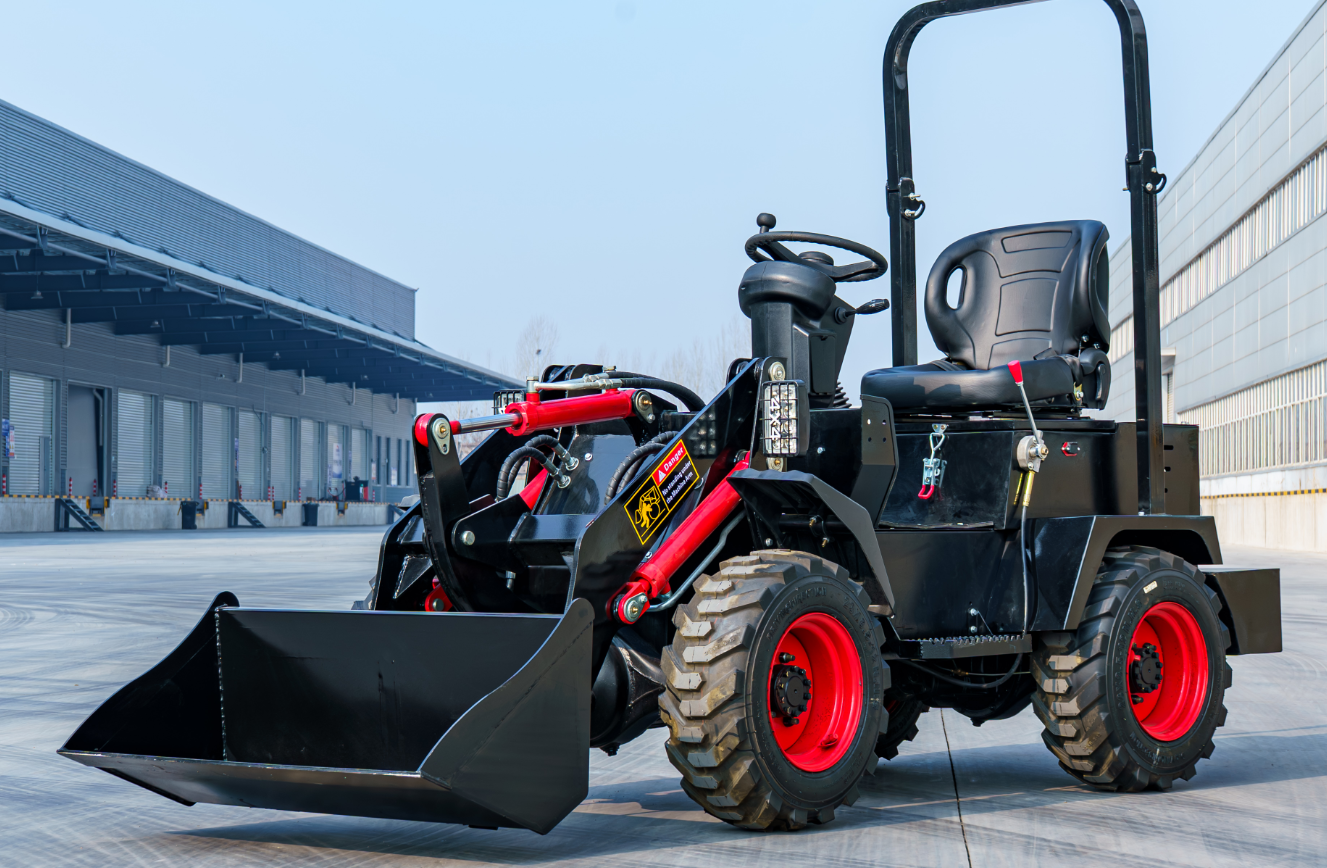
Maximizing Skid Loader Performance for Snow Removal and Year-Round Work
For municipal managers and contractors, the skid loader is one of the most versatile machines on the job site. While it is often associated with summer construction and landscaping, its true value is revealed during the winter months. A well-equipped skid loader can clear parking lots, push snow from driveways, and apply de-icing materials with remarkable speed and efficiency. However, the performance of the machine in snow removal is not simply a matter of horsepower. It is a delicate balance between the hydraulic flow rate, the ground speed of the machine, and the type of attachment being used. Understanding these dynamics is essential for maximizing productivity and making smart equipment investments. Furthermore, the same machine that clears snow in the winter can be outfitted with different attachments to handle debris management, sweeping, and material handling throughout the rest of the year. This versatility makes the skid loader a highly cost-effective asset.
The Role of Hydraulic Flow and Ground Speed
The snow-clearing performance of a skid loader is determined by the precise coordination of its hydraulic system and its travel speed. The hydraulic system supplies the power to the attachment. Standard-flow machines are capable of powering basic snow blades and rotary brooms effectively. However, for high-capacity snow blowers that must throw snow a significant distance, a high-flow hydraulic system is essential. Without sufficient flow, a blower will clog and become useless. The ground speed is equally important. Traveling at a faster speed allows the operator to cover a large area more quickly. However, if the ground speed is too fast for the hydraulic system, the attachment will not be able to keep up. A snow blade may ride up over the snow, and a blower may stall. The key to efficient clearing is finding the optimal match between the travel speed and the hydraulic flow rate.
A Real-World Comparison: Skid Loader vs. Tractor
The performance advantage of a skid loader for snow removal is best illustrated by a field comparison. A municipality conducted a trial comparing a skid loader equipped with a hydraulic snow blade against a standard agricultural tractor with a rear-mounted plow. Both machines were tasked with clearing a series of retail parking lots after an overnight snowfall. The results of the trial were striking. The skid loader completed the route in a fraction of the time it took the tractor. The skid loader's advantage came from its integrated lift and angle functions, which allowed the operator to push and stack snow efficiently. The tractor, with its rear-mounted blade, required wide turns at the end of each lot and struggled to remove hard-packed snow. The skid loader's zero-turn capability and head-on pushing technique eliminated nearly thirty seconds of wasted time per pass.
The Challenge of Wet, Heavy Snow
While skid loaders excel in dry, powdery snow, wet and heavy snow presents a unique set of challenges. When the moisture content of the snow is high, it becomes dense and heavy. A standard snow blade can cause the snow to curl over the top and billow backward. This blow-back obscures the operator's view and can even cause slush to be ingested into the engine air intake. To maintain visibility and protect the engine, the operator must reduce the ground speed. This reduction can cut the net efficiency of the operation by a significant percentage. Snow blowers avoid the blow-back issue by discharging the snow laterally. However, wet snow places a heavy load on the engine. A high-flow blower tackling a deep drift of heavy snow may demand so much power that the forward travel speed must be reduced to a crawl to avoid stalling.
Versatility Through Year-Round Attachments
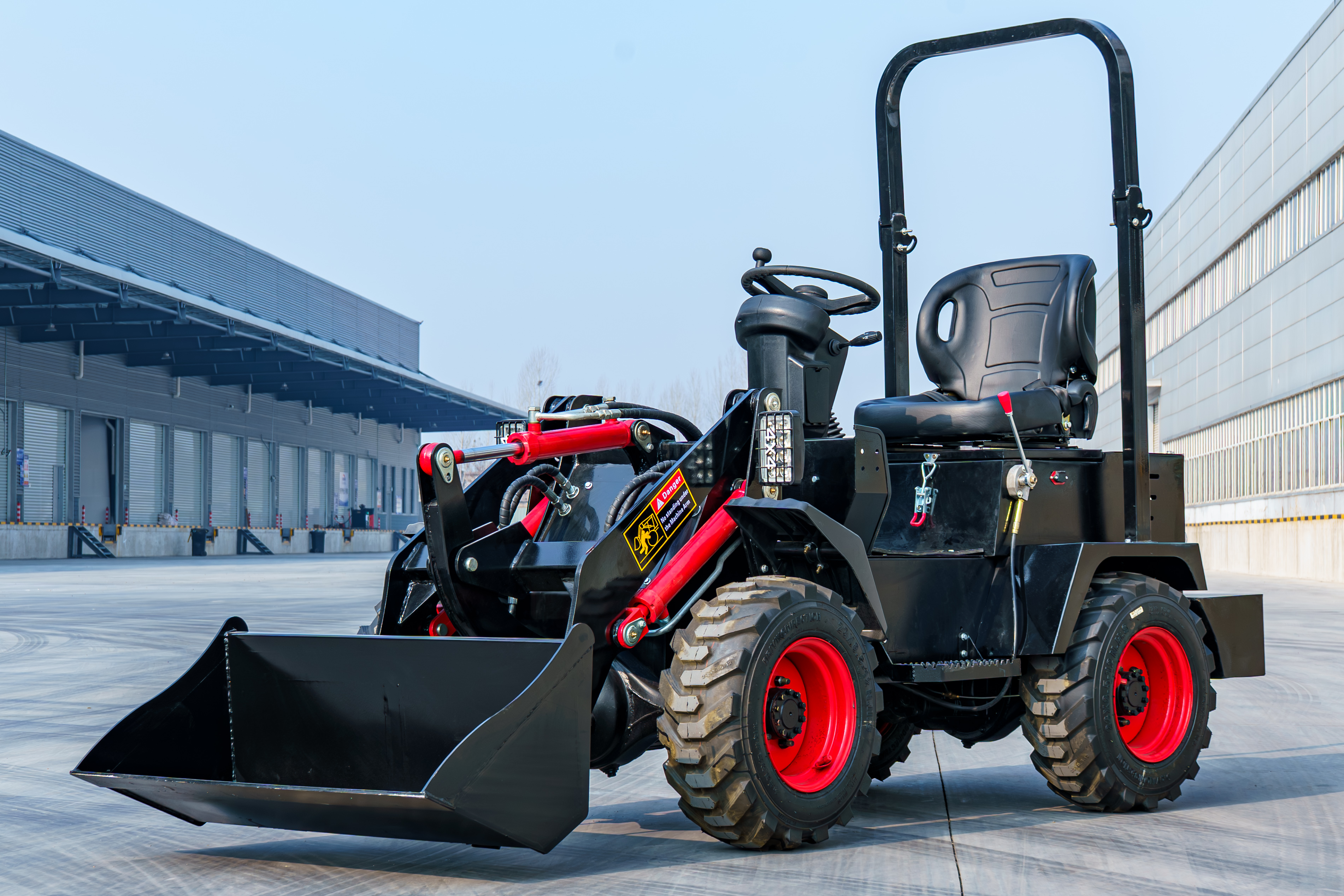
One of the most compelling reasons to invest in a skid loader is its year-round versatility. The quick-attach system allows the operator to swap attachments in minutes. This capability transforms a single machine into a multi-purpose tool. An angle broom can be used to sweep fine debris, dust, and light snow from paved surfaces. A grapple provides a secure grip for handling bulky waste like logs, brush, and construction rubble. When winter arrives, a salt spreader can be mounted to apply de-icing materials to walkways and access roads. This rotational model eliminates the need for a fleet of dedicated sweepers, loaders, and spreaders, which reduces capital expenses, storage space, and maintenance complexity.
Selecting the Right Attachment for the Job
Choosing the correct attachment for the task is essential for efficiency. Push blades are the best choice for cohesive, heavy materials. Their rigid edge scrapes and moves mass, making them ideal for grading and removing bulk snow or soil. Rotary brooms, on the other hand, excel at clearing loose, fine-particle debris. They leave a smooth, residue-free finish on asphalt and concrete. For sticky mud or packed aggregate, a blade prevents the surface from being gouged. For final polishing, a broom delivers consistent, non-damaging results. Matching the attachment to the debris type improves efficiency and protects the surface of the job site.
Essential Specifications for Dual-Purpose Machines
When selecting a skid loader for both winter and summer work, several key specifications must be considered. The rated operating capacity must be sufficient for the heaviest attachment that will be used. The hydraulic flow rate is critical, as it dictates which attachments can be powered. The lift path of the loader is another factor. A radial-lift machine excels at ground-level scraping and pushing, while a vertical-lift design provides consistent reach for loading trucks. The choice between a wheeled loader and a compact track loader depends on the terrain. Track loaders offer superior grip on snow and mud but come with a higher initial cost. Finally, an enclosed cab with heating and air conditioning is not a luxury; it is a necessity for maintaining productivity in sub-zero temperatures and dusty summer conditions.
The Financial Case for a Versatile Skid Loader
The economic benefits of using a single versatile skid loader instead of a fleet of dedicated machines are significant. A total cost of ownership analysis shows that a skid loader equipped with a snow blade, broom, and salt spreader consistently outperforms a fleet consisting of a plow truck and a sweeper. The initial acquisition cost is lower. Maintenance is consolidated onto a single engine and hydraulic system, which reduces service costs. Fuel consumption drops significantly, as one efficient diesel engine replaces two. Storage space and insurance premiums are also reduced. Perhaps most importantly, skid loaders retain their value better than seasonal, single-purpose machines. When the skid loader is utilized for both winter and summer tasks, the return on investment is realized quickly.
How Quality Engineering Supports Versatility and Reliability
The long-term value of a skid loader depends on the quality of its engineering. A machine with a robust hydraulic system, a reliable quick-attach mechanism, and a durable undercarriage will be more versatile and more reliable. Manufacturers who adhere to recognized quality standards, such as ISO 9001, subject their equipment to rigorous testing to ensure it can perform under demanding conditions. For a manager who is investing in a machine to handle a wide range of tasks, partnering with a disciplined, quality-focused manufacturer provides the ultimate confidence that the equipment will deliver consistent performance for years.