
 EN
EN
Small Excavator Attachments Unlock Efficient Construction
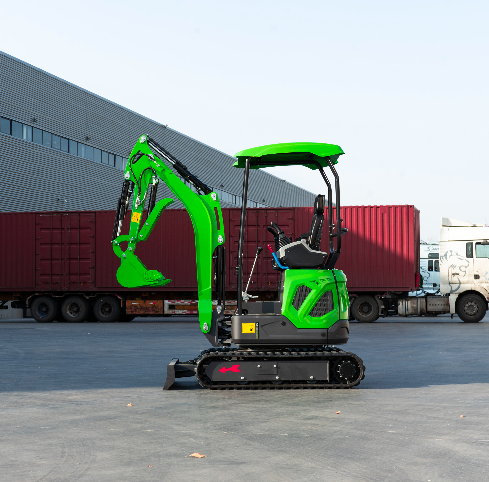
Construction site equipment and machinery operators have begun to recognize the potential of a construction site staple – the small excavator. This once ‘simply’ used excavator now serves as a primary productivity workhorse. The small excavator offers modularity that offers a host of specializations, including a breaker, grapples, or even a trencher attachment – all by the press of a button. A construction site equipment flexes to become the breaker, the trencher, and everything in between. As a result, a team may no longer need to dedicate a piece of equipment to each specialty. One small excavator and several of its specialized attachments may substitute and reduce the amount of equipment needed to process a given task. Peaking productivity on site is a result of deep understanding of integrated workflows and construction standards.
Quick Attachments for a Wide Range of Tasks
The versatility of the small excavator is unlocked through a wide range of attachments. The most common attachment is the bucket, which comes in several variations. A standard digging bucket is used for general earthmoving. A ditching bucket is narrower and designed for creating precise, flat-bottomed trenches. A grading bucket is wider and used for shaping and leveling surfaces. When the task requires breaking through concrete or rock, the hydraulic breaker attachment is used. For sorting and loading debris, a rotating grapple provides a level of control that a bucket cannot match. For utility installation, a chain or wheel trencher cuts narrow, straight trenches with high efficiency. This ability to switch roles in seconds is why so many contractors choose small excavators.
Standardized Interfaces for Cross-Brand Compatibility
The efficiency of a modern jobsite depends on the ability to use attachments from different manufacturers. The industry has addressed this need through the development of standardized hydraulic and electrical interfaces. The hydraulic quick coupler, built to international standards, ensures a leak-free connection that can handle high pressure. On the electrical side, a standardized connector provides power and two-way communication for advanced attachments. This allows a small excavator to use a trencher that was originally designed for a skid steer, or a breaker from a backhoe. This interoperability simplifies fleet management and increases the utilization of attachments.
Choreographing Task Handoffs for Maximum Productivity
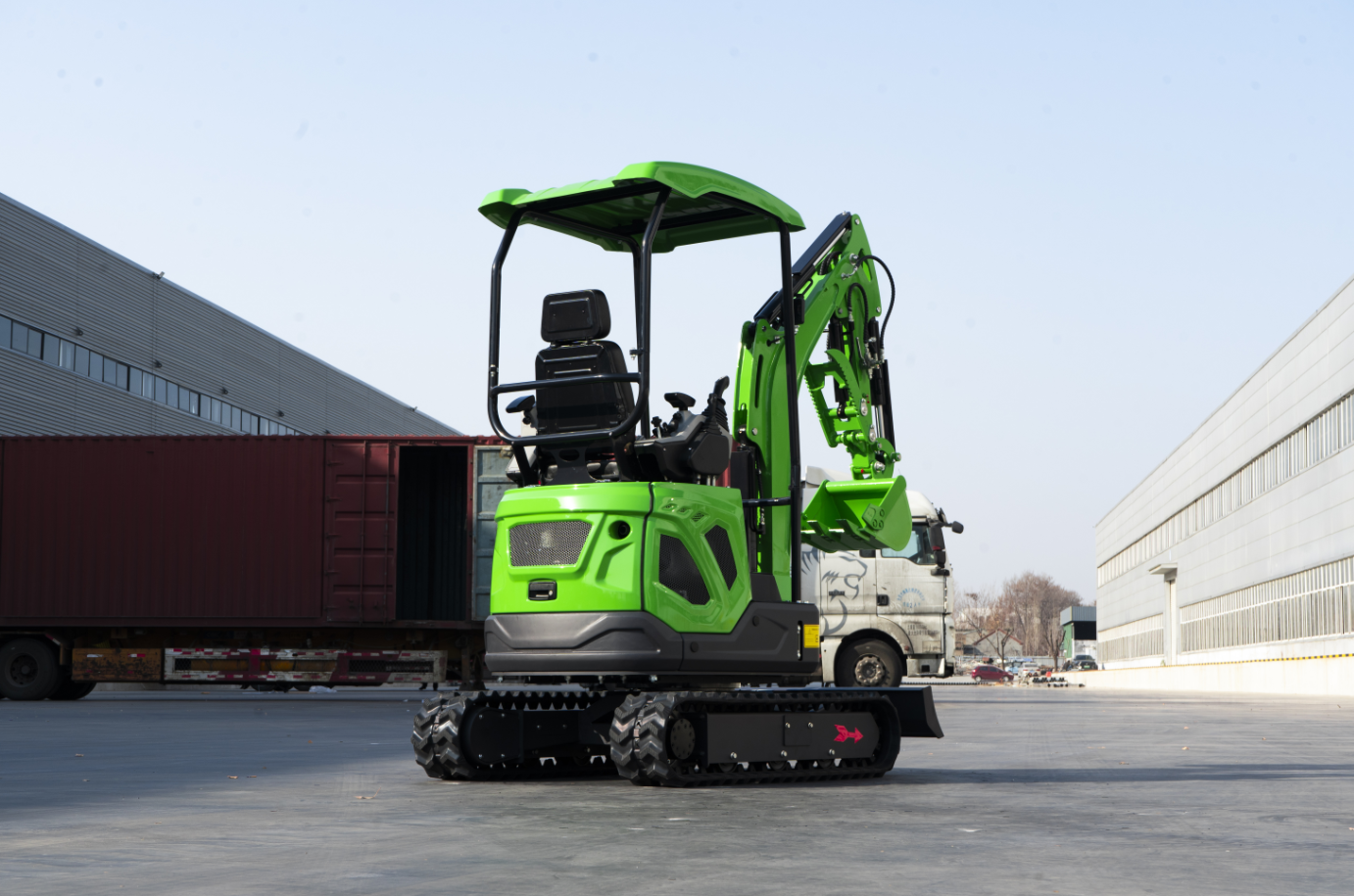
The effectiveness of a small excavator comes with its ability to work with other machines within a given framework. For a given task, each of the machines is meant to work to a maximum of its potential. A good example is the trenching and pipe laying workflow. In this case a small excavator works best to cut a trench to its precise depth and grade due to its exceptional boom control and compact size. This is almost immediately followed by a skid steer which lays the bedding material over the pipe in that limited space. A pipe layer ensures that the pipe is placed in the desired position. Once the excavator cleans a trench, bedding is facilitated quickly. A skid steer placing bedding material ensures that the pipe is placed as required. The placement of the pipe is done accurately by the pipe layer to prevent work from being done more than once. Together, the machines work in a connected production line.
A Tiered Approach to Precision Grading
Grading a site to precise tolerances requires a tiered approach that leverages the strengths of different machines. A bulldozer is used first to establish the rough contours of the site. This machine is designed for moving large volumes of earth quickly. The task then shifts to the small excavator. Its articulated arm and 360-degree rotation allow it to perform surgical fine grading. It can shape slopes and pads in areas that larger machines cannot reach. The final handoff goes to a laser- or GPS-guided grader. This machine receives the near-finished surface from the excavator and refines it to millimeter-level accuracy. By using the right machine for each phase, the project team achieves a build-ready surface faster and more cost-effectively than any single machine could alone.
Optimizing Workflows in Confined Spaces
In tight construction sites, the synergy between machines is even more critical. The small excavator is ideal for precision excavation tasks. Its 360-degree rotation and high dig depth make it perfect for working near foundations. The skid steer excels at material transport and rapid attachment changes. It moves quickly between work zones and can handle a wide variety of tasks. The backhoe offers a combination of loader and excavator functions, but its larger swing radius can be a liability on very narrow sites. For projects that require both precision digging and efficient material handling, the combination of a small excavator and a skid steer is often the most effective solution.
Real-Time Data Synchronization Across the Fleet
The efficiency of a mixed fleet is enhanced by the sharing of real-time data. Modern small excavators can be equipped with GPS grade control systems. These systems receive updated 3D site models wirelessly. As a dozer completes a rough cut, the as-built surface data flows instantly to the excavator, guiding its fine grading. This eliminates the need for manual staking and reduces idle time. The same data stream can be shared with other machines, such as a compact track loader. The loader uses the data to place backfill lifts at the target thickness and compaction level, preventing over-excavation or rework. This continuous flow of digital information creates a self-correcting jobsite, where errors are detected and resolved in real time.
The Role of Daily Planning and Communication
Achieving seamless coordination between multiple machines requires more than just technology. Daily planning meetings are essential to synchronize the team. These meetings focus on the cut sequences for the day, the planned movement paths for each machine, and the timing of the handoffs between tasks. Clear communication prevents collisions, avoids rework, and ensures that all equipment is operating in harmony. The equipment manager plays a crucial role in facilitating this communication and ensuring that every team member understands their role in the day's plan.
How Quality Engineering Supports Efficient Multi-Machine Workflows
Multi-machine workflows hinge on equipment quality for long-term success. Types of equipment with joysticks, such as excavators, require durable hydraulic couplers and reliable telematics systems. Equipment manufacturers that uphold quality systems like ISO 9001 put their equipment through various challenging jobsite evaluations. For a construction site manager looking to acquire a fleet of small excavators, partnering with a manufacturer of high discipline and quality will bring the assurance needed that equipment will provide the versatility and reliability to ensure project timelines are met.