
 EN
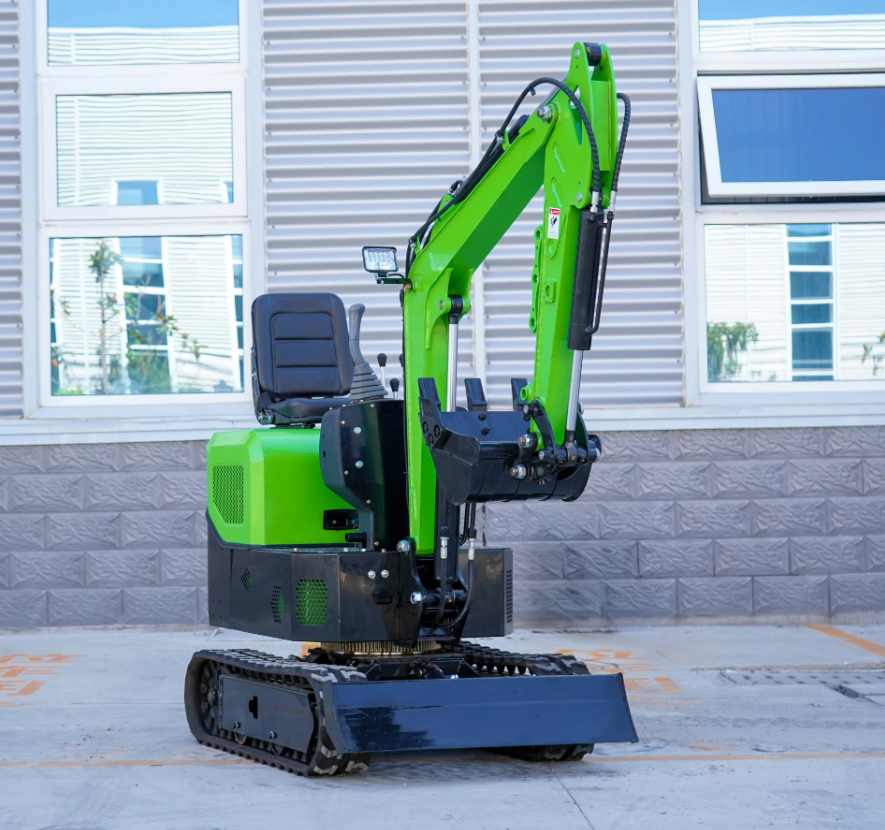
In a compact machine, the selection of power configuration is the single greatest lever on fuel burn. Intelligent use of power train selection can lower fuel burn for the life of the equipment. A mini skid steer loader, for example, can be engineered with an engine displacement and a flat torque curve which when coupled with electronic controls to manage hydraulic power, can mean power is delivered only when needed. Intelligent use of the power train by the operator can further improve fuel economy.
Engine displacement and torque curve matching
Right-sizing engine displacement to duty cycle
Displacement of an engine should be determined by its average load, not by literature. A mini skid steer loader used for grading, light material handling or trenching in a confined yard doesn’t need the largest engine available. Oversizing a load causes the governor to sip fuel just to turn the engine over at idle and at part load because of internal friction. By sizing the engine to the average power demand, the engine can operate in the most efficient band and help reduce fuel consumption. The engines in compact units in the 1-2 ton class are small displacement engines, typically diesel, which are geared for low end torque.
Flat torque curve for low-rpm efficiency
A flat torque curve lets the machine hold hydraulic output at low engine rpm. Instead of revving high to lift a load, the operator keeps rpm modest and the engine still meets flow demand. Low-rpm work reduces pumping losses and cooling fan drag, the two quiet thieves of diesel efficiency. Manufacturers express this through a torque-rise percentage; a higher rise means the engine recovers from load dips without the operator flooring the pedal. For repetitive cycling on a jobsite, that difference compounds into measurable fuel savings every shift.
Electronic control and load-sensing hydraulics
ECU engine mapping for fuel burn
Electronic control turns the engine from a mechanical device into a managed system. The ECU reads throttle, load and coolant temperature, then trims fuel injection to the exact need. Load-based mapping avoids the rich mixtures that waste diesel during transient spikes. Some compact platforms add an economy mode that caps hydraulic flow for finishing work, trading a little speed for a clear drop in consumption. This is where engine configuration earns its keep: software, not just metal, sets the fuel curve, and the mini skid steer loader responds with steadier, leaner combustion across varied terrain.
Load-sensing pumps reduce parasitic loss
Conventional fixed-displacement pumps pressurise oil continuously, burning energy as heat even when the attachment is idle. Load-sensing hydraulics change that by varying pump displacement to match demand, so the engine only drives the flow the tool requests. Parasitic loss falls, and with it the fuel burned to spin an unloaded pump. Pairing load sensing with a pressure-compensated valve keeps the mini skid steer loader responsive while trimming waste, a direct route to lower operating cost on long digging or lifting days where the circuit would otherwise run hot and thirsty.
Matching power to duty cycle and application
Duty-cycle based power selection
Power should match the dominant task. A landscaping crew cycling mulch and soil in tight urban lots needs modest, steady output; a demolition team running a hydraulic breaker needs sustained torque and cooling capacity. Matching the duty cycle prevents both underpower strain and overpower waste. Consider a municipal grounds crew maintaining narrow lanes in a historic district. Their old unit ran a large-displacement block that idled hot and drank diesel between short moves. After switching to a right-sized mini skid steer loader with load-sensing hydraulics and economy mapping, the crew matched power to grading and planting tasks. Fuel logs showed a clear drop in litres per shift, and the quieter low-rpm operation eased complaints from nearby residents. The saving reflects the efficient window recommended by makers and echoed in ISO 14397 test cycles for earthmoving machinery.
Right-sizing auxiliary hydraulics flow
Auxiliary flow governs which attachments the machine can run and how hard the engine works to feed them. Specifying high flow the owner never uses adds pump mass and drag the diesel must turn constantly. Choose standard flow for buckets and grapples, high flow only for cold planers or mulchers. Right-sizing the hydraulic circuit spares the engine unnecessary parasitic load, which is why engine configuration and attachment planning must be decided together rather than separately. An over-specified circuit quietly raises consumption long before any operator notices the wasted diesel each hour.
Inspection, operation and maintenance for sustained economy
Pre-operation checks that protect efficiency
Economy starts before the first bucket. Verify tire or track pressure, because under-inflation raises rolling resistance and forces the diesel to work harder for the same ground speed. Check air-filter restriction and the fuel-water separator, since a choked intake or watered fuel leans the mixture and raises consumption. A mini skid steer loader with worn undercarriage or binding pivots also adds drag the powertrain must overcome. ANSI and OSHA site guidance on pre-shift inspection supports this habit; a five-minute walk-around protects both safety and fuel burn on every shift across any terrain.
Maintenance practices that keep consumption low
The engine is designed to run at peak efficiency at a particular point on the power band. Clean fuel, the correct-viscosity oil, and a functioning cooling system help to keep the engine at that optimal point. Replace injectors and filters at the scheduled intervals and recalibrate the ECU after major service to account for wear. Log data to keep an eye on trends. A trend line showing that the engine is slipping before it becomes a costly problem. Follow a planned, preventative maintenance schedule to keep the equipment in its efficient operating window.
Low diesel consumption is a result of the design of the engine and the equipment, not simply luck. Using the right engine displacement and an electronic control unit to create a flatter torque curve and electronic load-based mapping, along with using a load-sensing hydraulic system, allows a mini skid steer loader to work more throughout its duty cycle. Buyers of these machines should consider the dominant task, and then inspect and maintain the machines according to a schedule. That discipline helps control the operating costs of the machine. Because it is a compact and smaller machine, it can be used on jobsites where an eye is kept on fuel consumption.
Frequently Asked Questions
Question
What engine displacements allow for low diesel consumption for compact machines?
Answer: For grading, lifting, and material handling, engines that are naturally low on displacement and geared for low-end torque work best. Over-sizing results in the governor burning fuel to overcome internal friction at part load. Keeping the engine at or near the average power demand helps the engine operate efficiently. For the 1-2 ton class, having a compact engine block that is matched to the duty cycle helps bring down fuel consumption to the least possible without affecting the flow of hydraulic fluids the attachments need to do their work on the site.
What are load-sensing hydraulics and how do they cut fuel consumption during idle?
Answer:In hydraulic systems, pumps are geared for a certain displacement. Load-sensing hydraulic systems allow the pump to vary its displacement as needed to supply the attachment. If the attachment is idle, pump flow and demand drops, thus the engine doesn't have to burn fuel to drive an unloaded pump. This setup eliminates a parasitic loss present in fixed displacement systems. On days when the operator is doing digging or lifting, the savings are apparent, and the operator retains full control of the attachment because a pressure-compensated spool valve responds instantly to the operator's command and doesn't require additional fuel to do so.
You can ignore minor variations in length to account for differences in word choice.
Why does electronic engine mapping matter for efficiency?
Answer: With load, temperature and throttle inputs, electronic control is able to constantly adjust the fuel injection to the exact amount that is required. With load based mapping, rich mixtures that are wasteful to the diesel are avoided for abrupt increases in load. An economy mode cap the flow and saves fuel for finishing work. Traditionally, a mechanical governor set limits on fuel delivery and the fuel curve, now software is used to do the same.
Question
Which inspection steps protect fuel economy before a shift?
Answer: Check tire and track pressures before starting, as soft tires increase rolling resistance and cause the diesel to work harder. Restriction in the air intake increases fuel consumption by causing the air-fuel mixture to be lean. Finally, water in the fuel increases consumption by causing the mixture to be lean. Fuel-water separators should be drained to prevent a lean mixture.
A short walk around before each shift as advised in ANSI and OSHA guidelines, protects safety and reduces fuel burn on each shift and ensures small errors don't turn into big problems.
Question
How should power be matched to a typical duty cycle?
Answer
Power should be matched to the dominant task. The proper sizing of a mini skid steer loader for the 80-percent job means it runs in its efficient window, with a temporary flow boost, or exception, for rare peak breaker cycles. This matching of engine load to the duty cycle avoids both underpower and overpower conditions, keeping engine RPM and fuel consumption low, while still meeting the hydraulic demands of the job for a typical shift.