
 EN
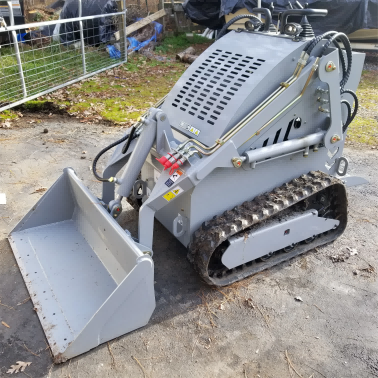
A mini skid steer is crucial for compact jobsites because it is able to run a variety of attachments and tools. For efficient earthmoving, it is important to have a compact equipment with a small footprint, zero tail swing, low ground pressure, and the ability to go indoors and access tight areas. This guide outlines some of the tools and attachments and how they help with earthmoving.
How a mini skid steer pairs with earthmoving attachments
The role of hydraulic flow and the auxiliary circuit
The loader powers every hydraulic tool through an auxiliary circuit fed by the pump. Hydraulic flow, measured in litres per minute, decides how fast an auger rotates or how hard a breaker strikes, and it is the same flow that drives mini skid steer attachments across digging, drilling and demolition. Flow that is too low leaves a tool sluggish, while flow above the rated limit overheats seals. Pressure, measured in bar, determines the force of the tool. Matching the rated flow and pressure of each attachment to the machine protects the coupler, hoses and motor from premature wear.
Universal coupler and quick-attach interface
A standard quick-attach plate allows one chassis to accept many tools without special adapters. The operator drives into the bracket, raises the coupler slightly and engages the latch, connects the hydraulic lines and he is ready to go. This modular interface is the reason one compact loader can do digging, drilling and demolition with different mini skid steer attachments in one shift. Before using a new attachment, the operator needs to check what mounting group and hydraulic pattern the attachment uses. Not doing so can result in a bent tool or damage the coupler and valve. He also needs to make sure the tool is engaged properly because if not then the tool can release while being used.
Buckets and grapples for moving and sorting soil
Skid steer bucket types for digging and grading
A skid steer bucket is the most used tool among mini skid steer attachments for moving loose soil, gravel and rubble. General-purpose buckets handle bulk material, while a dirt bucket with a sharper lip improves grading on firm ground. A low-profile bucket keeps the load close to the chassis for better stability on slopes, and a wider bucket covers more area per pass to raise productivity. The right bucket width also depends on gate width and trailer space, so transport limits shape the final choice as much as the task does.
Grapple and rake for clearing and sorting debris
A grapple or rake handles mixed material that a plain bucket cannot sort. Among mini skid steer attachments, the grapple solves mixed-material cleanup where brush, roots and rock mix with soil; it holds bulky items while fine dirt falls away, speeding site clearing. Root rakes comb through vegetation and leave usable fill behind. One landscaping crew faced a narrow backyard where a truck could not reach. They used a grapple on the mini skid steer to pull stumps and stack branches, then finished grading with a bucket. The job finished two days early, with less hand labor and lower operating cost than a rented excavator.
Auger and trencher for below-grade work
Auger for post holes and footings
An auger drills post holes, footings and tree wells with a helical flight on a rotating drive. Most mini skid steer attachments drill, but few reach the consistent depth of a dedicated earth auger with a heavy-duty drive that maintains speed in clay or rocky soil. Flight diameter and length set the hole size, while torque, not just flow, determines cutting performance. For fencing or deck footings, the auger keeps holes vertical and evenly spaced, which matters where codes such as ANSI and local building rules require consistent depth.
Trencher for utility and irrigation lines
A trencher cuts narrow, even channels for irrigation, electrical and data lines. Chain speed and digging depth are set by hydraulic flow, and a trench width around 100 to 150 mm suits most residential services. A trencher shows why mini skid steer attachments beat hand digging for long runs between the house and the street. OSHA trenching guidance reminds crews to slope or shore trenches deeper than about 1.2 m, so the machine digs the channel while separate shoring protects the worker. A trencher also reduces backfill and produces straighter lines than a bucket, saving time on long runs.
Hydraulic breaker and care advice
Hydraulic breaker for rock and concrete demolition
A hydraulic breaker turns the loader's flow into repeated impact for breaking rock, frost or concrete. The tool's blow energy depends on carrier stability and hydraulic pressure, so the compact chassis must sit firmly on its tracks or tires. Operating the breaker with the arm fully extended reduces impact transfer and stresses the boom; keeping it close to the ground protects the structure from fatigue. Where noise and vibration rules apply, EN and ISO guidance on mounted tools helps plan working hours and isolation on shared sites.
Choosing, inspecting and maintaining attachments
The basis for selection is the capacity of the rated flow, pressure and lift of the machine followed by the task at hand. Buy from a supplier that provides documentation on specs and spare parts, and inspect the coupler and pins, hoses, and cutting edges prior to each shift. Grease pivots daily and hydraulic lines, and avoid tool rust by keeping off the ground. Replace parts prior to failure. A consistent inspection and maintenance program reduces costs and extends service life.
Knowing the task and interaction of stability, couplers and hydraulic flow for mini skid steer attachments allows the user to utilize the right tool for the job. Knowing the rated flow, terrain and transport for each tool attached to the mini skid steer allows the contractor to maximize his earthmoving potential. Using the right tools for the job requires knowledge of machine interaction. With the right tools, and knowledge, and a care program, the contractor can safely and efficiently perform digging, drilling and demolition activities.
Frequently Asked Questions
Question
What are the most common attachments for daily earthmoving with a mini skid steer?
Answer: Buckets, augers, hydraulic breakers, grapples and trenchers cover the majority of earth moving tasks. A bucket can move and grade soil, an auger can drill holes and a breaker can fracture rock. A grapple can sort and remove debris and a trencher can cut narrow channels. Using the right attachment for the job keeps the machine productive and reduces the strain on the machine’s hydraulic system and undercarriage for daily use on a jobsite.
Question
What is the effect of hydraulic flow on attachment performance?
Answer: The hydraulic flow in liters per minute affects the rotational speed of an auger and the breaker’s strike rate. The hydraulic pressure affects the breaker’s force. Too little flow results in a sluggish tool and too much flow results in overheating seals and hoses. Make sure the machine’s rated flow and pressure is greater than the attachment’s requirements and the hose being used is the correct size to protect the auxiliary circuit. Use the correct hose size and thickness for the tool to ensure the auxiliary circuit is sufficiently sized and protected.
Question
Why is it important that the coupler is engaged properly prior to use?
Answer: The coupler is what locks the tool to the loader and provides the hydraulic flow to the tool. If the latch is not completely engaged, the tool can detach from the loader while in use and valves can be damaged. For safe operation of the loader and to avoid tool detachment, the operator should drive the tool into the locking position, slightly raise it and engage the latch and confirm hydraulic flow is connected before starting any earth moving task.
Question
When should hydraulic breakers be used in demolition?
Answer: When ground, rock or concrete is too hard for a bucket to fracture, then a hydraulic breaker is the best tool for the job. For noise and vibration control on shared sites, follow EN and ISO standards for mounted breakers and plan your work to meet local limits and consider the neighboring residents.
Question
What routine results in maximum equipment reliability?
Answer: Conduct a pre-shift inspection on all equipment, including greasing pivots, and checking lines and teeth. Store equipment off the ground and replace equipment before failure. This extends the life of equipment and reduces operating costs. This routine also reduces unexpected and unexpected repairs and makes the equipment ready to go for the next task.