
 EN
EN
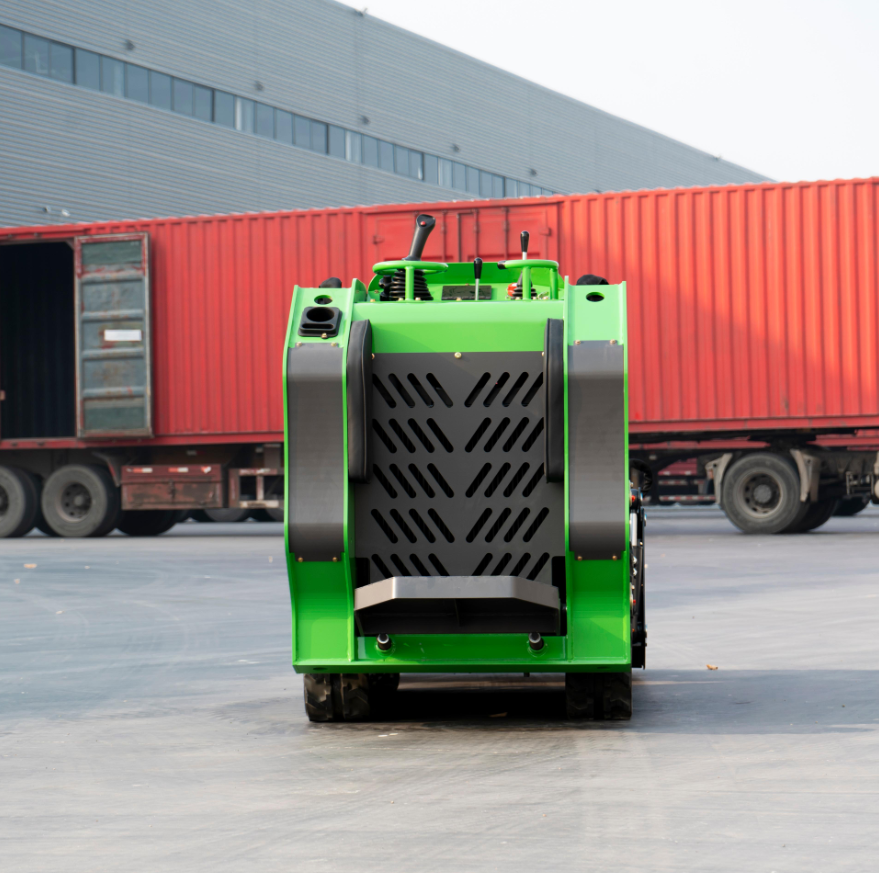
Optimizing Skid Steer Loader Operations for Lower Costs and Higher Reliability
For equipment managers and fleet operators, the skid steer loader is one of the most versatile tools on the jobsite. Its compact size and powerful hydraulic system make it indispensable for tasks ranging from material handling to demolition. However, the operating cost of this machine extends far beyond the initial purchase price. Fuel consumption, component wear, and unplanned downtime are significant expenses that can erode profitability. The most effective lever for controlling these costs is not a new machine or a software upgrade, but the skill of the operator. A well-trained operator treats the machine with precision, minimizing stress on the hydraulics, tracks, and engine. This translates directly into lower fuel bills, longer component life, and fewer interruptions to the workflow. Developing standardized training protocols, implementing data-informed maintenance, and proactive fuel and tire management are essential to maximizing the return on this investment.
The Link Between Operator Skill and Operational Costs
The way an operator handles a skid steer loader has a profound impact on the machine's long-term reliability. Aggressive throttle inputs, unnecessary idling, and rough movements all contribute to higher fuel consumption and accelerated wear. A skilled operator, by contrast, uses smooth, controlled motions that minimize stress on the hydraulic system, the tires, and the undercarriage. Proper load management is another critical aspect of skilled operation. Overloading the bucket forces the machine to work harder, straining the engine and drivetrain. An experienced operator ensures that the bucket is filled to its optimal capacity, and that the machine is never pushed beyond its rated operating limits. On machines equipped with load-sensing hydraulics, a skilled operator also understands how the system works. This knowledge allows the operator to use the machine efficiently, ensuring that the hydraulic system delivers only the power required for the task at hand. This prevents wasted energy and protects the components from overheating or overpressure.
Preventing Downtime Through Standardized Training
Unplanned downtime is one of the most costly events in the life of a skid steer loader. A machine that is sitting idle due to a broken track or a failed component is not generating revenue. Many of these failures are preventable through standardized training programs. One of the most common causes of downtime is track derailment, which often occurs when an operator turns too sharply on a high-traction surface or operates the machine at excessive speed. A structured training program teaches operators the correct turning techniques. For example, they learn to avoid skid-steering on hard surfaces like asphalt and concrete, and instead use three-point turns or gradual arcs to reduce lateral stress on the tracks. The program also emphasizes daily pre-operation inspections. A thorough walk-around before the start of every shift allows the operator to verify track tension, remove debris from the undercarriage, and check for hydraulic leaks. These simple checks can identify minor issues before they escalate into major failures.
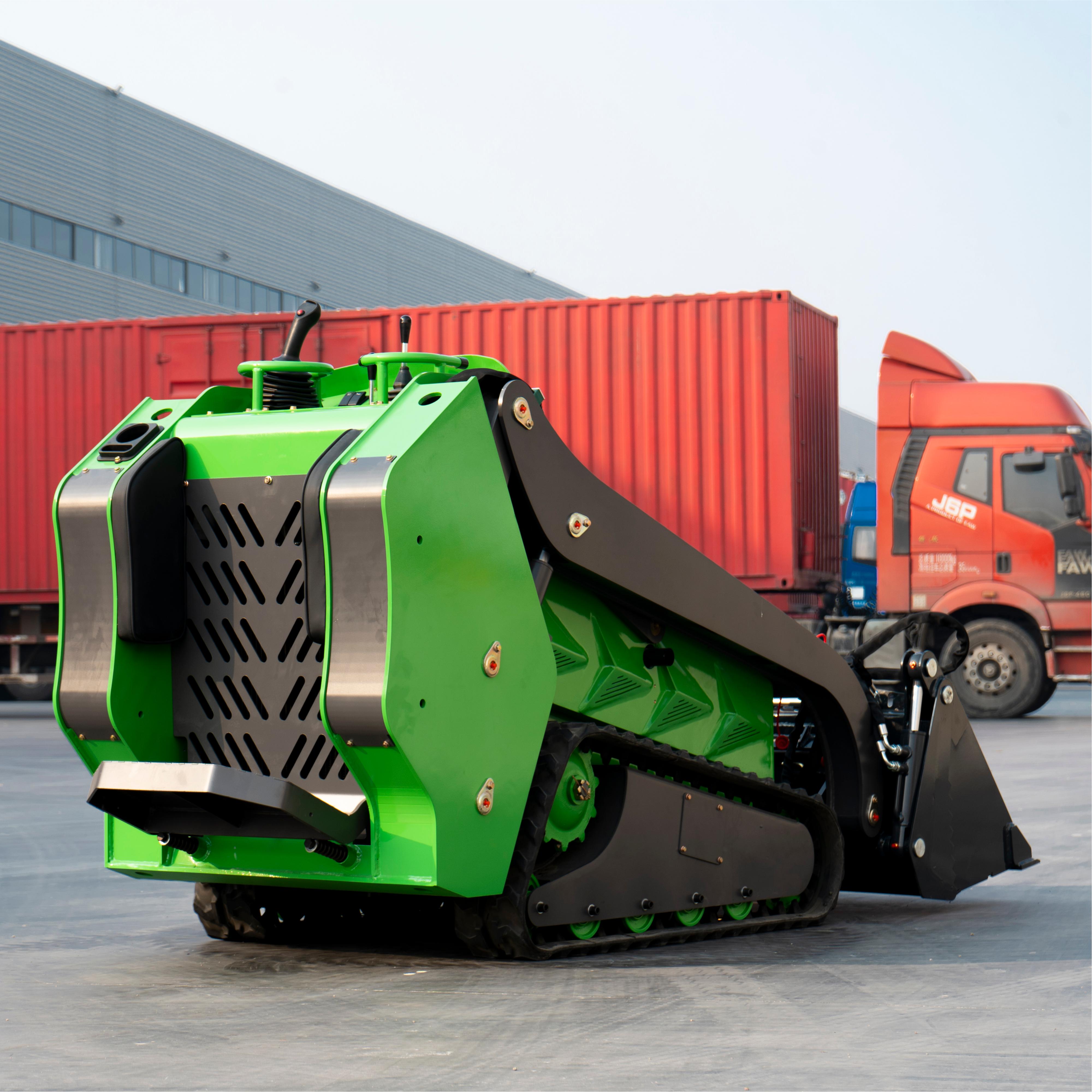
Using Data to Drive Preventive Maintenance
The traditional approach to maintenance is to follow a fixed schedule based on engine hours. However, this one-size-fits-all approach does not account for the vastly different operating conditions that a machine may encounter. A skid steer that works in abrasive demolition debris will require more frequent servicing than one that spends its days moving pallets on a clean asphalt surface. The modern solution is to use usage data to drive maintenance decisions. Telematics systems and onboard diagnostics now capture real-time data on duty cycles, hydraulic pressure, and idle time. This data allows fleet managers to replace oil, filters, and fluids based on actual need, rather than on an arbitrary schedule. This condition-based approach prevents both premature servicing, which wastes labor and materials, and delayed servicing, which risks catastrophic failure. Companies that have adopted this strategy report significant reductions in maintenance costs and unplanned downtime.
Daily Inspection Points: The Frontline of Defense
While data-driven maintenance is powerful, it does not replace the need for daily, physical inspections. The daily walk-around remains the frontline defense against breakdowns. Operators should be trained to check three critical areas at the start of every shift. The first is the filters. Engine air filters and cabin air filters are the machine's first line of protection. A clogged air filter can increase fuel consumption and starve the engine of clean air. Hydraulic and fuel filters should be inspected for contamination. Any visible dirt or discoloration is a clear signal for immediate replacement. The second critical area is the greasing zones. All pivot points, especially the loader arm pins, bucket linkage, and undercarriage rollers, must be lubricated on a strict schedule. Neglecting these points leads to metal-on-metal contact, which can destroy pins and bushings quickly. The third area is the undercarriage. Operators should make it a non-negotiable habit to clean the undercarriage daily, removing packed mud, rock, and debris that can cause hidden corrosion and accelerate sprocket wear.
Smart Fuel and Tire Management
Fuel consumption is the single largest operating expense for a skid steer loader, often accounting for a significant portion of the total hourly cost. Load-sensing hydraulic systems are an effective tool for managing this cost. These systems dynamically adjust the pump flow and pressure to match the actual work demand. This eliminates the energy waste that occurs when a fixed-displacement system circulates oil at full capacity, regardless of the load. In addition to the hydraulics, the operator can achieve further savings by matching the engine load to the task. Selecting an appropriate work mode, such as an "eco" mode for light tasks like site cleanup, can significantly reduce fuel use. Tire management is another area of significant cost savings. The fuel consumption of a skid steer loader is heavily influenced by the condition of its tires. Underinflated tires increase rolling resistance, which forces the engine to work harder. Daily pressure checks, using a calibrated gauge, are essential. The tire type must also be matched to the predominant terrain.
Managing Undercarriage Wear Proactively
The undercarriage of a skid steer loader is subjected to constant abrasion, high-impact loads, and relentless stress. It is one of the most expensive maintenance areas on the machine. A proactive approach to undercarriage management can sharply reduce costs and extend the life of the components. The most important practice is to monitor the track tension carefully. Tracks that are too tight will accelerate wear on the rollers, idlers, and sprockets. Tracks that are too loose increase the risk of derailment. The tension should be adjusted based on the surface conditions, with tighter tracks for hard ground and looser tracks for soft, muddy terrain. Regular cleaning of the undercarriage is also essential. Packed debris abrades the components and traps moisture, which leads to corrosion. Periodic alignment checks ensure that the rollers, idlers, and sprockets are all in proper alignment, which prevents uneven tread wear.
How Quality Design Supports Lower Operating Costs
The long-term operating cost of a skid steer loader is not determined solely by the operator. The design and manufacturing quality of the machine itself play a foundational role. A machine with a well-designed hydraulic system, easy access to maintenance points, and a robust undercarriage will be more reliable and easier to service. Manufacturers who adhere to recognized quality standards, such as ISO 9001, subject their machines to rigorous testing and use high-grade materials throughout the build. For a fleet manager who is investing in new equipment, partnering with a disciplined, quality-focused manufacturer provides the ultimate confidence that the machines will deliver consistent performance and low total cost of ownership for years to come.