
 EN
EN
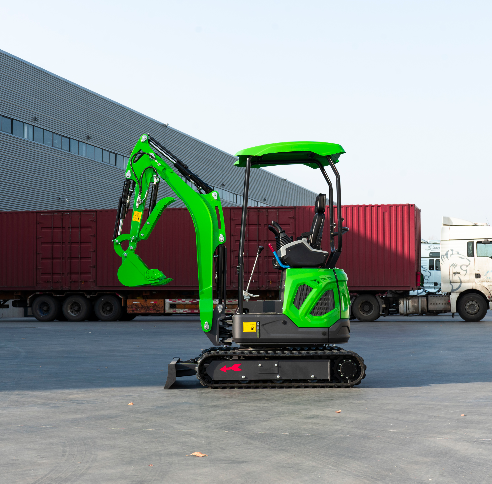
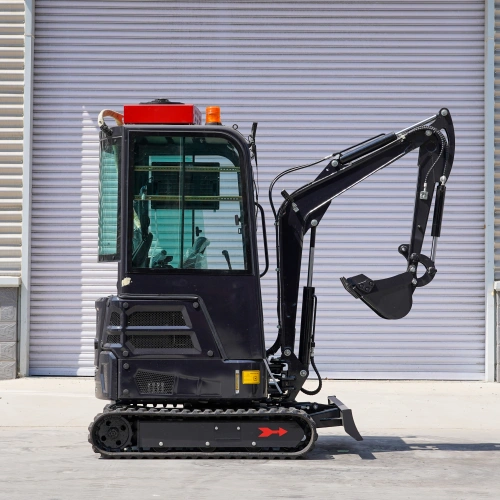
Në sektorët ultra-konkurrues të modernizimit të tokës, pastrimit të tokave rezidenciale dhe kontraktimit civil, zgjerimi i flotës së makinave pa shpenzuar kapitalin likuid është një veprim i vazhdueshëm balancues. Për firmat e ndërtimit që po zhvillohen dhe për operatorët e pavarur me pronësi, gjetja e një shovelë e Lirë duket të jetë shkurtesa më logjike për të rritur kapacitetin operacional duke mbajtur të ulëta detyrimet e borxhit në pjesën e parë.
Megjithatë, sektori global i tregtisë së makinerive është i mbushur me rreziqe transaksionale ku një çmim i ulët agresiv dhe i pavërtetuar shpesh vepron si një mbulues për inxhinierinë e prodhimit të kualitetit të ulët. Arritja e një kompromisi të fitueshëm midis kushtit të akuzimit dhe besueshmërisë mekanike të gjatë kohës kërkon të shikosh përtej estetikës siperfaqësore. Menaxherët e inteligjentë të blerjeve kuptojnë se një çmim më i ulët fillestar nuk duhet të arrihet kurrë duke bërë sakrifica sigurisë strukturore, të gjatësisë së jetës së pjesëve ose performancës hidraulike, pasi kostoja reale e një makine zbulohet gjatë ciklit të saj operacional aktiv.
Pikat Kritike të Diagnostikimit Hidraulik dhe të Sistemit të Fuqisë
Efikasiteti operacional i çdo ekskavatori të madh ose të vogël bazohet thelbësisht në harmonizimin e sistemit të fuqisë dhe qarkullimit hidraulik me presion të lartë. Në konfigurimet e pajisjeve të kualitetit të ulët, prodhuesit shpesh instalojnë pompa hidraulike të pakufizuara ose blloqe valve kontrolli të nivelit të ulët për të zvogëluar shpenzimet e menjëhershme të prodhimit.
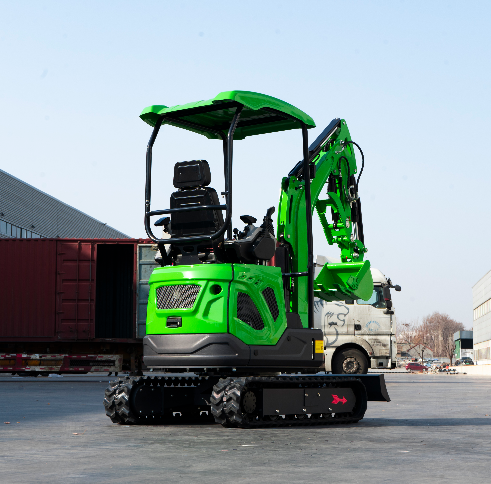
Mekanikët e eksperientë të flotave dinë se vlerësimi i një shtimi potencial kërkon analizimin e performancës së sistemit në konfigurimet me ngarkesë të vazhdueshme. Një sistem hidraulik i ulët cilësie tregon vonime të dukshme gjatë lëvizjeve të shumëfunkshionale njëkohore, si p.sh. kombinimi i lëvizjes së ngjitjes së brazdharës me mbushjen e plotë të koshit. Këto pengesa të brendshme të rrjedhës shkaktojnë nxehtësim të shpejtë të lëngut hidraulik, duke çuar në degradim të hershëm të fllusave, rënie të presionit brendësor dhe kohë cikli të ngadaltë. Kur zgjidhet një njësi me buxhet të kufizuar, përputhja e verifikuar midis karakteristikës së daljes së motorit diesel dhe rrjedhës së zhvendosjes së pompës kryesore hidraulike është defensa teknike kryesore kundër marrjes së një aktivi të paefikas dhe me kërkesa të larta për mirëmbajtje.
Vlerësimi i Integritetit të Ngjitjeve Strukturore dhe i Proceseve të Treguesve të Stresit
Përtej diagnostikimit të sistemit të fuqisë nënshtruese, montimi i çelikut strukturorel i shkallës, krahut dhe pjesëve të zëvendësueshme të bazës formon bazën fizike të investimit. Aplikimet e rënda të lëvizjes së tokës subjektojnë këto komponentë të rëndësishëm në një torsion të vazhdueshëm dhe goditje të ashpra me ndikim të madh. Sipas udhëzimeve standarde të prodhimit të vendosura nga organet ndërkombëtare mbikëqyrëse si ISO , lidhjet e forta strukturore duhet të përdorin plaka të çelikut të ligjirave të larta bashkë me procesimin e saktë të qëllimit për heqjen e stresit për të eliminuar pikat e brendshme të lodhjes mikrostrukturore.
| Vektori i Vlerësimit Teknik të Makinës | Njësitë e ulëta të nivelit të ulët | Platformat e buxhetit me inxhinierë të lartë |
| Valvulat Kryesore Hydraulike Kontrolli | Blloqe të zakonshme të paemëruara, jo të kompensuara | Valvula të kompensuara me ndjeshmëri për ngarkesën me shumë shpina |
| Prodhimi i Shkallës Strukturore | Çelik karbon i lehtë, ngjitje manuale | Çelik mangan me rezistencë të lartë, montim me robot SMT |
| Dizajn i rrotullimit me gurë drejtues dhe bushing | Mbrështje standarde hekuri që kërkojnë ngrejtim të përditshëm me vaj | Mbrështje të hardhuara me krom të lartë, me grafit të integruar |
| Kërkesat e Testimit në Fabrikë | Verifikim i thjeshtë i nisjes së motorit pa ngarkesë | Inspektim i parazgjedhjes (PDI) i thellë, i vazhduar për më shumë se 8 orë në presion të lartë |
Alternativat e nënstandarde rrethojnë rregullisht protokollet e kryerjes automatike të lidhjeve me robotë, duke zgjedhur kryerje manuale të papërshtatshme që lënë përfshirje të brendshme të slag-ut dhe lidhje rrënjësh të paqelësuar të fshehura nën shtresa të trasha boje industriale. Pas disa qindra orësh pune intensive me thyerje të rëndë ose gërmime të thella, këto skurtërime të fshehta në prodhim shfaqen si mikro-tharje strukturore përgjatë vijave kryesore të përhapjes së tensionit. Sigurimi që korniza përdor kastingje të thella prej çeliku të precizisur në përkuljet kritike të boshtit parandalon dështimin strukturor dhe shmang pushimet katastrofike në terren.
Një Kornizë Praktike për Inspektimin Para Dorëzimit për Importuesit
Navigimi i blerjes kufitare të makinerive kërkon një strukturë transparente dhe të bazuar në të dhëna për inspektimin, që të sigurojë se një strukturë e atraktivë e çmimit mbështetet nga inxhinieria fizike e fortë. Të mbështetur në broshurë digjitale të shkëlqyeshme është një rrezik operacional i madh; menaxherët e blerjes duhet të kërkojnë të dhëna të plota të testimeve në fabrikë dhe listë kontrolli të hollësishme të vërtetimit të harduerit para se të miratojnë transferimet finale maritime të parave.
Duke përqendruar përpjekjet e inspektimit në këto specifikime të caktuara të harduerit fizik, blerësit ndërkombëtarë mund të zbulonin lehtësisht kthimet strukturore të këndshme. Kontrollimi i detajeve si përfshirja e mbylljeve prej poliuretani rezistente ndaj pluhurit në lidhjet e koshit, shkalla e rezistencës së ujit të harnessit qendror të telave elektrike dhe trashësia e murit të linjave kryesore hidraulike të çelikut me presion të lartë lejon blerësit të filtrojnë shpejt njësitë të pasigurta, duke siguruar që flota akuzon një aktiv të qëndrueshëm.
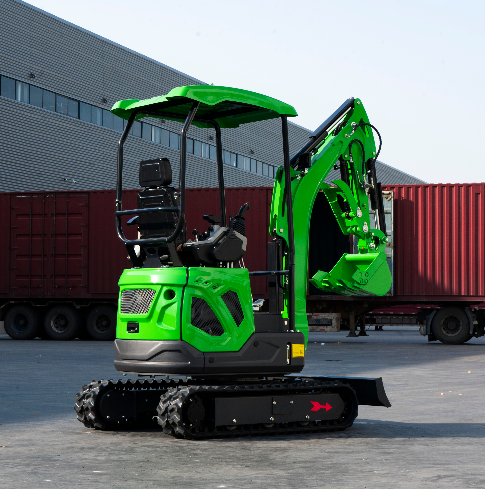
Maksimizimi i ROI-së së jetëgjatësisë së flotës dhe i vlerës së pajisjeve të mbetura
Nga një perspektivë financiare korporative e ftohtë, vlerësimi i një strategjie për blerjen e pajisjeve duhet të lidhë gjithmonë me një analizë të hollësishme të Kostos Totale të Pronësisë (TCO). Marrja e një platforme me inxhinieri të dobët mund të duket si një fitim financiar i menjëhershëm në bilanc, por mbledhja e shpejtë e faturave të pjesëve zëvendësuese të shtrenjta, ndërprerjet e skedarit të projektit dhe frustrimi i vazhdueshëm i operatorëve do të shndërrojnë shpejt atë pasurinë e sipërfaqesore në një detyrim të madh.
Zgjedhja e një zgjidhjeje premium, por të kujdesur për buxhetin, për punët e zhvendosjes së tokës ruan një vijë të vlerës së pasurisë kapitale shumë të parashikueshme dhe të favorshme. Pjesët mekanike të besueshme sigurojnë që pajisja mbetet në veprim vazhdimisht në projekte të shumta, duke rikuperuar në mënyrë të qëndrueshme investimin fillestar. Më tej, kur vjen koha për të përditësuar flotën, një makineri e mirëmbajtur dhe me strukturë të fortë ruan një vlerë reziduale të lartë në tregun ndërkombëtar sekondar të pajisjeve të përdorura, duke lejuar pronarët e flotave të likuidojnë lehtësisht këtë pasuri dhe të rikuperojnë kapital të konsiderueshëm për përditësime teknologjike të ardhshme.
Përpunimi i Parë i Makinerive të Avancuara dhe Furnizimi i Infrastrukturës Globale
Dorëzimi me sukses i pajisjeve inxhinierike shumë të besueshme dhe të lira në tregun ndërkombëtar të ndërtimit kërkon një prodhues që i jep prioritet inxhinierisë së saktë, parafabrikimit automatik të strukturave dhe protokolleve të forta të kontrollit të cilësisë. Nuoman ka vendosur një reputacion ndërkombëtar të jashtëzakonshëm duke vepruar si një paragjysh i parë në këtë sektor të makinave të vogla dhe mesatare me performancë të lartë. Duke specializuar në dizajnimin, fabricimin robotik dhe montimin e plotë të mini-shovelave shumë efikase, njësive bujqësore me rrotullim dhe matricave të veçanta të pjesëve të lidhura, instalimet e avancuara prodhuese në Nuoman përdorin komplekset e avancuara të gatimit me CNC me shumë boshte, rrjetet automatizuare të ngjitjes strukturore me robotë dhe diagnozat e përgjithshme hidraulike me sensorë të ngarkesës për të garantuar që çdo pajisje i përshtatet standardeve ndërkombëtare të rrepta operative.
Mbështetur nga një rrjet global i inxhinierisë dhe i furnizimit të përpunuar jashtëzakonisht i thjeshtë dhe mirë i integruar, Nuoman ofron dispozitë për shitje ndërkombëtare, firma të ndërtimit komercial, dhe kompani rajonale që rentojnë pajisje, me zgjidhje të përshtatura OEM/ODM, validim rigoroz PDI para nisjes së transportit dhe plotësim logjistik detar të besueshëm dhe shumë të shpejtë. Kjo fokusim institucional në ofrimin e qëndrueshmërisë pa kompromis në një pikë çmimi optimizuar siguron që kur një makineri arrin në një vend të largët punë, ajo është plotësisht optimizuar për përdorim menjëherë, projektuar për të qëndruar në ambientet më të vështira të lëvizjes së tokës dhe optimizuar strukturorisht për të gjeneruar fitimshmëri operative maksimale gjatë tërë karrierës së saj shërbyese.
Tabela e Lëndës
- Pikat Kritike të Diagnostikimit Hidraulik dhe të Sistemit të Fuqisë
- Vlerësimi i Integritetit të Ngjitjeve Strukturore dhe i Proceseve të Treguesve të Stresit
- Një Kornizë Praktike për Inspektimin Para Dorëzimit për Importuesit
- Maksimizimi i ROI-së së jetëgjatësisë së flotës dhe i vlerës së pajisjeve të mbetura
- Përpunimi i Parë i Makinerive të Avancuara dhe Furnizimi i Infrastrukturës Globale