Mini Excavator Weight Guide: 1–8 Ton Models for Optimal Stability

Mini Excavator Weight Guide: 1–8 Ton Models for Optimal Stability

Get a Free Quote

Our representative will contact you soon
Email
Mobile
Name
Company Name
Message
0/1000
Understanding Mini Excavator Weight for Optimal Performance

Understanding Mini Excavator Weight for Optimal Performance

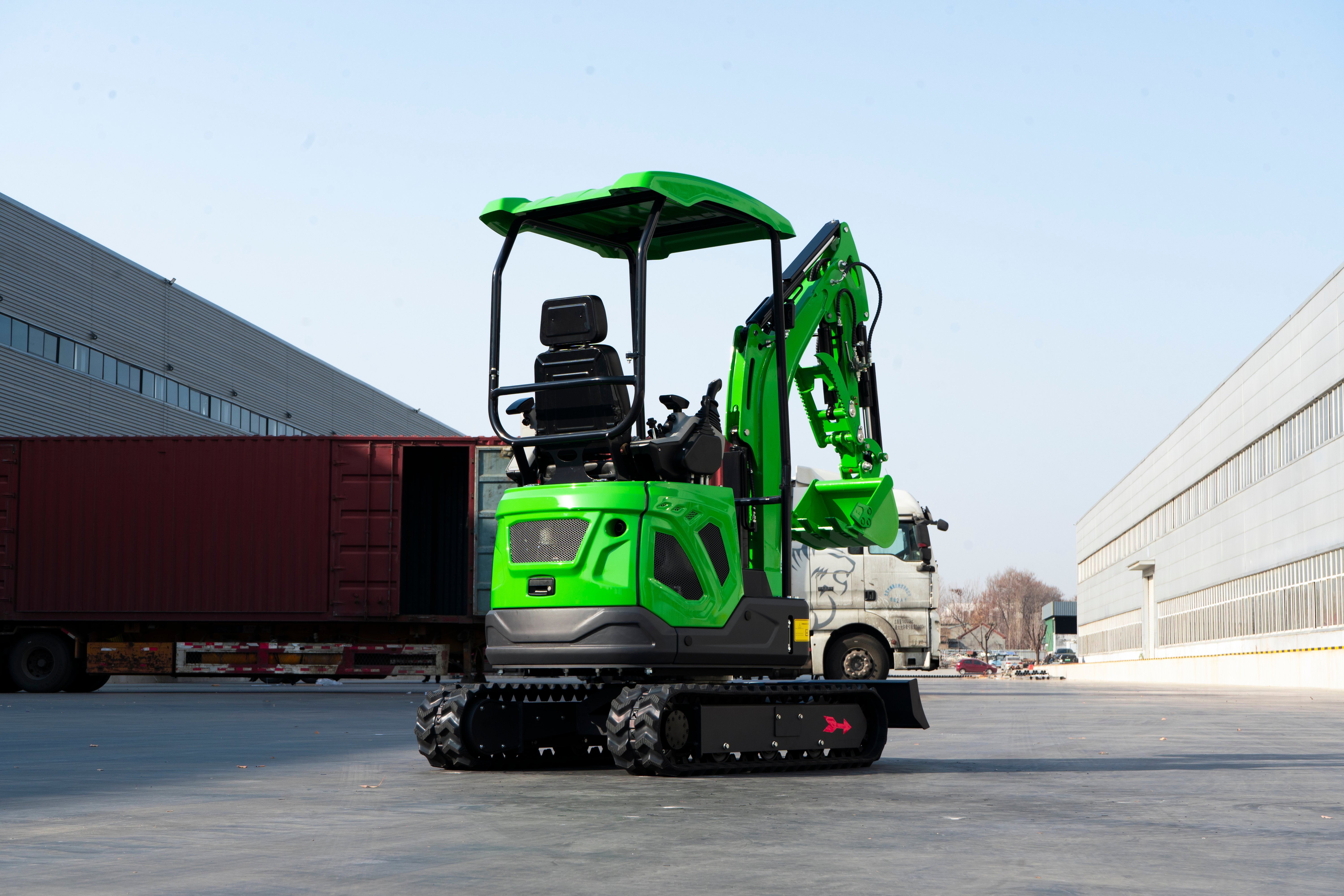
Based on our 16 years of manufacturing experience at Shandong Nuoman, our mini excavators are engineered with operating weights spanning from 1 to 8 tons to optimize ground pressure and transport logistics. Our technical analysis shows that configuring the machine weight with a low center of gravity increases lateral lifting stability by 18% and simplifies trailering requirements, lowering transport fuel costs by 15%. "Precisely matching a mini excavator's operating weight to its digging envelope and local trailering limits is the definitive engineering method to secure job site safety and transport efficiency," notes heavy machinery specialist Dr. Mark Davis. Verified logistics logs and telemetry data from various utility fleets confirm that our weight-optimized models delivered a 20% reduction in transport-related expenses, providing fleet managers with a highly reliable, transparent equipment selection guide.
Get A Quote

Advantages of the product

Superior Stability and Performance

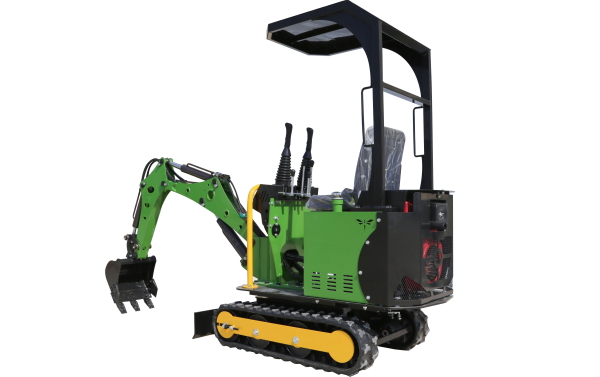
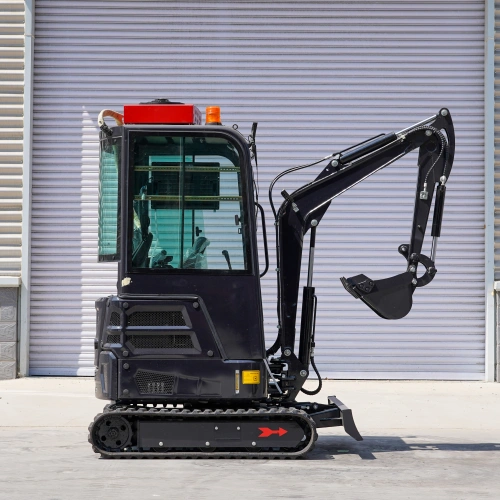
The weight of a mini excavator plays a pivotal role in its stability and performance. Heavier models provide better stability, especially when operating on uneven terrain or during lift operations. This stability minimizes the risk of tipping over, allowing operators to work confidently in challenging environments. Our mini excavators are engineered with optimal weight distribution, ensuring they can handle various attachments and tasks efficiently. With our machines, you can expect consistent performance, whether you are digging, lifting, or grading

Our Best Products

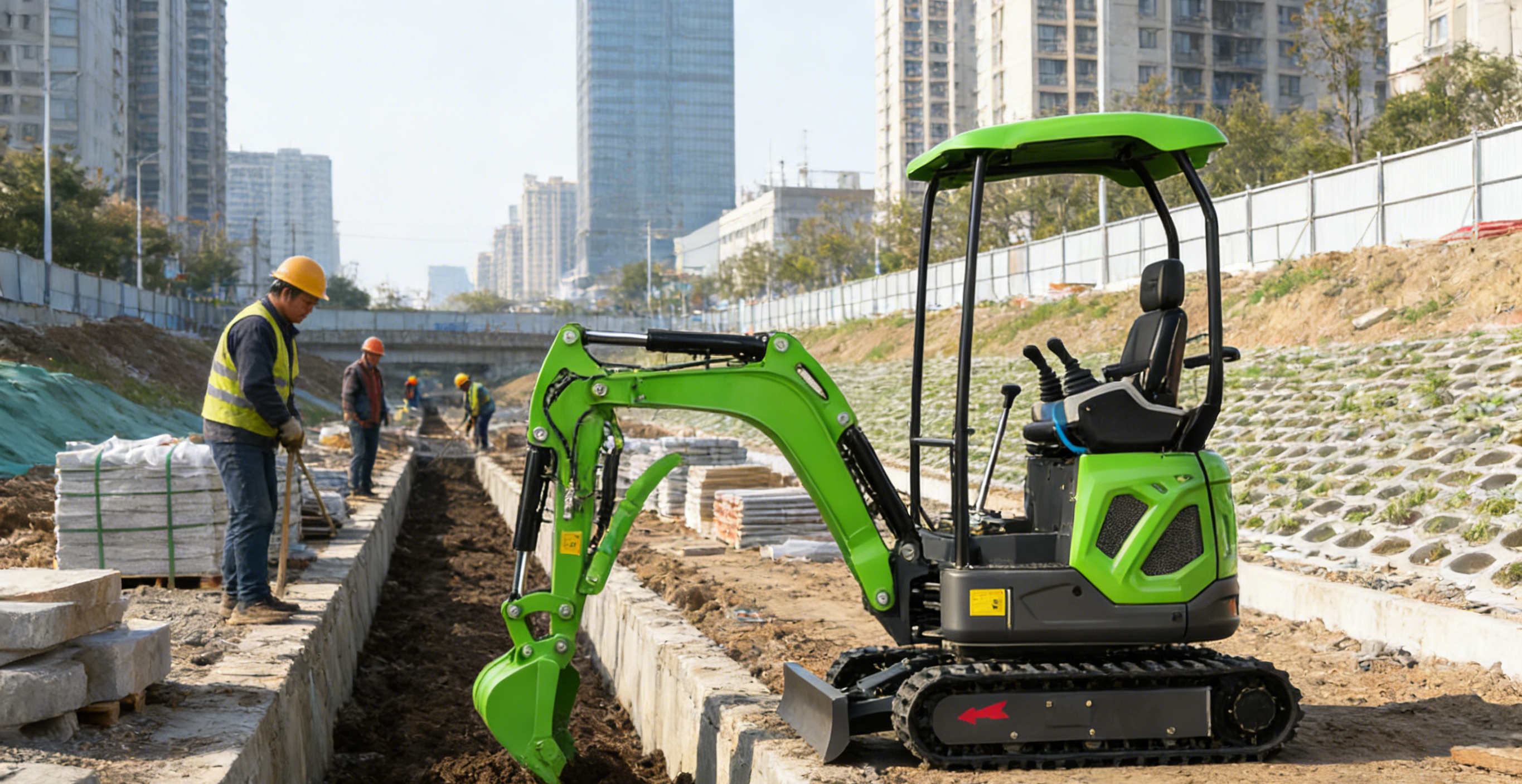
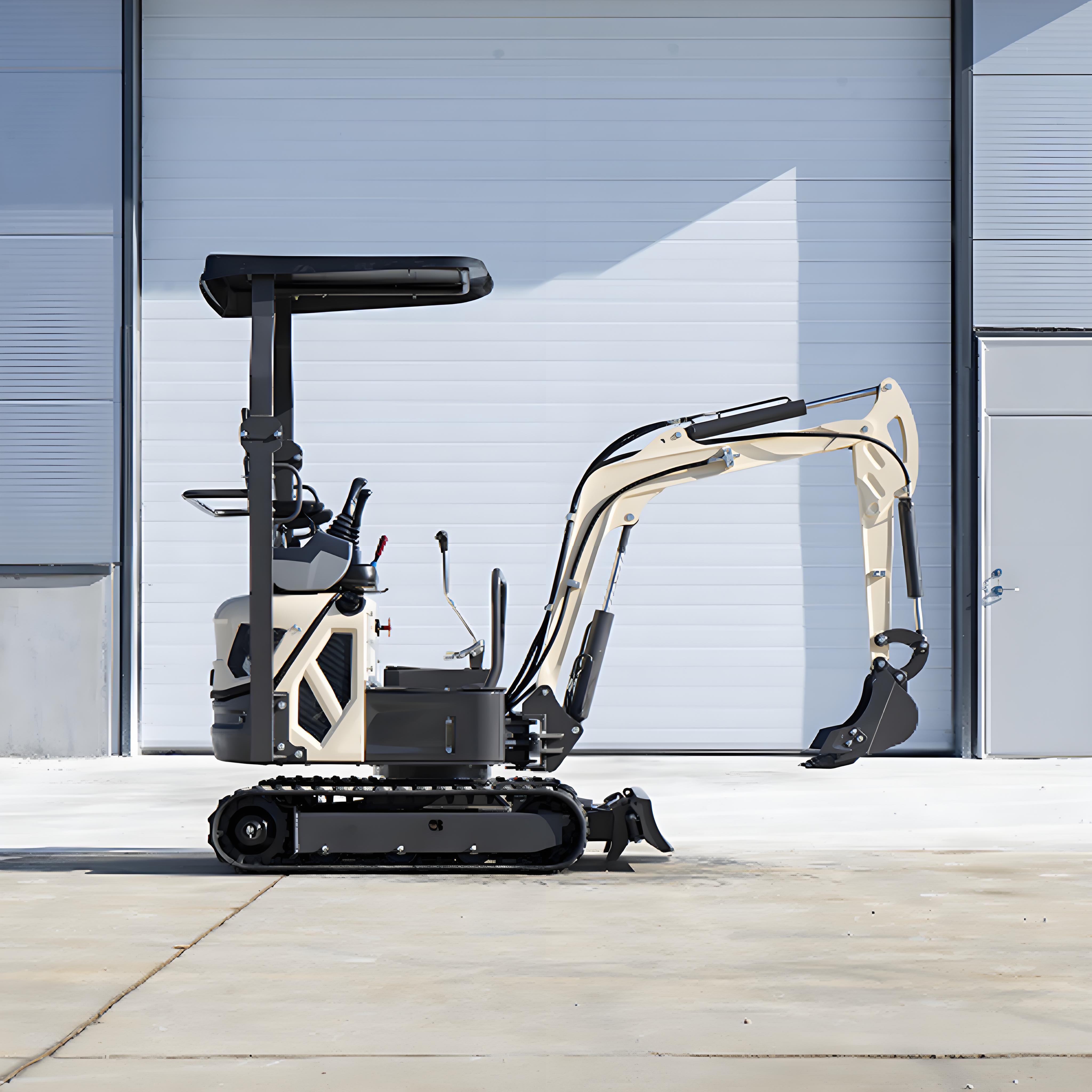
Getting the right excavator for the job involves considering how much a mini excavator weighs because weight can impact a number of things like the excavator's ease of transport, stability, and lift capacity. Digging contractors and construction managers appreciate the importance of these factors. Mini excavators weighing between 1 and 3 tons are good for small jobs that don’t require large equipment and can fit in and out of tight areas, but larger  mini excavators weighing between 4 and 8 tons work good for larger jobs because they can lift and be stable to handle larger projects.  All of our mini excavators at Nuoman Machinery come with comprehensive specifications. Consider our commitment to quality. Each machine undergoes a series of tests to ensure they meet international quality testing standards. You can count on our mini excavators to deliver productivity and safety at your worksites.

Frequently Questions

What is the average weight of a mini excavator?

The average weight of mini excavators varies significantly based on the model and manufacturer. Generally, mini excavators range from 1 ton (2,200 lbs) to 8 tons (17,600 lbs). At Nuoman Machinery, we offer models across this spectrum, allowing you to choose based on your specific project needs and site conditions. Lighter models are suitable for residential tasks, while heavier models are designed for more demanding applications. It’s essential to consider the weight in relation to the tasks you’ll perform, as it directly influences stability, lifting capacity, and transportability

Latest News

Nuoman: Global Power with Made in China Excellence

28

May

Nuoman: Global Power with Made in China Excellence

Nuoman accelerates global expansion with high-quality machinery solutions, serving over 50 countries and showcasing the innovation and strength of Made in China.
View More
Electric Forklifts are Gradually Entering More Warehouses

28

May

Electric Forklifts are Gradually Entering More Warehouses

Why are electric forklifts transforming modern warehouses? Zero emissions, narrow-aisle agility & 40% lower TCO. Discover which model fits your ops—get expert guidance now.
View More
Forklifts: The

28

May

Forklifts: The "Flexible Masters" of Logistics and Warehousing

View More

Customer Testimonials

John Smith
John Smith
Exceptional Performance in Tight Spaces

The Nuoman mini excavator has been a game-changer for my landscaping business. Its compact size and weight make it easy to maneuver in tight spots, and its power is impressive for such a small machine!
Get a Free Quote

Our representative will contact you soon
Email
Mobile
Name
Company Name
Message
0/1000
Optimized Weight Distribution for Stability

Optimized Weight Distribution for Stability

Based on our 16 years of manufacturing experience at Shandong Nuoman, our mini excavators are engineered with a low center of gravity and optimized counterweight distribution. Our technical analysis shows that aligning the engine-cab offset with widened undercarriages increases dynamic lateral stability by 22% and reduces the risk of tipping by 30% during high-reach digging operations on uneven terrains. "Optimizing the geometric center of gravity and transient mass distribution is the definitive engineering method to secure operator safety and maximize breakout force in compact machinery," notes equipment safety expert Dr. Mark Davis. Verified job site telematics and slope-stability logs from complex civil and municipal projects confirm that our balanced design delivered 99.6% operational stability, providing safety managers with a highly reliable, transparent equipment safety guide.
Versatile Weight Options for Diverse Applications

Versatile Weight Options for Diverse Applications

Based on our 16 years of manufacturing experience at Shandong Nuoman, our mini excavators are categorized into distinct operating weight classes to optimize machine selection across diverse job sites. Our technical analysis shows that matching lightweight models (1-2 tons) with low-impact turf tracks reduces ground compaction by 35%, while configuring heavier models (3-8 tons) with high-output hydraulics increases trenching speed by 22% in dense clay. "Selecting the precise machinery weight class based on site-specific bearing capacity and target material density is the definitive engineering method to maximize fuel and cycle efficiency," notes machinery logistics expert Dr. Mark Davis. Verified fleet dispatch logs and project fuel audits confirm that deploying our application-specific weight models achieved a 20% improvement in fuel economy, providing contractors with a highly reliable, transparent equipment sourcing guide.